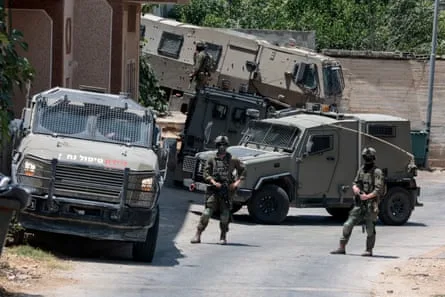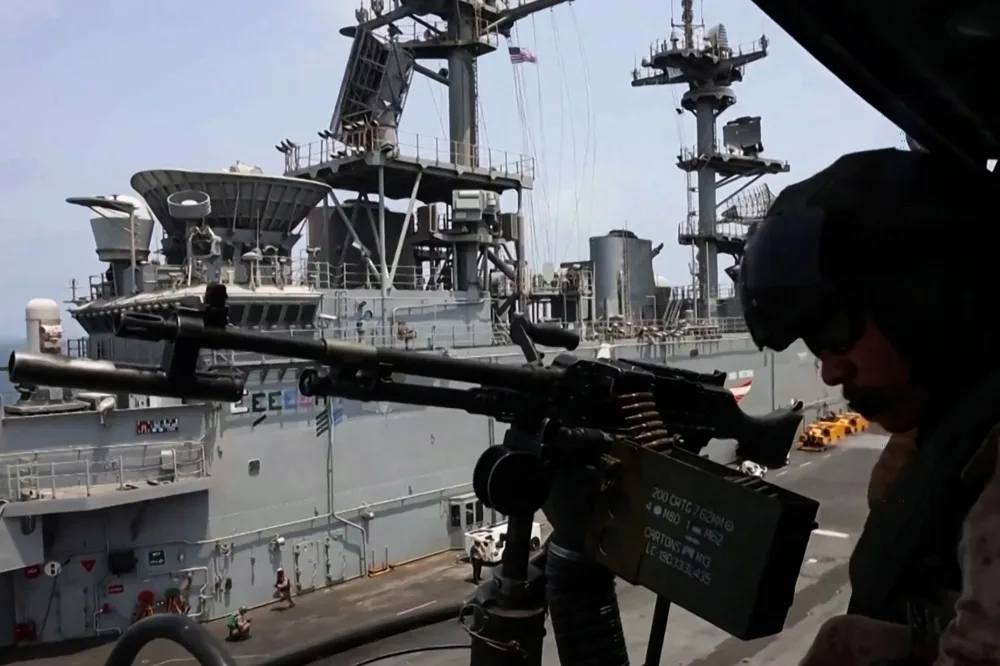
The US Central Command paused airstrikes on Iran after conducting 13 consecutive nights of attacks targeting Iran’s ability to hit commercial shipping in the Strait of Hormuz since late February 2026 [1, 2, 3]. The pause began around July 24–25, with US military officials advising President Donald Trump to halt bombing due to falling munitions stockpiles and tactical limits [2, 4, 5, 3]. Trump confirmed a third day of the pause by July 27 while stating that "all options remain on the table" and warning of "much higher level" strikes if Iran refuses to make a deal [6, 7, 4, 3].
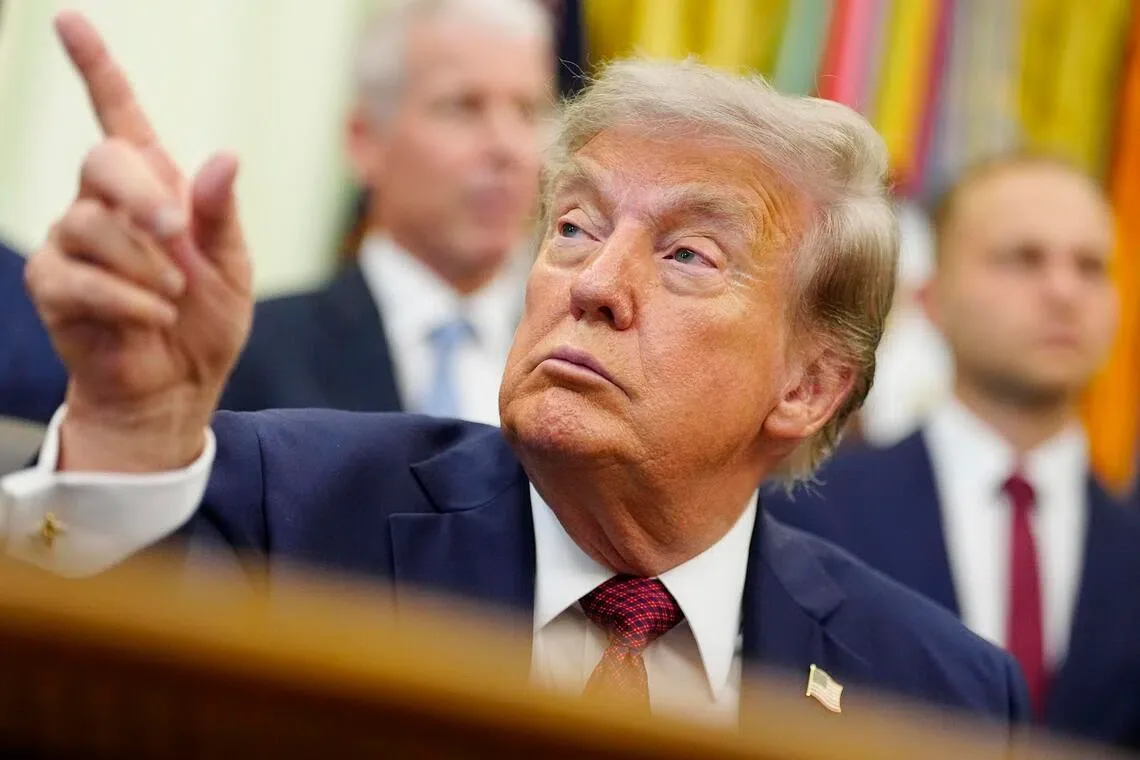
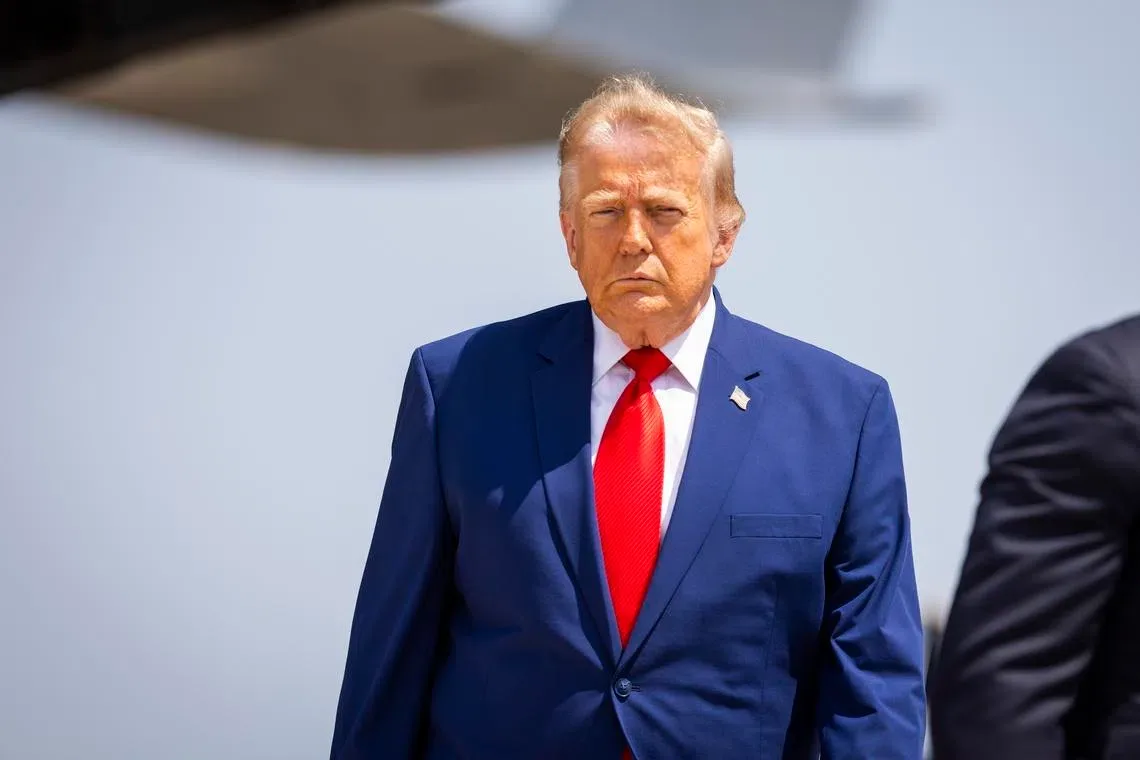
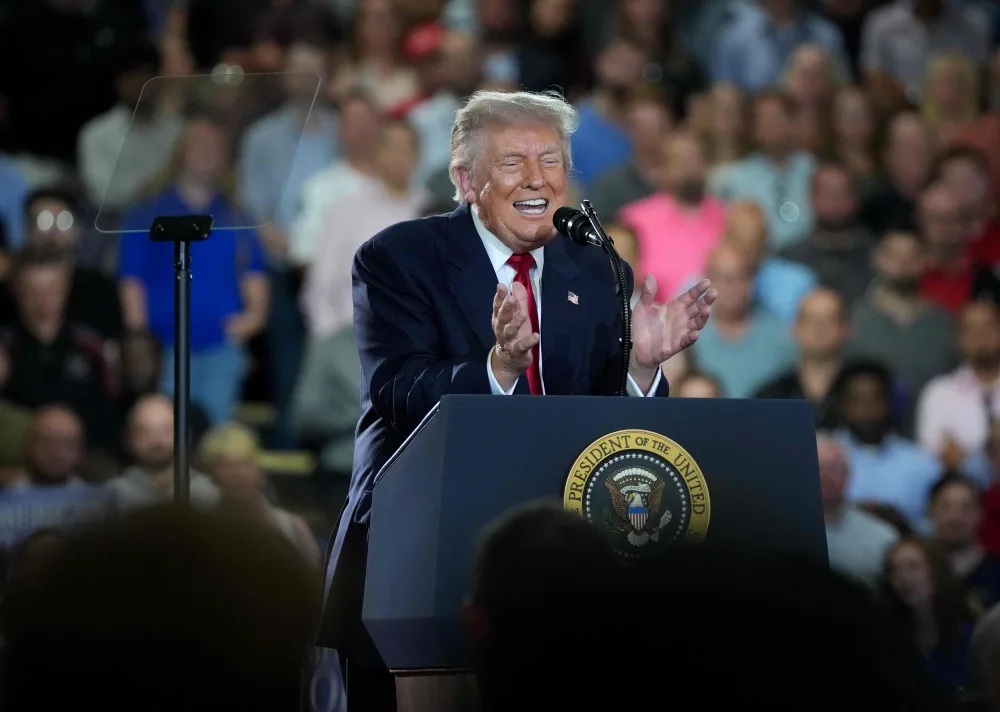
President Trump is considering a massive military strike on Iran, potentially larger than previous operations, but had not made a final decision as of late July 2026 [1, 6, 8, 9, 7, 10]. He said on July 23, "I am considering a massive attack. Bigger than ever before. I am close to making a decision. We are all set for it" [9]. On July 24, Trump said he had not yet decided and remains engaged in talks with Iran, adding, "I think they’re getting more and more serious as the days go by" [6]. Despite intelligence reports suggesting otherwise, Trump asserted he trusts Russia and China not to arm Iran, quoting their leaders as assuring non-involvement [1, 6, 8, 7].
Iran has retaliated against US military bases in Bahrain, Kuwait, Jordan, and other regional locations, causing the deaths of four US service members [1, 6, 8, 7]. Iranian forces and Iran-backed Houthi rebels in Yemen have also attacked Saudi oil facilities and tankers, extending the regional conflict [1, 9, 4, 5]. Iran's army spokesperson Mohammad Akraminia said that US attacks continued until two nights before the pause but that both sides had since stopped retaliatory operations [3].
US officials, including Admiral Bradley Cooper, have said the current US campaign has reached its limits without escalating to major combat inside Iran [2]. US Ambassador to the UN Mike Waltz said the military has all necessary resources to conduct the campaign effectively, signaling readiness for further options if ordered [3].
Diplomatic efforts continue amid the conflict. Trump remains optimistic about reaching an agreement, stating on July 28, "I have a lot of patience... I think there is a good chance that something could happen" [11]. However, Iran denies engaging in direct negotiations with the US [11], while US officials insist talks or mediated contacts are ongoing [2, 3, 11].
Israeli Prime Minister Benjamin Netanyahu is scheduled to visit the White House on July 28 to push for ongoing US military pressure on Iran [1, 2, 9, 3].
The conflict has caused global oil prices, including Brent crude, to briefly exceed $100 per barrel before easing slightly during the bombing pause [1, 3]. As of now, around $2 billion in Iranian funds remain blocked under US control [1].
The Biden administration and allied governments are watching closely as Trump weighs whether to authorize a larger strike, while diplomatic channels remain open with no confirmed breakthrough. The US is expected to announce any final military decisions soon.