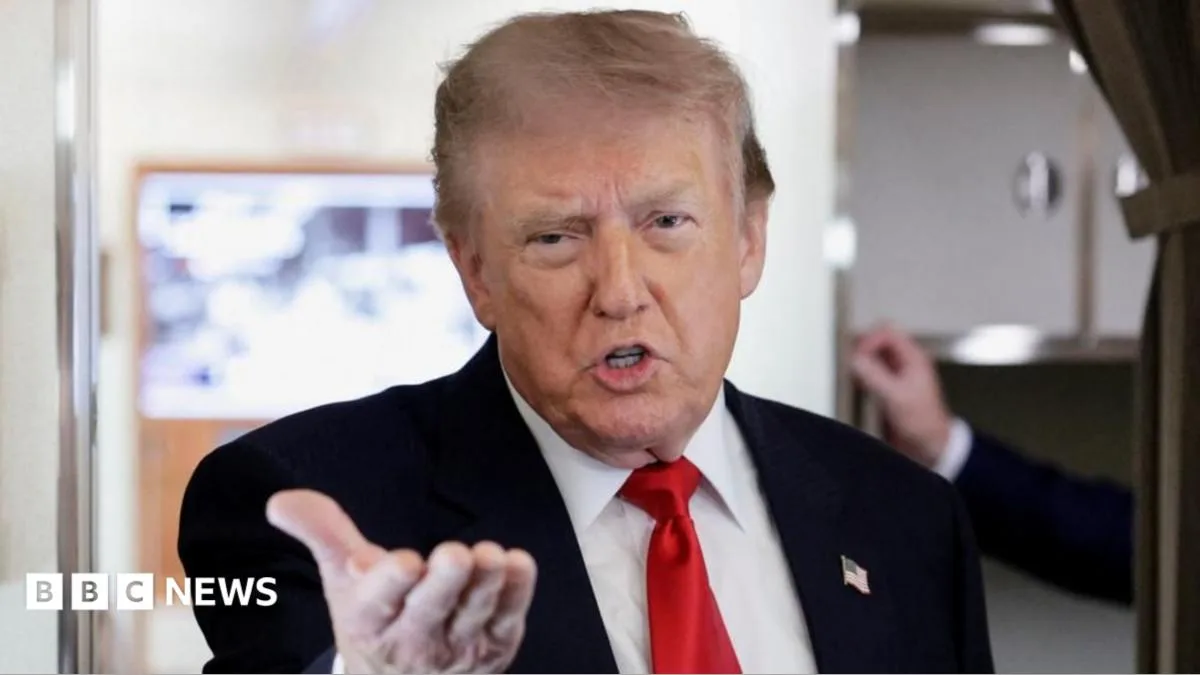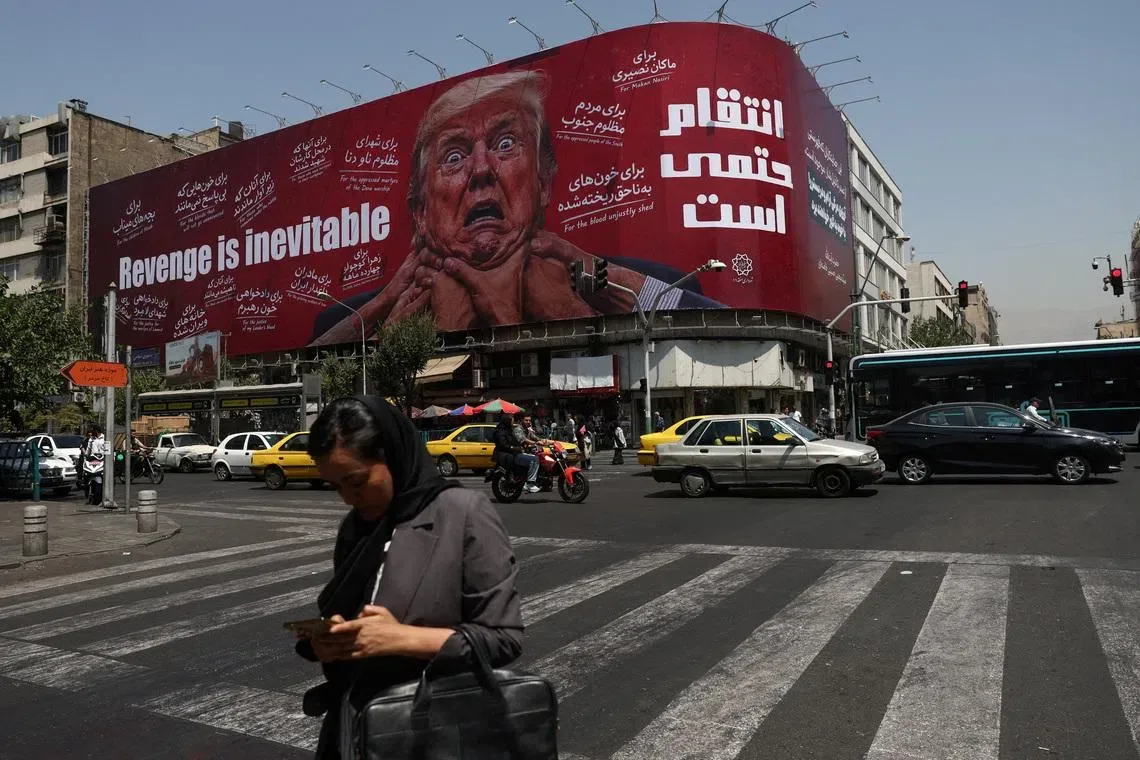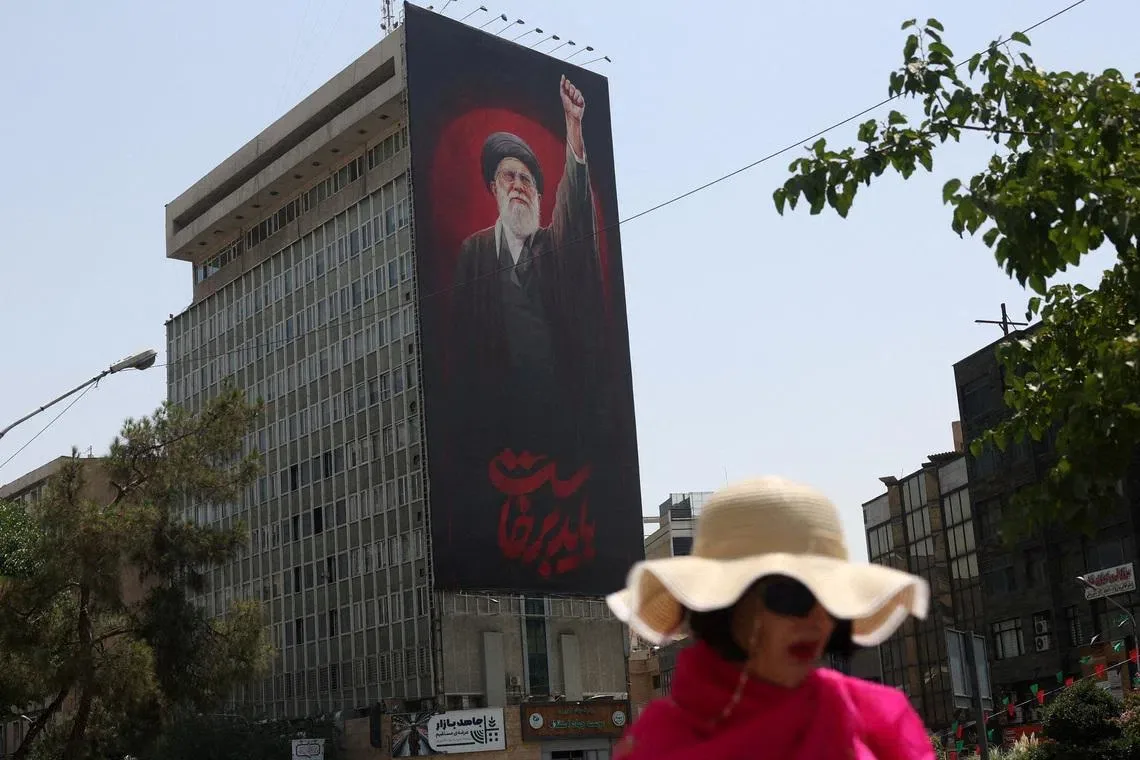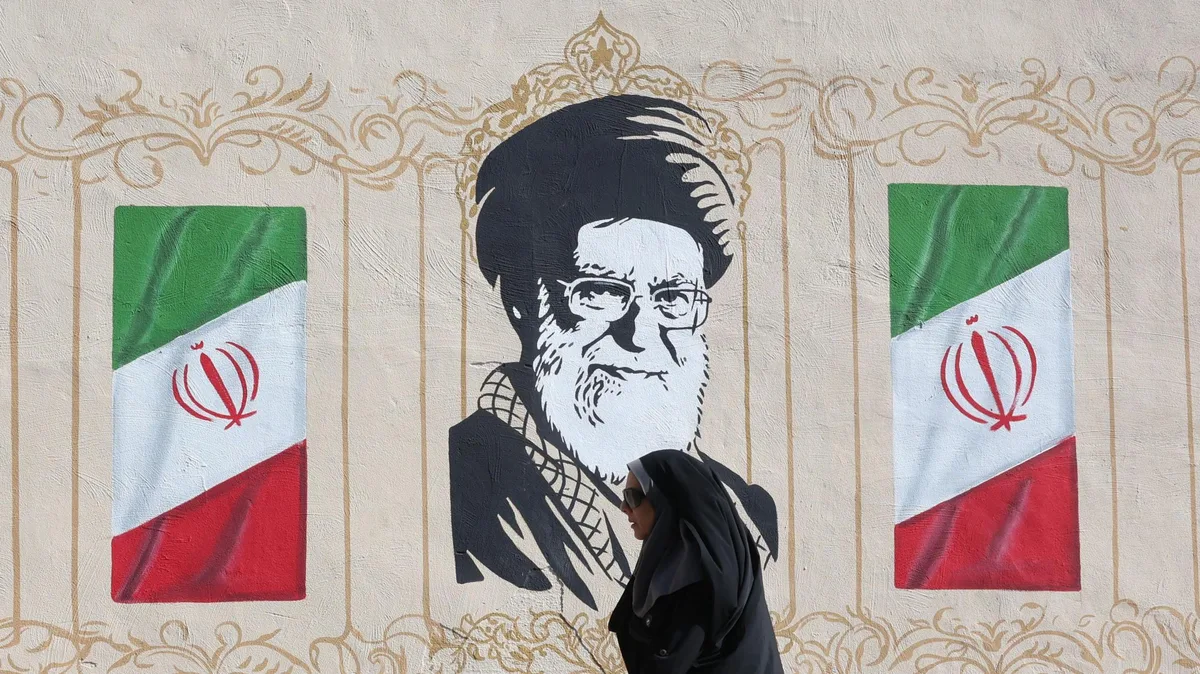
US President Donald Trump paused airstrikes against Iran on July 24 following 13 consecutive nights of attacks, signaling a temporary halt in direct military confrontations [1, 2, 3, 4, 5]. Iran reciprocated by halting retaliatory strikes, conditional on the US maintaining its pause [1, 2, 3, 4]. Trump expressed cautious optimism about negotiations, saying, "I think there's a good chance that something could happen," though Iran denied any direct talks were currently underway, with spokesman Esmail Baghaei stating, "At present, we are not engaged in any negotiations with the United States" [s1,s4,s6;s1;s6].
US Ambassador to the UN Mike Waltz said Trump was giving diplomacy "a little bit of room" by pausing attacks to allow talks more time [6, 2, 3, 4]. However, senior US military officials, including General Dan Caine, warned that resuming major combat could dangerously deplete munitions and air defenses; some stockpiles, like Patriot missile interceptors, are dwindling [1, 2, 3, 5]. Trump nevertheless said US munitions remain abundant, claiming, "We have a lot of ammunition... more than we could ever use no matter what" [1, 7].
Despite the pause, violence flared in the region days later. Iran launched ballistic missile attacks on US forces in Jordan on July 28-29 [8, 9, 10]. The US and Saudi Arabia responded with joint strikes on July 29-30 targeting Iran-backed militias in Iraq, killing at least 20 fighters and six Iranian advisers, and striking Revolutionary Guard targets inside Iran itself [9, 10]. Saudi Arabia had intercepted Iranian drones targeting its oil facilities July 27, with Yemen’s Iran-backed Houthi rebels claiming responsibility for drone attacks the same day [7].
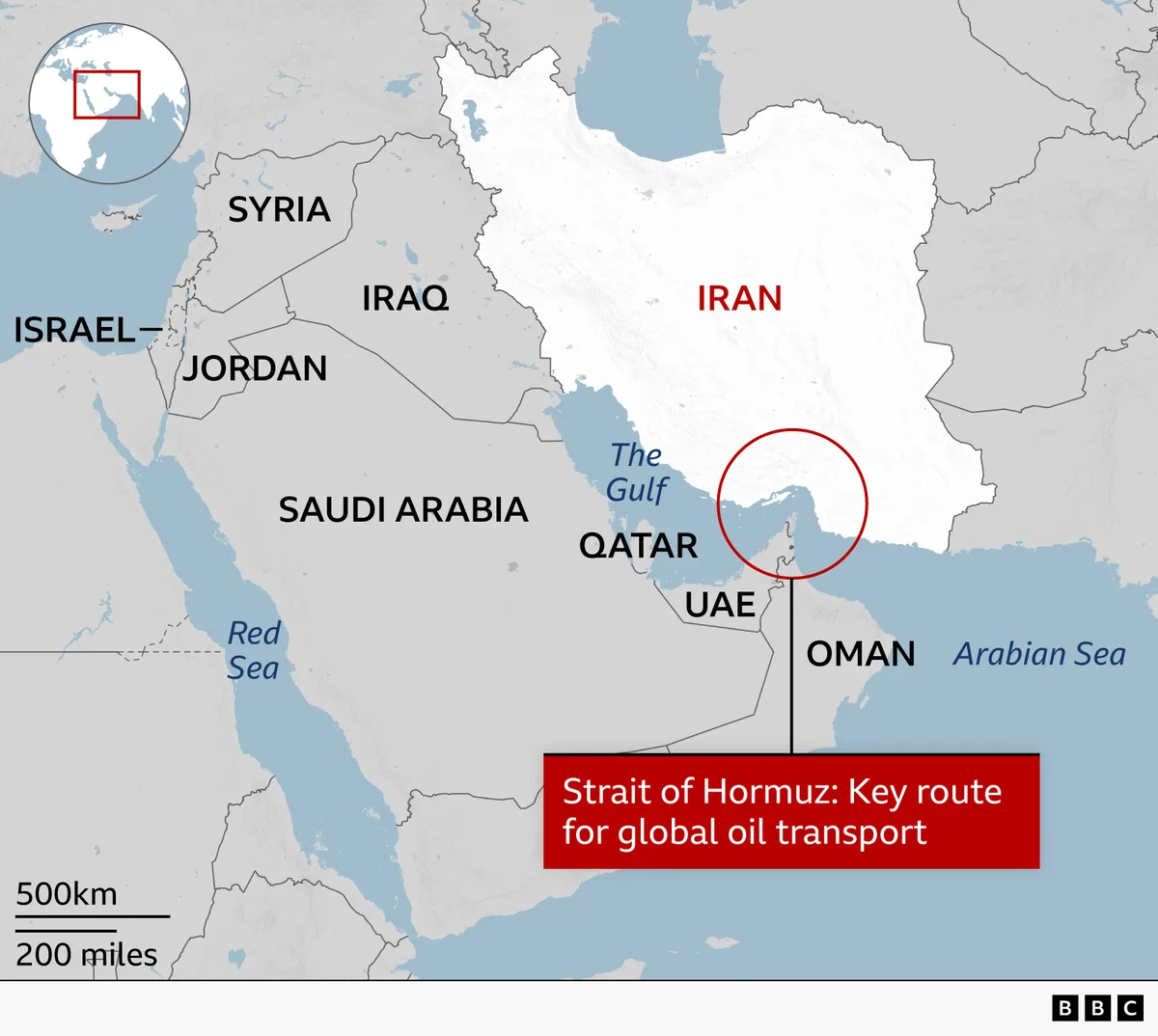
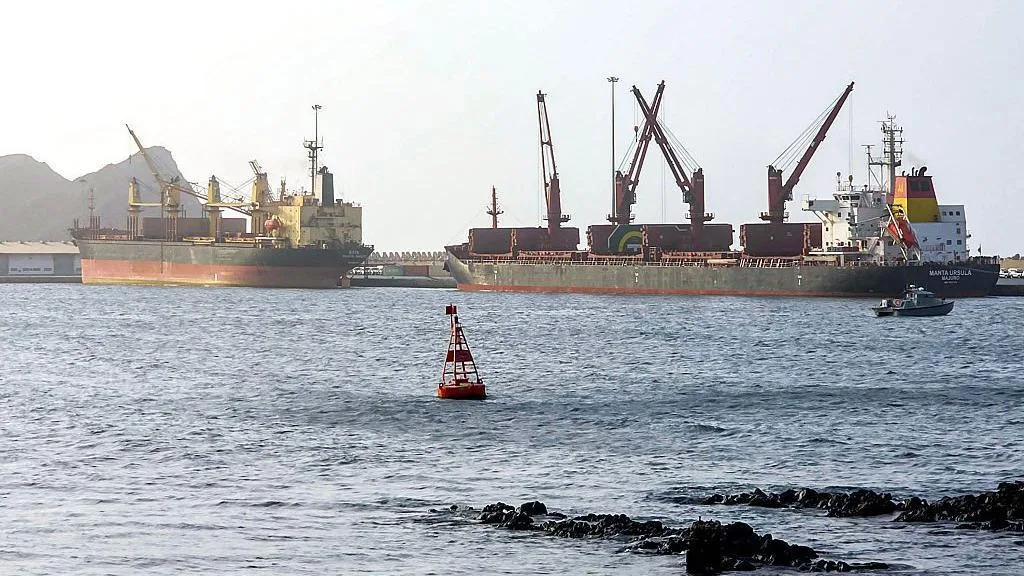
Iran also asserted control over the Strait of Hormuz on July 27, turning back six ships attempting transit, a key strategic waterway for global oil shipments [3]. Pakistani officials said they were mediating talks between the US and Iran to reduce tensions, focusing particularly on the Strait of Hormuz [10]. Oil prices fell during the July 24-27 pause but rose again after the renewed attacks [1, 3, 4].
Trump warned Iran that failure to reach a deal would lead to further strikes on sites including the Pickaxe Mountain nuclear-linked facilities, declaring, "So it's our turn. We're going to hit them very hard" [11, 8]. The US military intercepted several missiles and drones in the region before the July 29-30 counterstrikes [8].
The next scheduled developments remain unclear amid contradictory claims over ongoing negotiations and continued regional hostilities. The stability of the temporary pause and outcomes of behind-the-scenes diplomacy will likely shape further US-Iran actions in the near term.