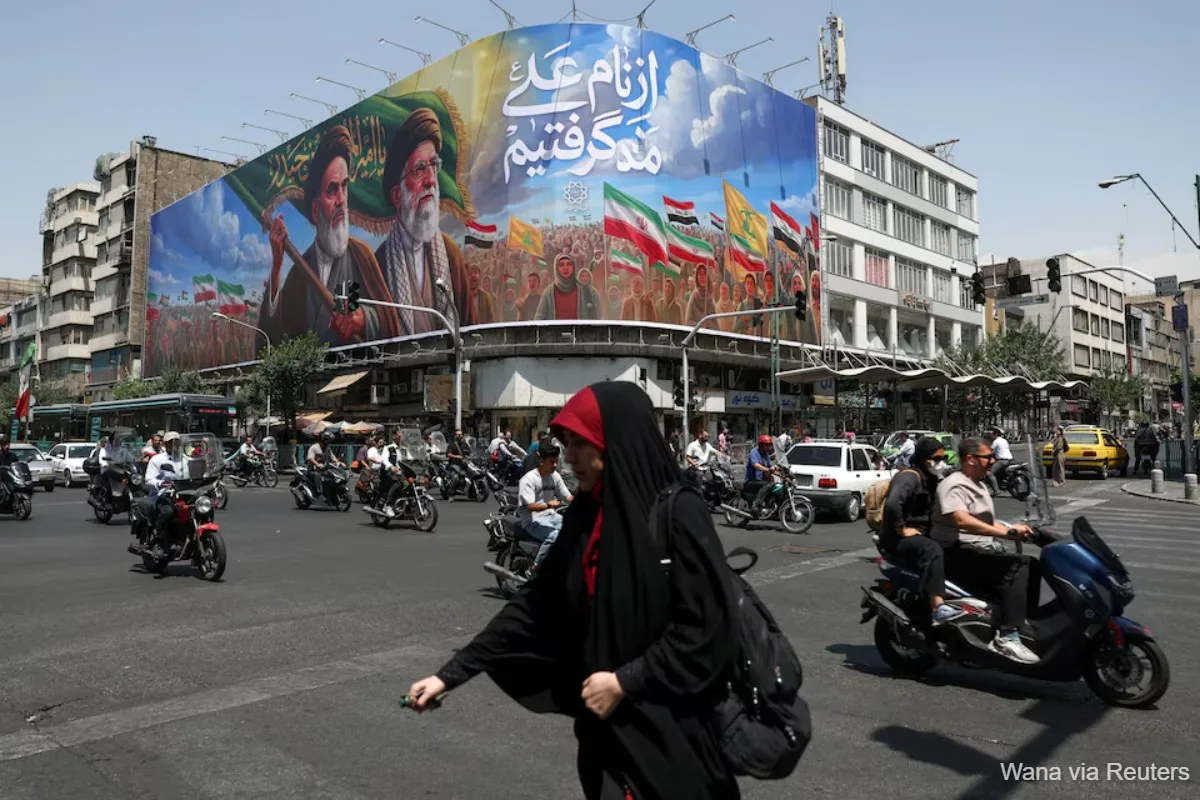
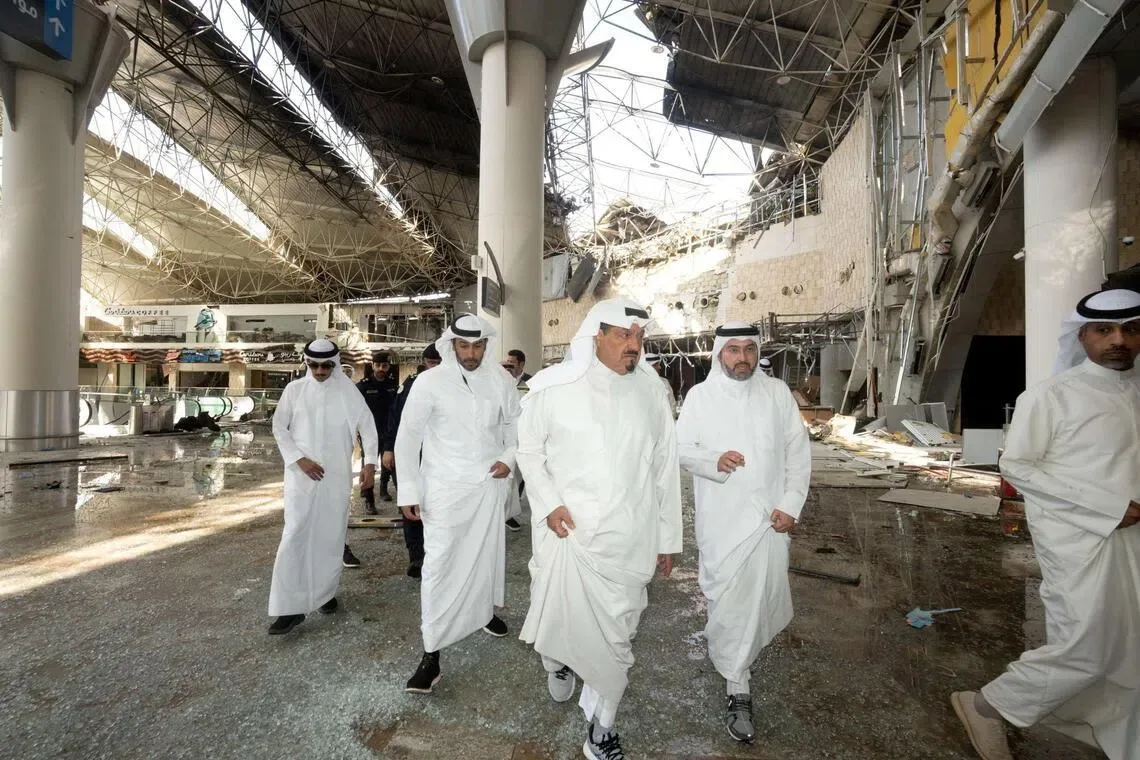
The US government plans to redirect Iranian assets to Gulf states to rebuild and repair damage caused by Iran during the ongoing conflict, officials said [1, 2, 3, 4, 5]. Treasury Secretary Scott Bessent has directed a team to assess the costs of existing and potential future damage to US Gulf allies attributed to Iranian actions [1, 2, 3, 4, 5]. The US is also evaluating the use of a broad range of Iranian assets, including frozen funds and physical assets such as oil tankers, to finance the reconstruction effort [1, 2, 3, 5].
Iranian Adviser Mohsen Rezaei said a peace deal depends on the release of $24 billion in Iranian assets currently frozen by the US. He called it "a key test of trust and a necessary step towards any broader agreement" [1, 2, 3, 4]. Tehran demands the release of billions in oil revenue and lifting of sanctions and blockades as part of any settlement [1, 2, 3, 4, 5]. However, peace negotiations have stalled amid ongoing hostilities and disagreements over asset redirection [1, 2, 3, 4, 5].
Tensions escalated on June 6 when US forces struck Iranian radar sites in Goruk and Qeshm Island after shooting down Iranian drones threatening maritime traffic [1, 2, 3, 4]. Iran’s Revolutionary Guard retaliated by launching ballistic missile strikes on US bases in Kuwait and Bahrain [1, 2, 3, 4]. Kuwait reported seven missiles flew over residential areas causing material damage but no casualties, while Bahrain sounded sirens urging residents to take shelter [1, 2, 3, 4].
The US military said six missiles were intercepted and a seventh did not reach its target, disputing Iranian claims of successful hits on the bases [1, 2, 3, 4]. The war between the US and Iran, now three months old, has involved intermittent skirmishes alongside indirect nuclear and sanctions negotiations [1, 2, 3, 4].
On the diplomatic front, a Pakistani minister traveled to Tehran on June 6 to deliver a letter to Iran's Supreme Leader Mojtaba Khamenei as part of ongoing mediation efforts [1, 2, 3].
The US Treasury team is continuing its cost assessments with plans to present recommendations soon on how to allocate Iranian assets to Gulf states for reparations and rebuilding.