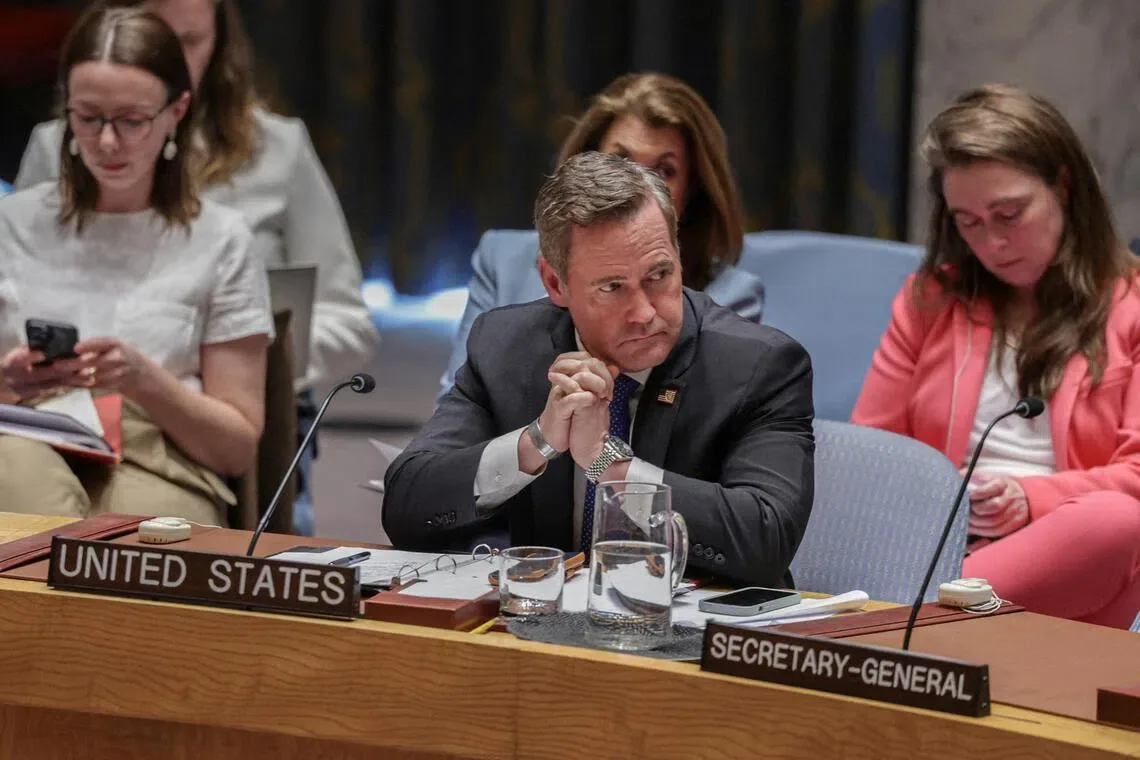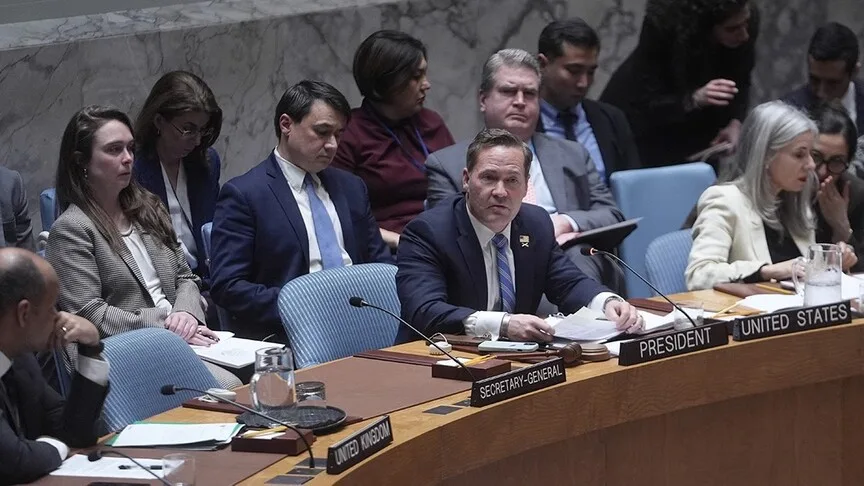
The United States announced an additional $1.8 billion in humanitarian aid funding to the United Nations Office for the Coordination of Humanitarian Affairs (OCHA) on May 14, 2026 [1, 2, 3, 4]. This commitment builds on $2 billion the US pledged in December 2025 as part of a new aid delivery mechanism aimed at improving efficiency and accountability in humanitarian assistance [1, 2, 3].
US Undersecretary for Foreign Assistance Jeremy Lewin described the funding as "hyper-prioritised, focused, and focused on the places where we have a foreign policy interest, where it aligns with the president’s interest." The US intends to avoid funding in countries where its humanitarian priorities diverge from the UN’s [1].
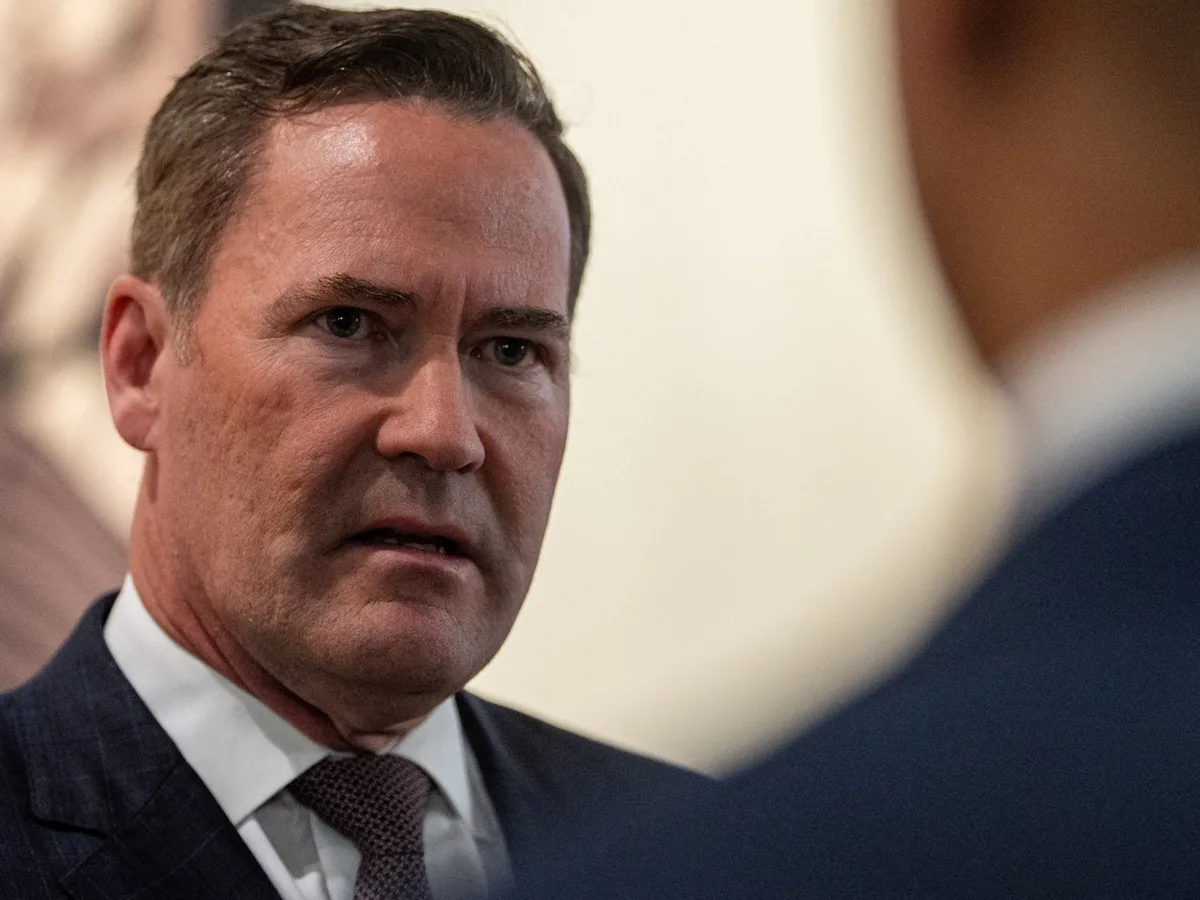
US Ambassador to the UN Mike Waltz said, "These funds will save more lives around the world but also drive forward the reforms that we put in place for efficiency, accountability, and lasting impact." He emphasized that President Trump has pushed to end acceptance of status-quo aid processes since his first day in office [3, 4].
The Trump administration views the new funding approach as part of a broader effort to reform the UN humanitarian system and overhaul traditional aid delivery [1, 3]. It comes amid significant cuts in overall US foreign aid and development funding since Trump’s second term began in 2025, including the closure of USAID and a nearly 57 percent drop in US development assistance compared to 2024 [3].
Tom Fletcher, chief of UN OCHA, said the UN is working to maintain its principles of neutrality and impartiality while reforming amid rising humanitarian needs and declining funds [1]. UN Secretary-General Antonio Guterres welcomed the US announcement, stating, "The funding will allow humanitarians to reach millions of people in the most urgent crises with lifesaving support." [4]
In 2022, the US peaked at $17 billion in humanitarian aid commitments in a fiscal year, but global humanitarian needs have since grown, with 300 million people currently requiring assistance [1, 3]. The additional $1.8 billion announced today is scheduled to further support life-saving projects aligned with US foreign policy interests and improve aid delivery through enhanced transparency and accountability [1, 3].