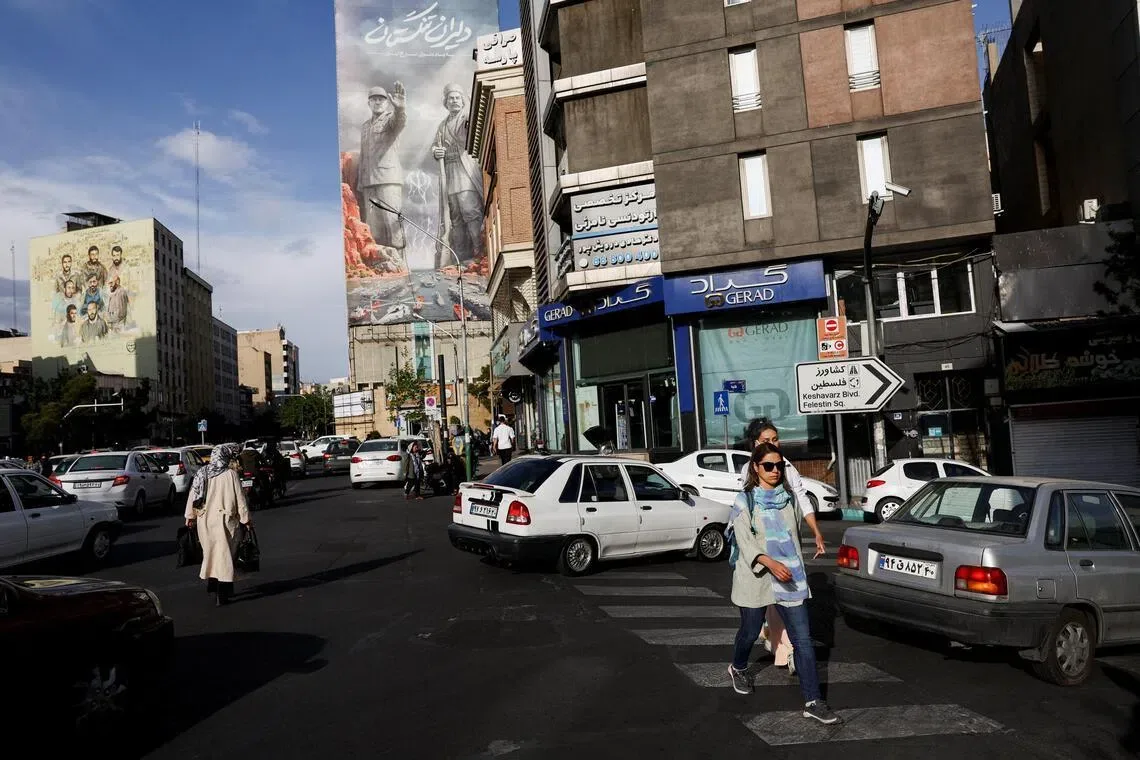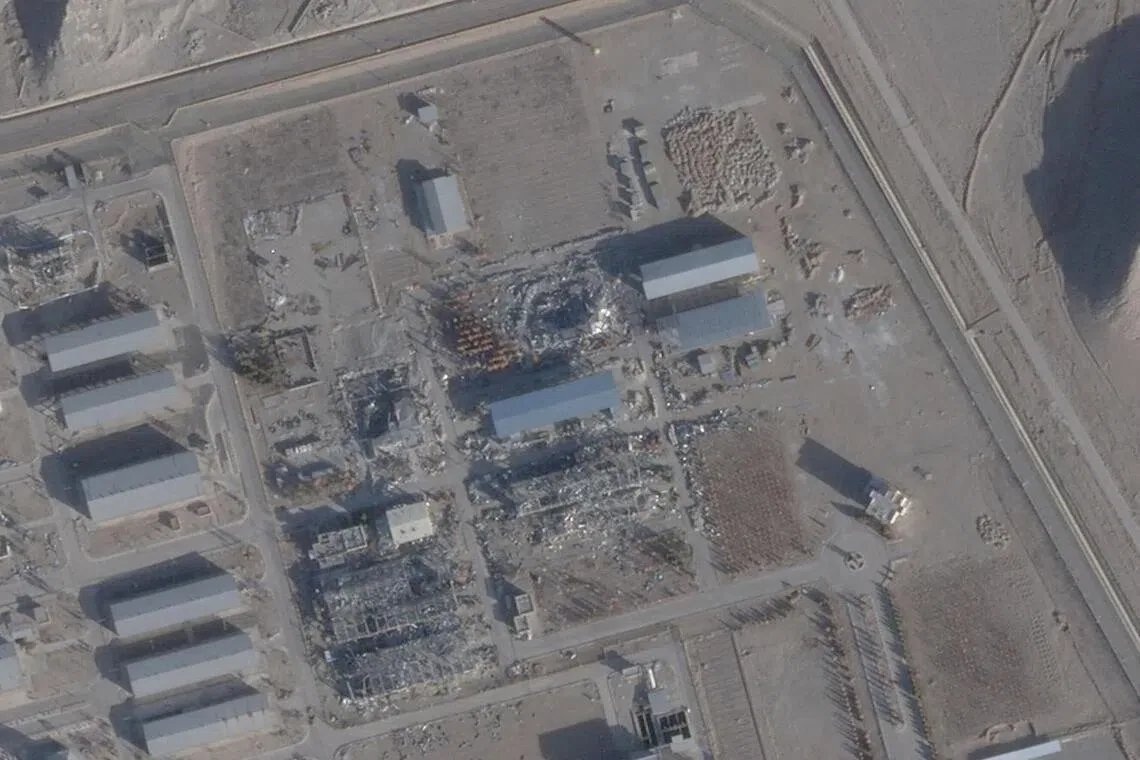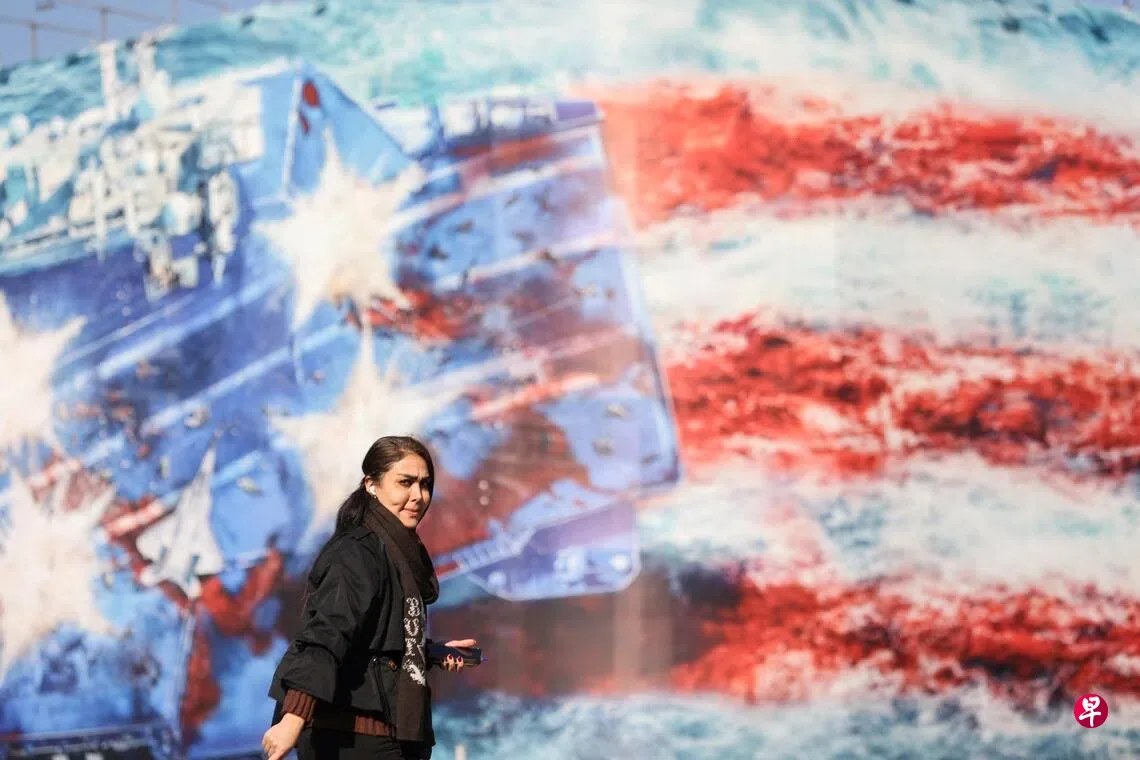
The United States and Iran have exchanged several proposals aimed at ending the war that began on February 28, with a fragile ceasefire holding since April 8 [1, 2, 3, 4]. President Donald Trump publicly outlined five main conditions on May 17, which include: no payment of war reparations by the US; transfer of 400 kg of enriched uranium to the US; limiting Iran’s nuclear facilities to a single site; refusal to unfreeze most of Iran's frozen assets; and making the ceasefire conditional on ongoing negotiations [1, 5, 6, 7].
Iran responded through Pakistani mediators with its own five-point demands. Tehran called for an immediate ceasefire on all fronts, especially Lebanon, lifting of US sanctions, release of frozen Iranian assets, war reparations from the US, and recognition of Iran’s sovereignty over the Strait of Hormuz [1, 2, 8]. Iranian Foreign Ministry spokesman Esmaeil Baqaei said, "As we announced yesterday, our concerns were conveyed to the American side. The points raised are Iranian demands that have been firmly defended by the Iranian negotiating team in every round of negotiations" [2]. He added, "We know how to respond" [3].
A major sticking point remains the location of Iran’s enriched uranium. Iran’s Supreme Leader Ayatollah Khamenei ordered the uranium must stay within Iran contrary to US and Israeli demands that it be transferred abroad [9]. The US insists on receiving the uranium to prevent nuclear proliferation [1, 5, 7].
Despite ongoing talks, progress remains limited, with both sides shifting conditions and no breakthroughs yet on asset releases or sanction reliefs [2, 3, 10]. Iranian paramilitary Revolutionary Guard warned renewed US or Israeli attacks could expand the conflict beyond the Middle East, saying, "If the aggression against Iran is repeated, the regional war that was promised will this time be extended beyond the region, and our crushing blows will bring you to ruin in places you cannot imagine" [11].
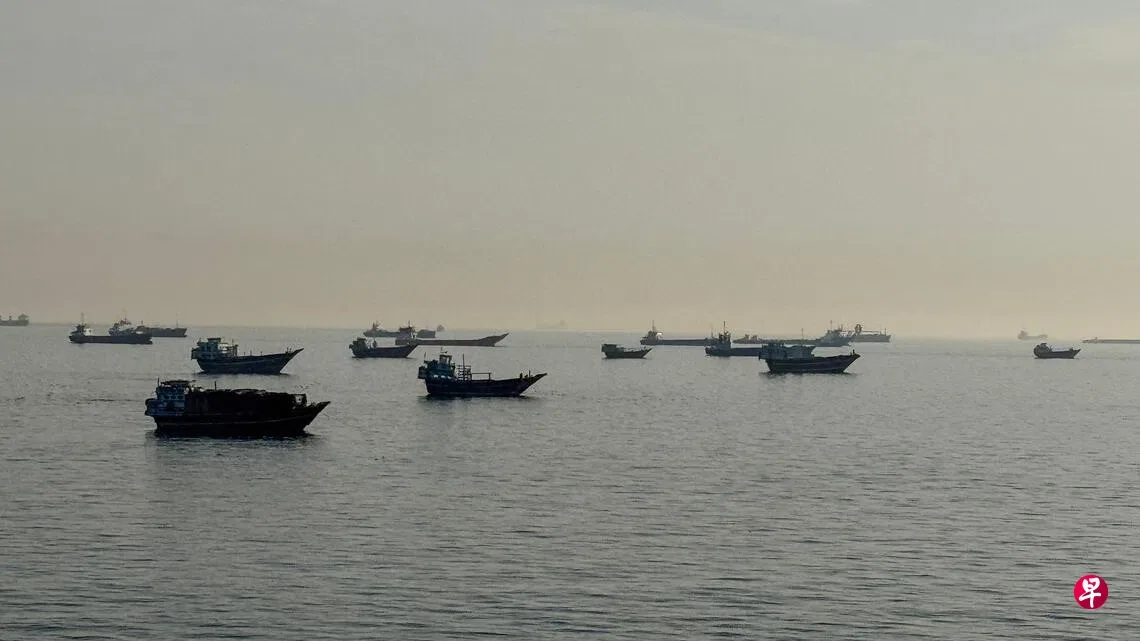
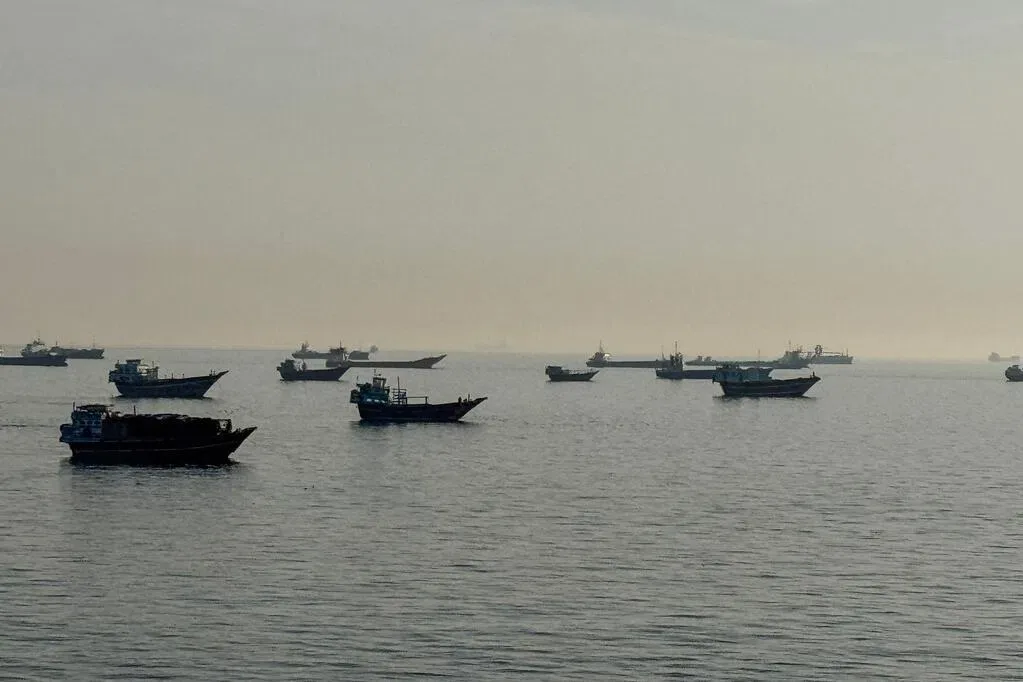
Since April 13, the US has maintained a naval blockade of Iranian ports, while Iran continues control over the strategic Strait of Hormuz [12, 8, 9]. Satellite images from May 16 showed a spike to 23 oil tankers near Iran’s Kharg Island, the highest since the blockade began [12].
President Trump has urged Iran to act quickly, tweeting on May 15, "For Iran, the Clock is Ticking, and they better get moving, FAST, or there will not be anything left of them. TIME IS OF THE ESSENCE!" [7]. However, he paused planned military attacks after requests from Gulf leaders and acknowledged there was "a very good chance that they can work something out. If we can do that without bombing the hell out of them, I would be very happy" [8, 4].
Iran confirmed on May 18 that it had submitted its response to the US via Pakistan and that talks continue, although slowly and without consensus so far [2, 3, 10, 4]. The latest reported developments came on May 20, when Iran’s Supreme Leader ordered enriched uranium must remain in Iran, while the US warned of readiness for renewed strikes if negotiations fail [9, 11]. Talks remain deadlocked on key issues with little sign of immediate resolution.