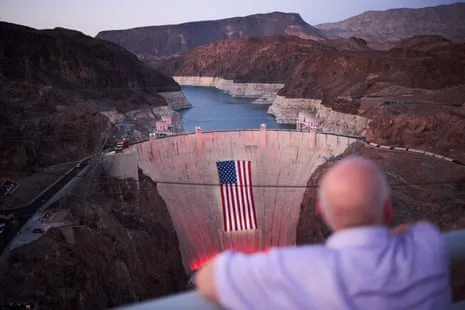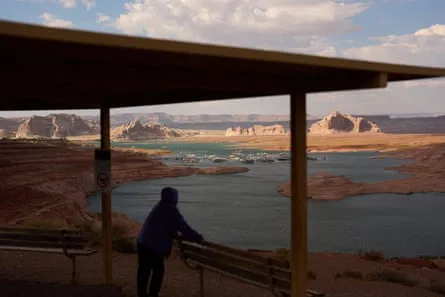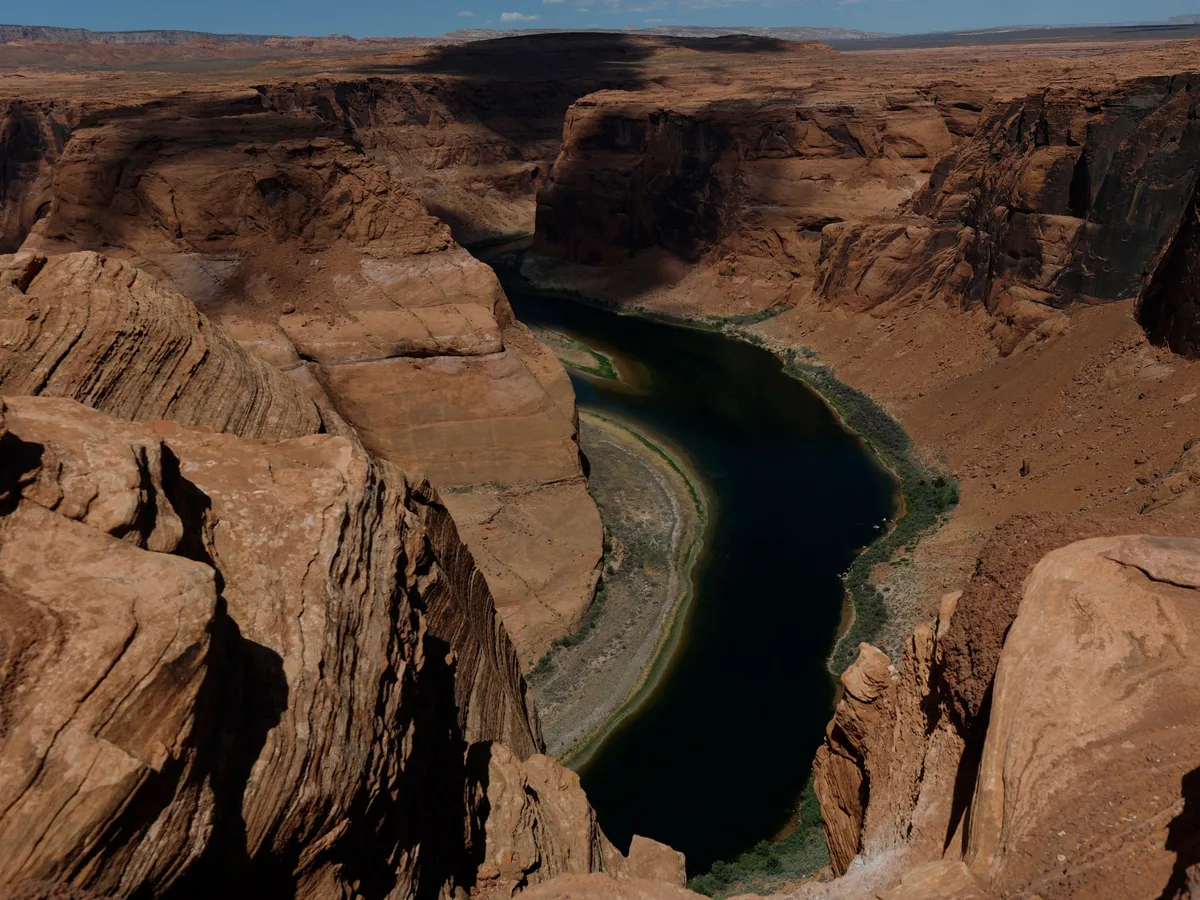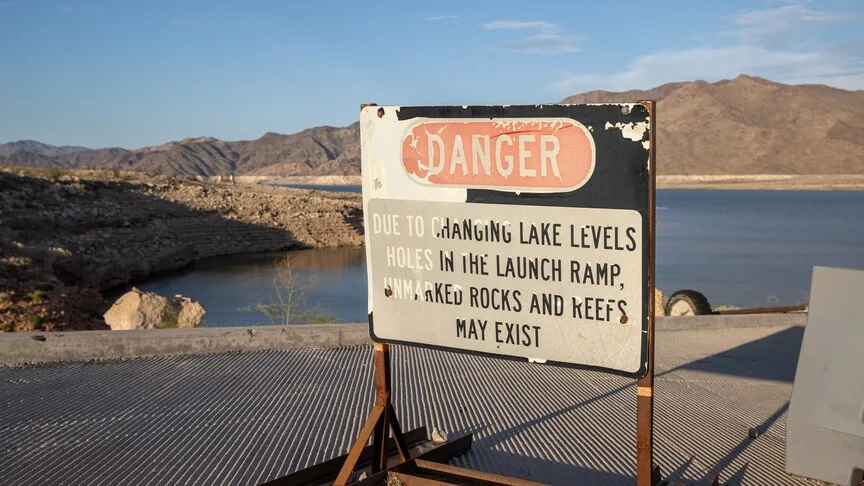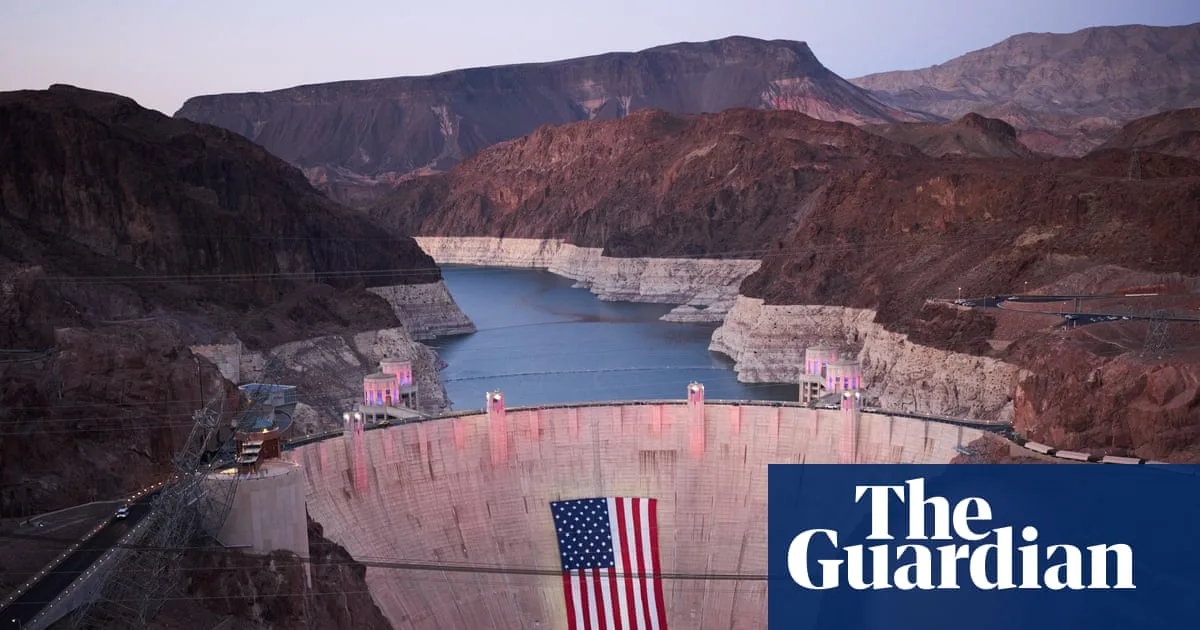
The US government released a proposal on July 31 to reduce water deliveries from the Colorado River to Arizona, California, and Nevada by up to 3 million acre-feet per year, amounting to a 20-40% cut in usage over the next decade [1, 2, 3]. The cuts target the Lower Basin states and aim to preserve water system reliability amid record-low reservoir levels at Lake Mead and Lake Powell [1, 2, 3].
Colorado, Utah, New Mexico, and Wyoming, the Upper Basin states, are exempt from mandatory reductions under the plan for now [1, 2, 3]. The 10-year management framework will update operating plans every two years. Interior Secretary Doug Burgum said, "This framework provides the flexibility to respond to changing hydrologic conditions while preserving the opportunity for the Basin States to continue working toward durable, consensus-based solutions" [1]. He added, "The Department has a responsibility to ensure the Colorado River system remains reliable and resilient for the millions of Americans, communities and industries that depend on it" [2].
The proposed cuts largely correspond with earlier submissions by the Lower Basin states but could impact agriculture, urban users, tribal nations, and increase reliance on groundwater and water prices [2, 3]. More than 25 million people rely on the Colorado River water affected by these reductions [1, 2]. Some negotiators have criticized the federal leadership as insufficient and expect possible legal disputes over the plan [3].
The current Colorado River operating framework expires at the end of September 2026, making the new proposal necessary [1, 3]. Authorities are expected to release a record of decision on short-term operations soon after July 31, with binding river operating guidelines due by October 1, 2026 [1, 2].