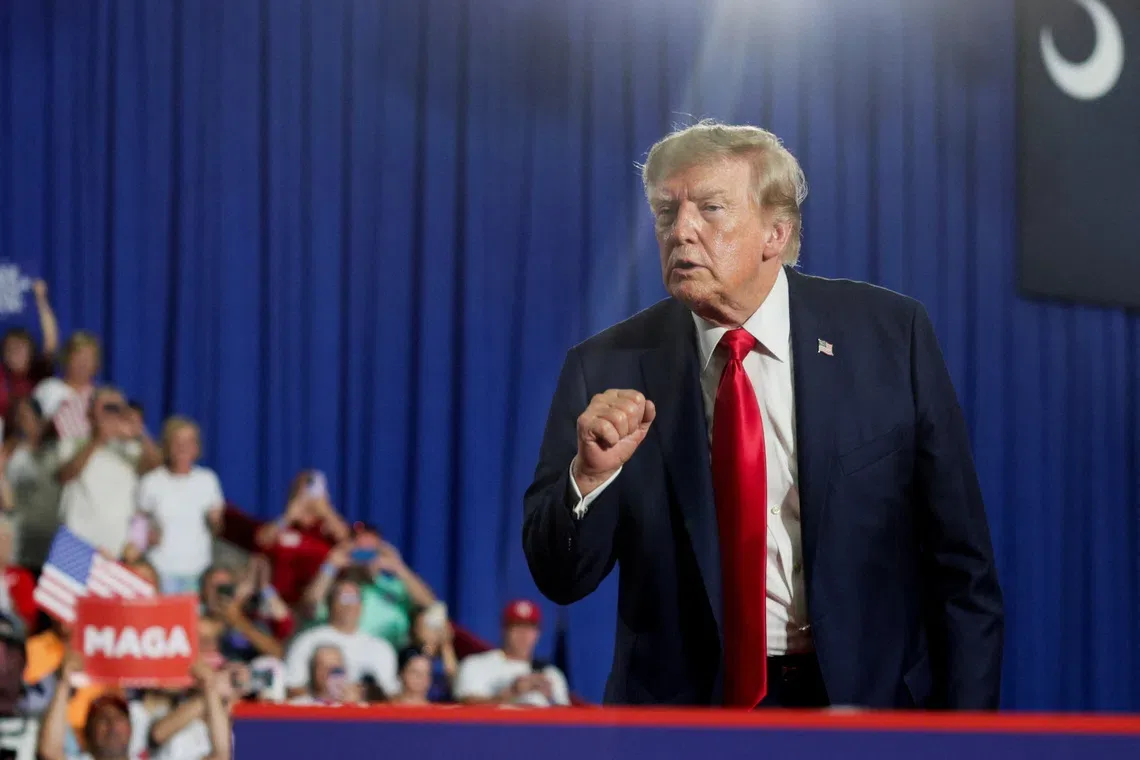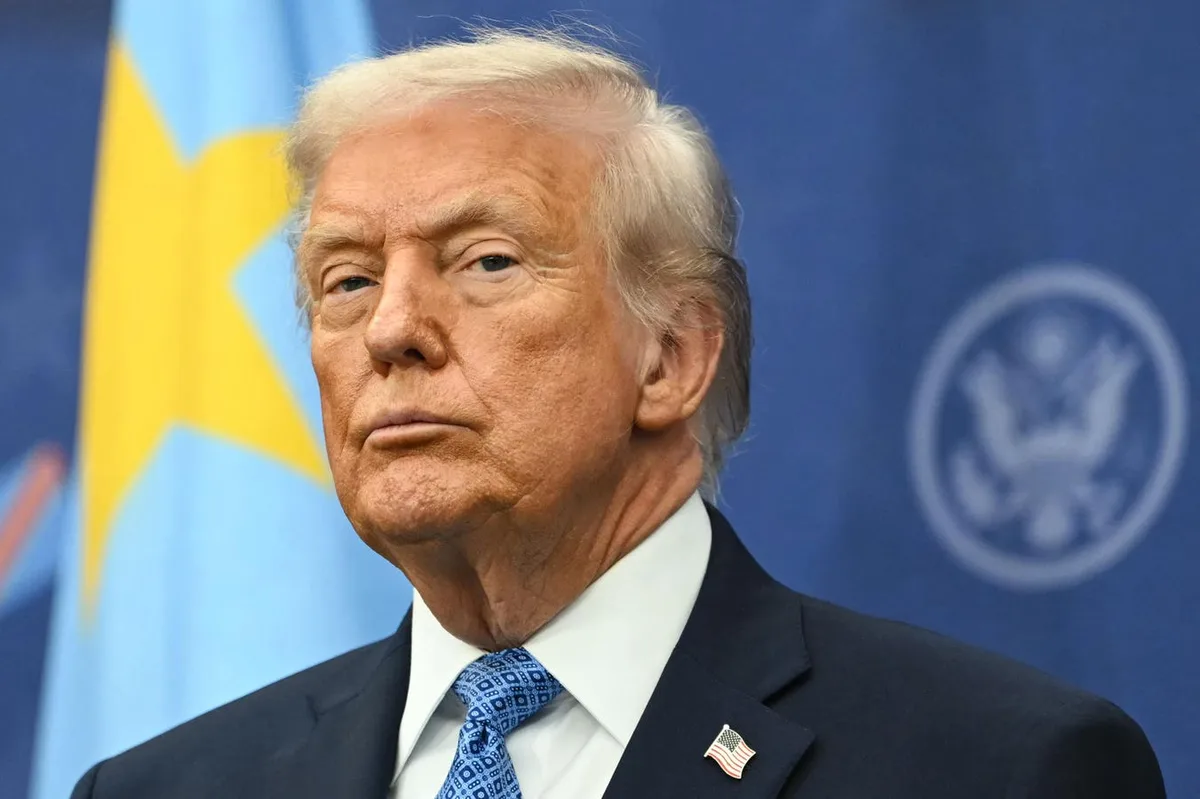
US public support for military action against Iran dropped to 31%, the lowest since the conflict began on February 28, 2026, when US and Israeli forces launched attacks on Iran [1, 2, 3, 4, 5, 6]. Support among self-identified Republicans fell to 69%, down from 77% in March [1, 2, 3, 4, 6]. Meanwhile, President Donald Trump’s approval rating held steady at 33% in the latest Reuters/Ipsos poll of 1,215 US adults, with a margin of error of ±3 percentage points [1, 2, 3, 4, 5, 6].
The conflict, now six months old, has taken a toll on public opinion. Eighty-three percent of Americans expect the war to last for an extended period, rising slightly from 80% earlier this month [1, 2, 3, 4, 5, 6]. US gasoline prices have increased by more than $1 per gallon since the war began, adding economic pressure at home [4, 6].
On August 24, the US Treasury announced expanded economic sanctions targeting Iran’s oil, finance, technology, aviation, and shipping sectors. US Treasury Secretary Scott Bessent said the campaign, named "Operation Economic Outcast," aims to block all sources of Iranian revenue and prevent countries and companies from doing business with Tehran [4, 6].
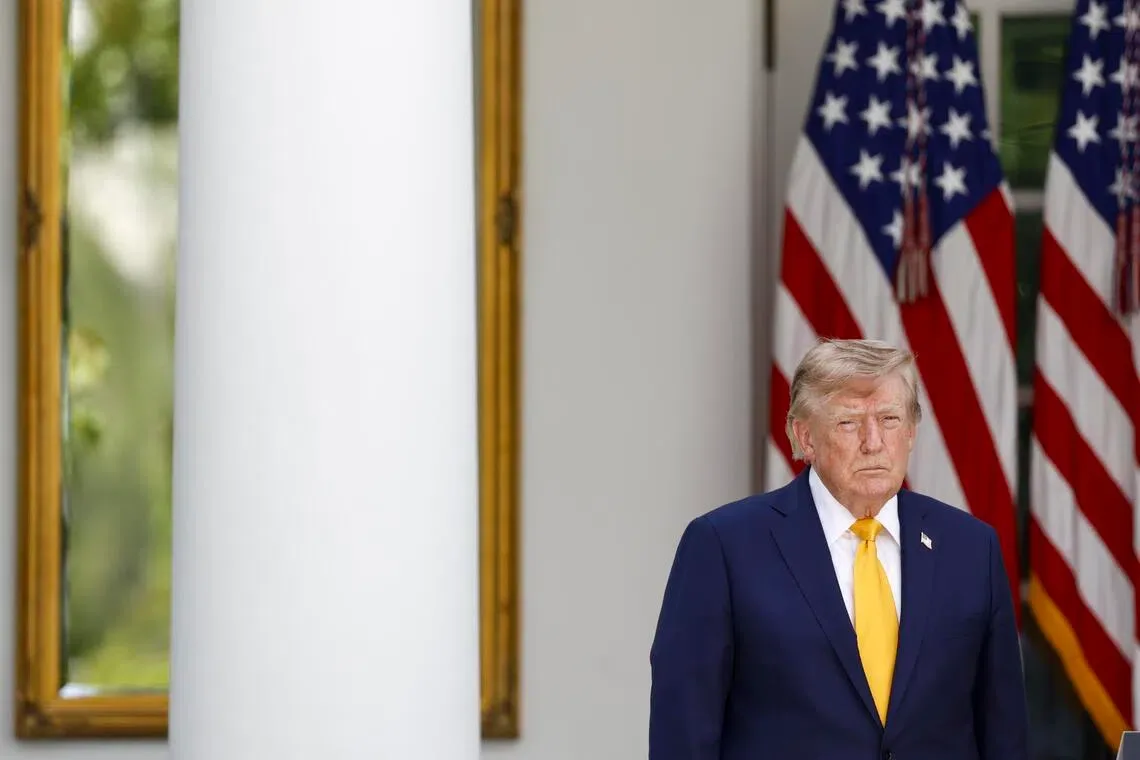
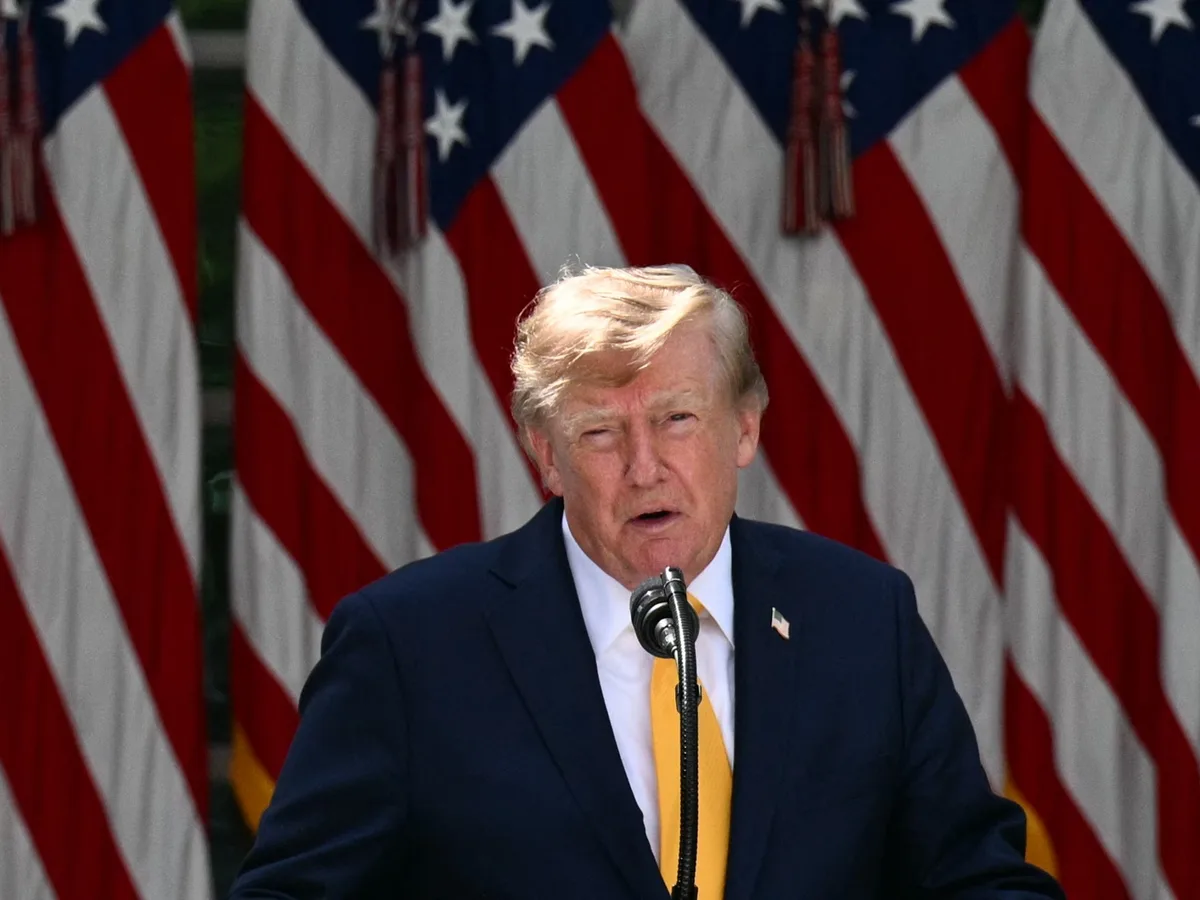
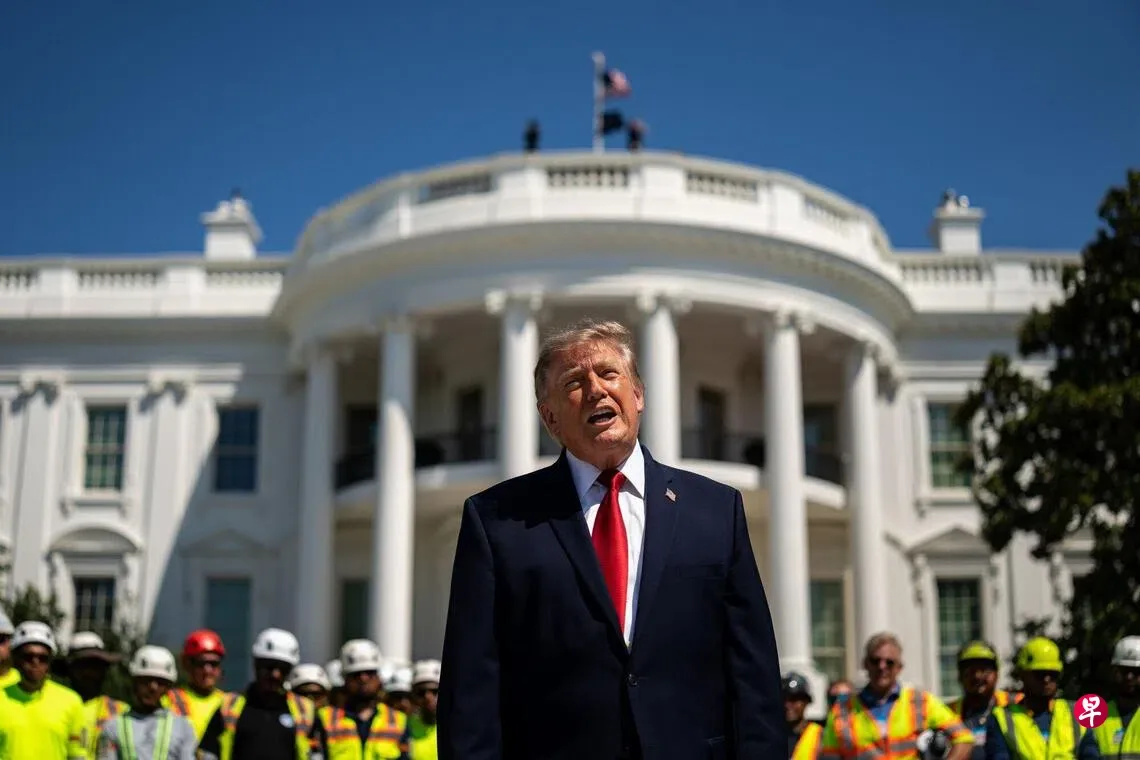
Trump, who campaigned in 2024 promising to control inflation and avoid prolonged military conflicts, has publicly criticized Iran but also appeared to downplay the war’s impact, focusing on White House renovations. At a recent press conference, he insisted, "Currently, the situation is very good," despite ongoing hostilities [3]. Political experts say Trump faces a dilemma trying to show strength while managing declining support. Garret Martin, a foreign policy expert at American University, commented, "He is convinced he can repeat his success in Venezuela by quickly showing force. I think he is now caught in a dilemma." [3]. Brookings Institution senior fellow William Galston said Trump "may believe that statues and buildings bearing his name can replace actual achievements." [3].
The war has become a political liability for Trump and the Republican Party ahead of the November midterm elections. If an election were held now, independents would prefer Democrats (33%) over Republicans (19%), according to the poll [3, 5, 6]. Trump also recently threatened to broaden the conflict with an attack on neutral Oman, raising concerns about escalation [5].
The conflict began on February 28, 2026, and the US Treasury’s expanded sanctions were announced on August 24, signaling a continued hardening of Washington’s stance [4, 6]. The next key political event for the administration will be the midterm elections in November.