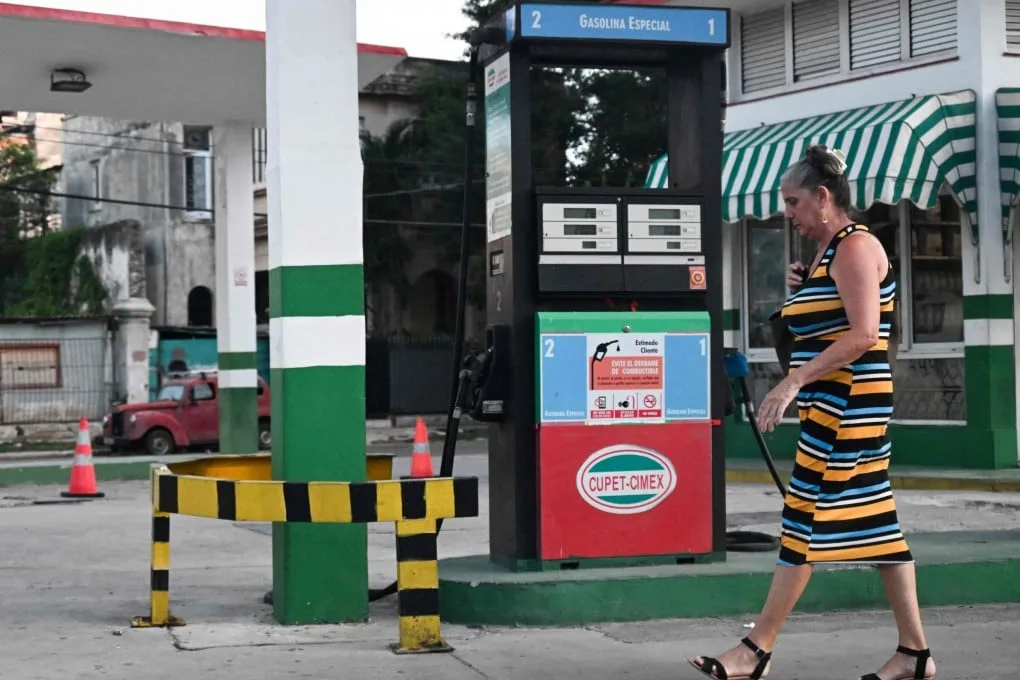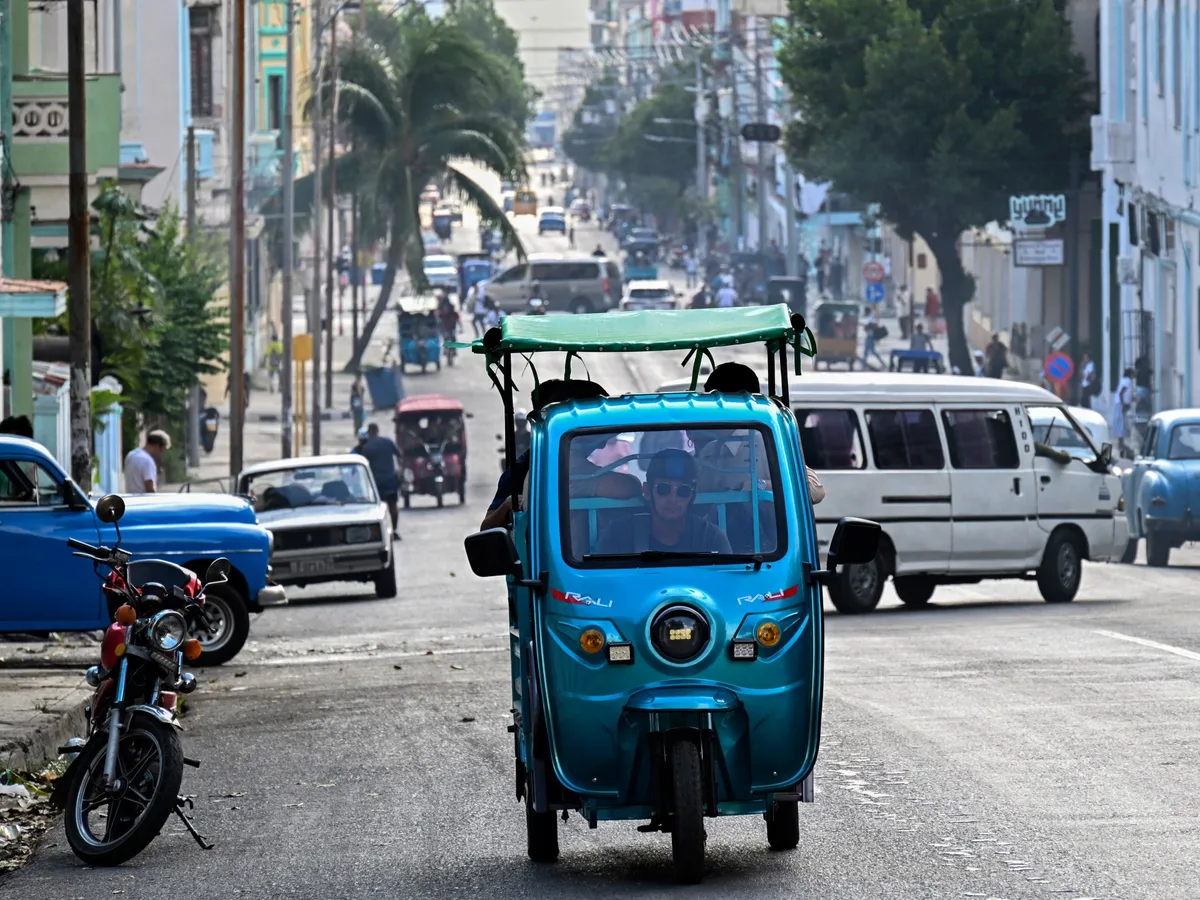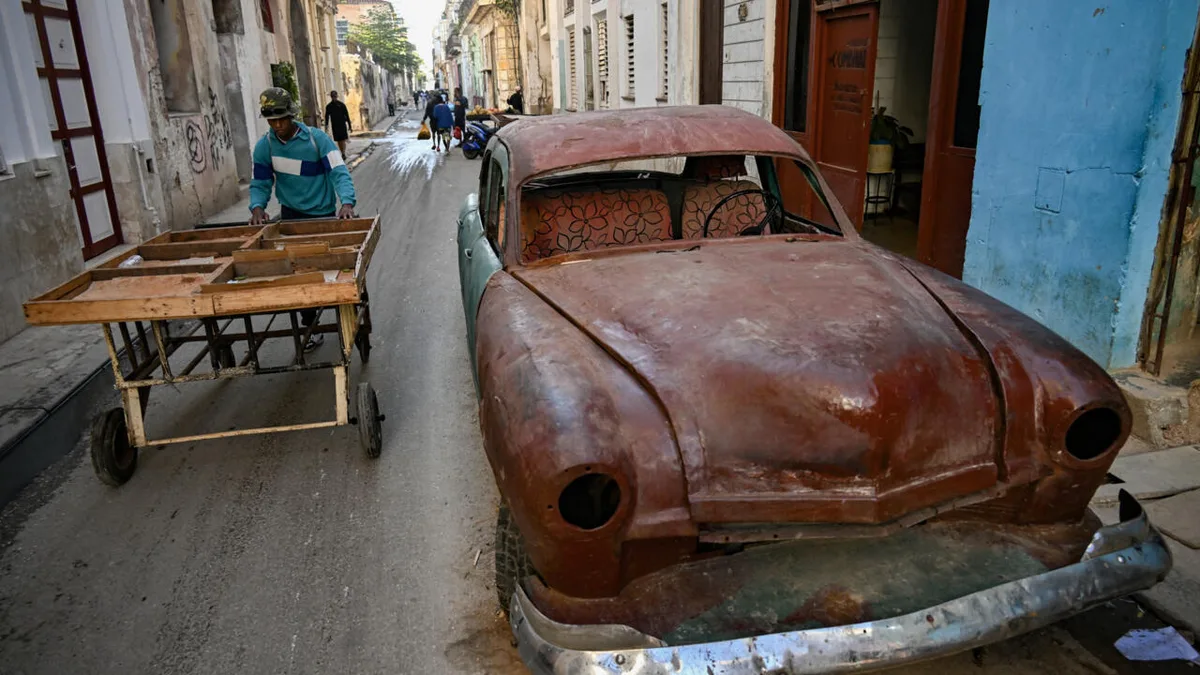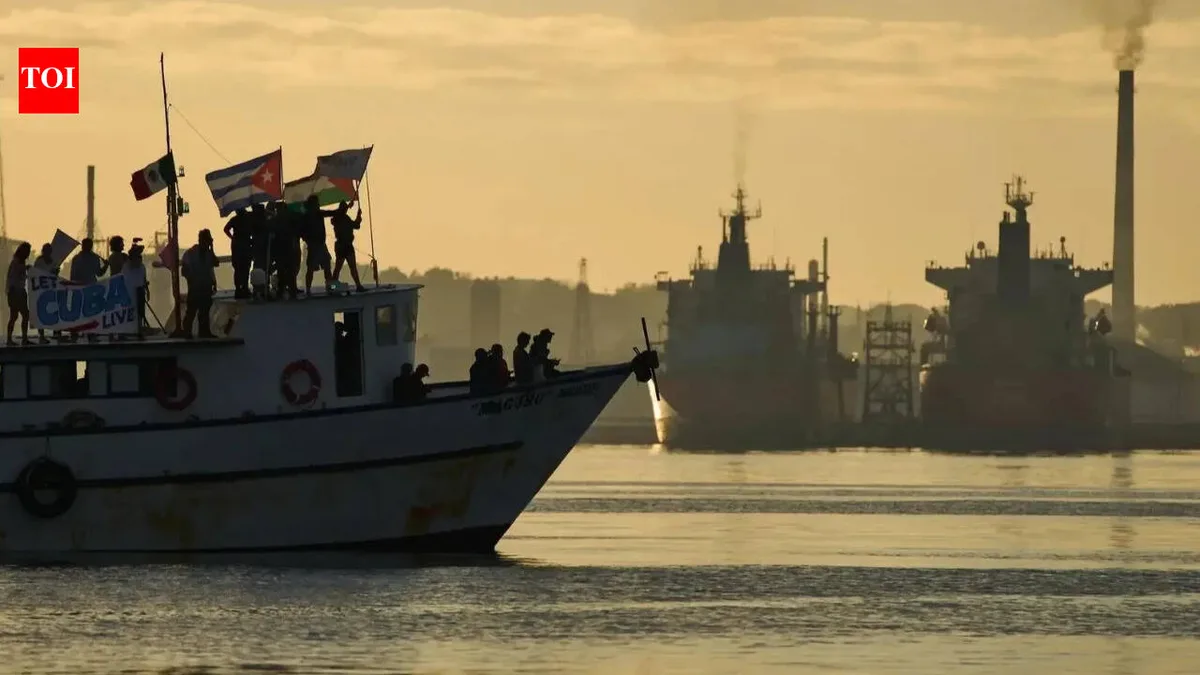
The United States renewed a $100 million offer of direct humanitarian aid to Cuba on May 13 to address the island's worsening blackouts and economic crisis caused by a severe fuel shortage [1, 2, 3, 4, 5, 6]. The package includes funding for humanitarian assistance and "fast and free" satellite internet access. These services would be distributed through the Catholic Church and independent groups rather than the Cuban government [1, 3, 4, 5, 6].
The US conditions its offer on Cuba implementing "meaningful reforms" or "Trump-approved changes" to the country's communist system, reflecting the Trump administration's intensified sanctions and rhetoric against Cuba since early 2026 [2, 3, 4, 5, 6]. Secretary of State Marco Rubio said Cuba previously rejected this $100 million aid offer [3, 4, 5]. The US State Department said, "The decision rests with the Cuban regime to accept our offer of assistance or deny critical life-saving aid and ultimately be accountable to the Cuban people for standing in the way of critical assistance" [1].
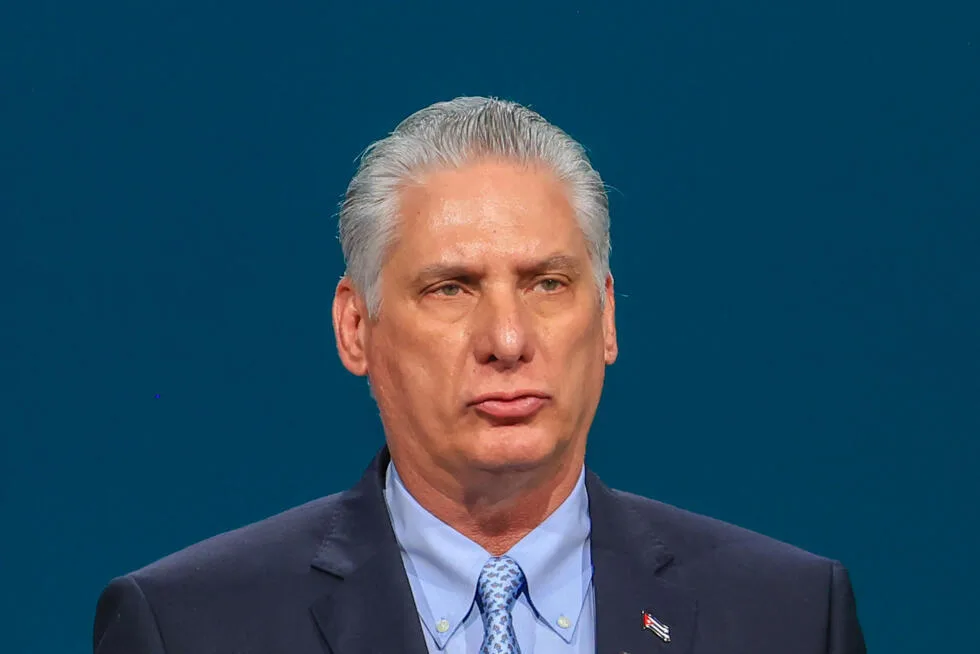
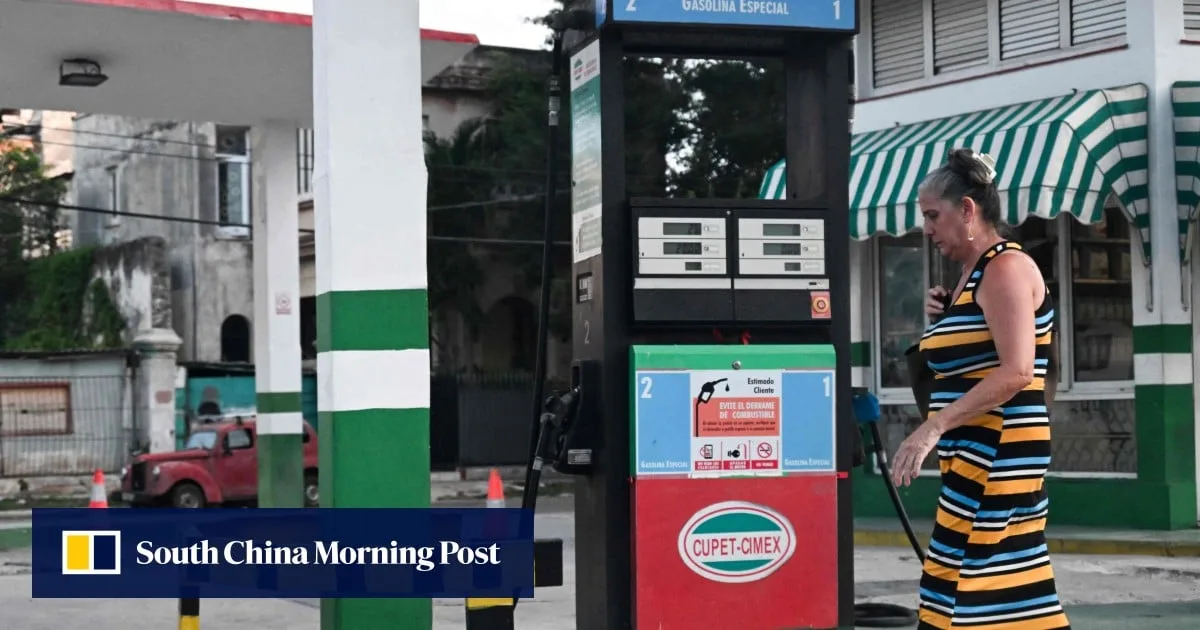
Cuban authorities deny receiving any such aid offer, calling it a "lie" or "fable" and instead blame the United States for the crisis. President Miguel Diaz-Canel called the country's situation a "dramatic worsening" caused by the US oil blockade, which he called "genocidal" and blamed for widespread power outages affecting up to 65% of the island [3, 4, 7, 6]. Cuba imports about 60% of its oil, with supplies sharply reduced after Venezuela stopped shipments following US pressure [2, 3, 4]. Cubans have reportedly exhausted their fuel reserves, with no fuel oil or diesel remaining [6].
President Diaz-Canel on May 14 called on the US to lift the embargo instead of offering aid, saying, "The damage could be alleviated in a much easier and more expedient way by lifting or easing the blockade" [7]. He also said, "If the US government is truly willing to provide assistance ... it will encounter neither obstacles nor ingratitude from Cuba, no matter how inconsistent and paradoxical such an offer may be" [6]. Cuban Foreign Minister Bruno Rodriguez questioned the US aid offer, asking, "Wouldn't it be easier to lift the fuel blockade?" [4].
The US imposed the oil embargo on Cuba on January 30, 2026, worsening the fuel crisis [2, 7]. Only one Russian tanker arrived in Cuba amid supply shortages in late March 2026 [2, 3, 4]. Before the renewed $100 million offer, the US provided $6 million in humanitarian aid to Cuba [4].
As of May 15, Cuba said it was weighing the US offer amid skepticism and ongoing fuel shortages [6]. The humanitarian aid offer remains conditional on Cuba agreeing to reforms, and the Cuban government continues to prioritize embargo removal as its solution to the crisis.