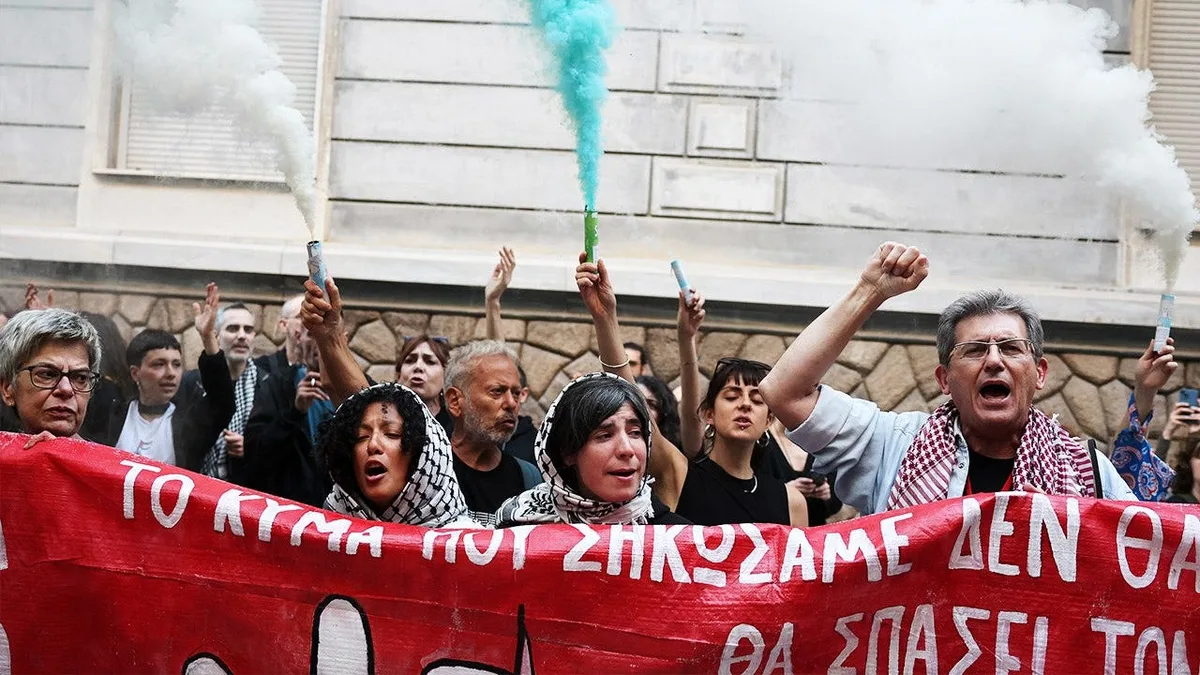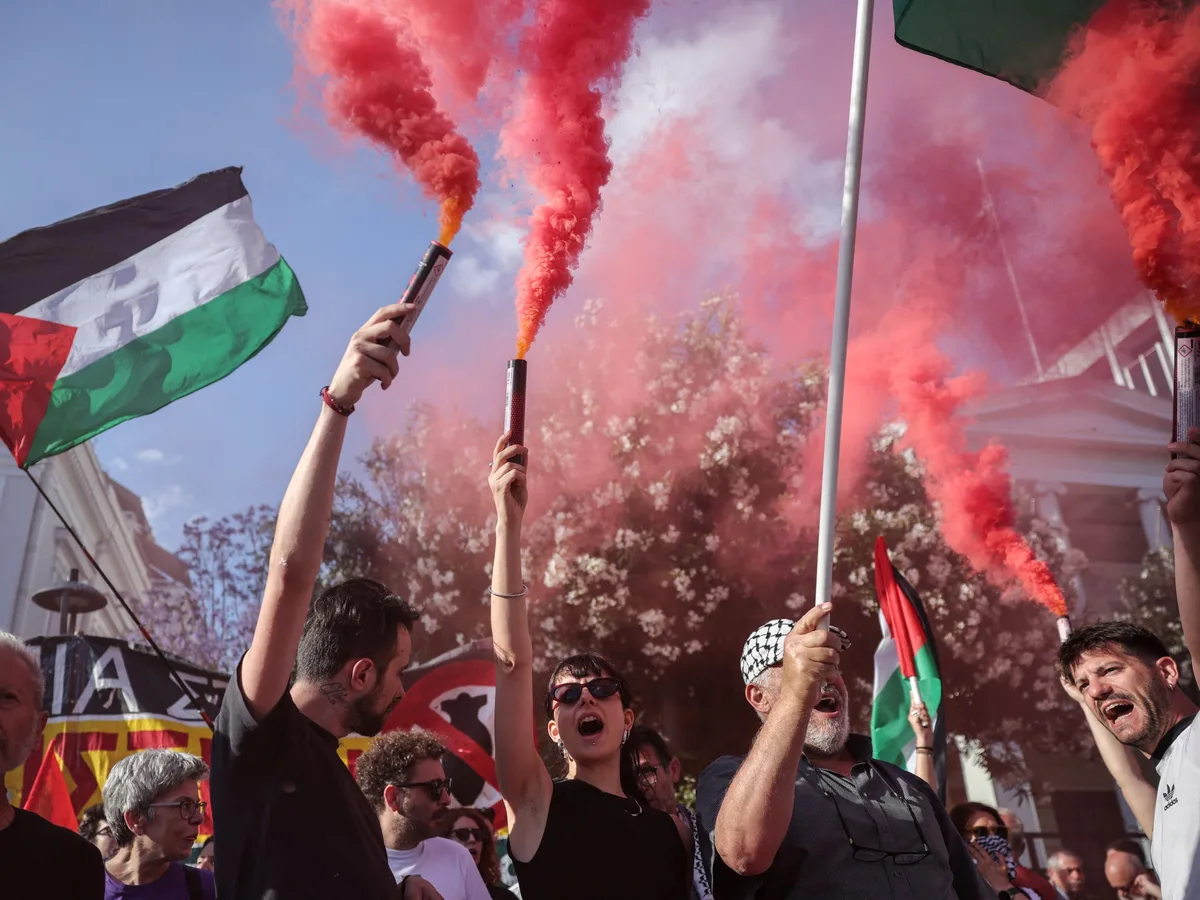
The United States imposed sanctions on four activists involved in organizing Gaza-bound aid flotillas that sought to break Israel’s blockade of the territory. The sanctions were announced on May 19 by the US Treasury and State Departments, targeting two representatives of the Popular Conference for Palestinians Abroad (PCPA) and two from the Palestinian prisoners solidarity network, Samidoun [1, 2].
US officials accused the flotilla organizers of supporting Hamas and networks linked to the Muslim Brotherhood. Treasury Secretary Scott Bessent described the flotilla as “a ludicrous attempt to undermine President Trump’s successful progress toward lasting peace in the region” and pledged to sever Hamas’ global financial support networks “no matter where in the world they are” [1].
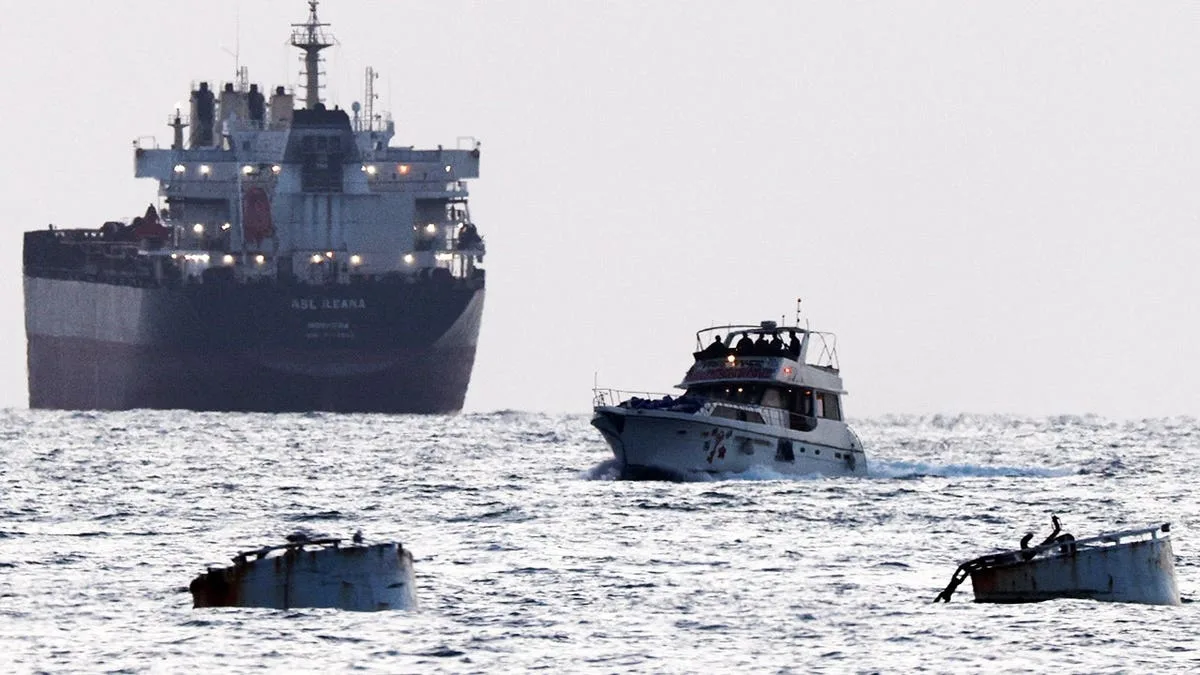
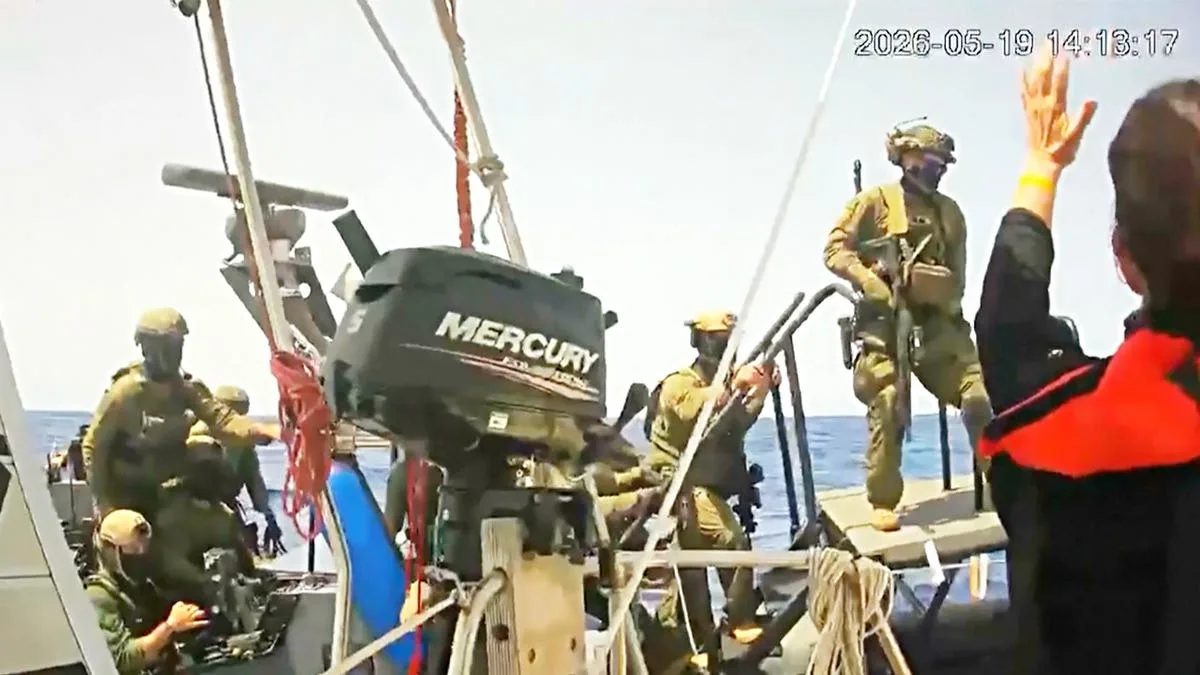
The flotilla was intercepted by the Israeli military in international waters off Cyprus, where hundreds of activists on board were detained [1, 2]. Organizers have said their mission was to deliver humanitarian aid to Gaza and express solidarity with Palestinians enduring severe shortages under the Israeli blockade [1, 2].
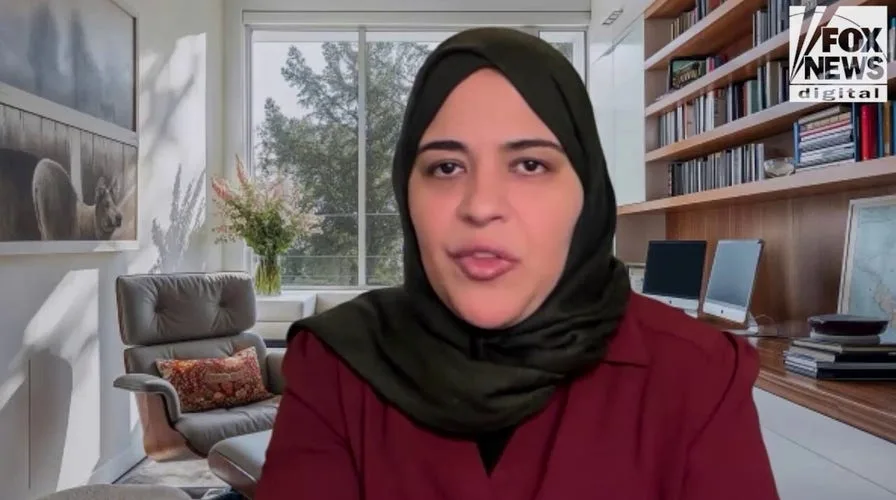
Critics, including the US-based rights group DAWN, have condemned the sanctions, arguing that Palestinians and their supporters are organizing peaceful international efforts to provide relief [1]. Samidoun’s Mohammed Khatib, one of the sanctioned activists, has a history of detention in Belgium and Greece linked to his activism [1]. The US had previously blacklisted both Samidoun and the PCPA over their roles in backing such flotillas [1].
The flotilla took place amid ongoing Israeli airstrikes on Gaza, which have continued since a ceasefire brokered by President Trump took effect in October 2025. At least 880 people have been killed in those attacks, contributing to a worsening humanitarian crisis in the territory [1].