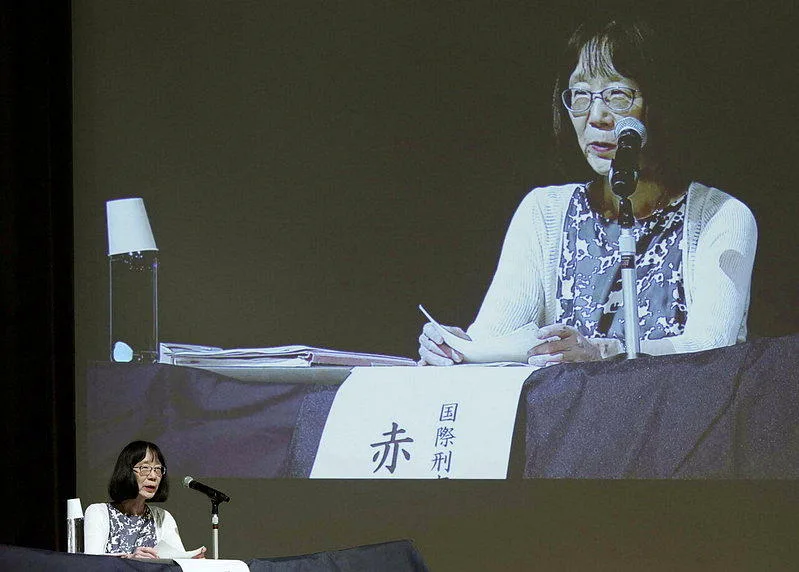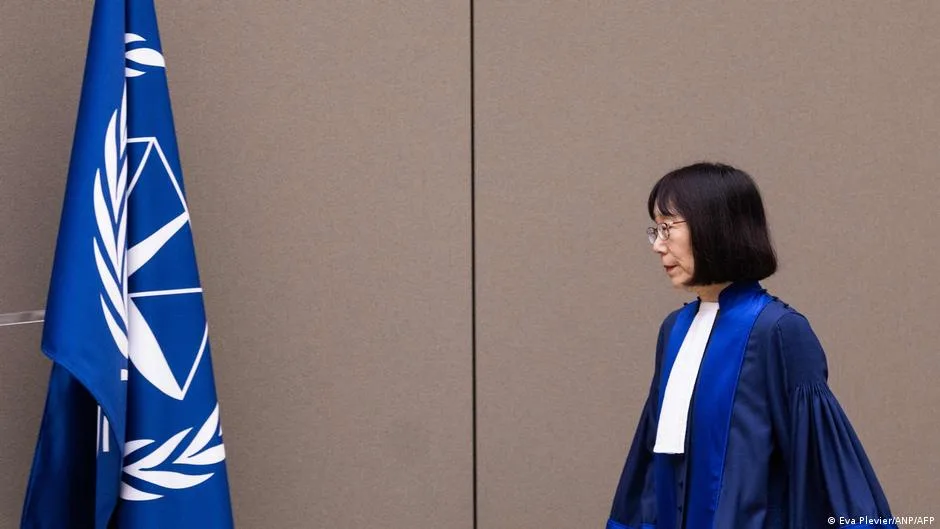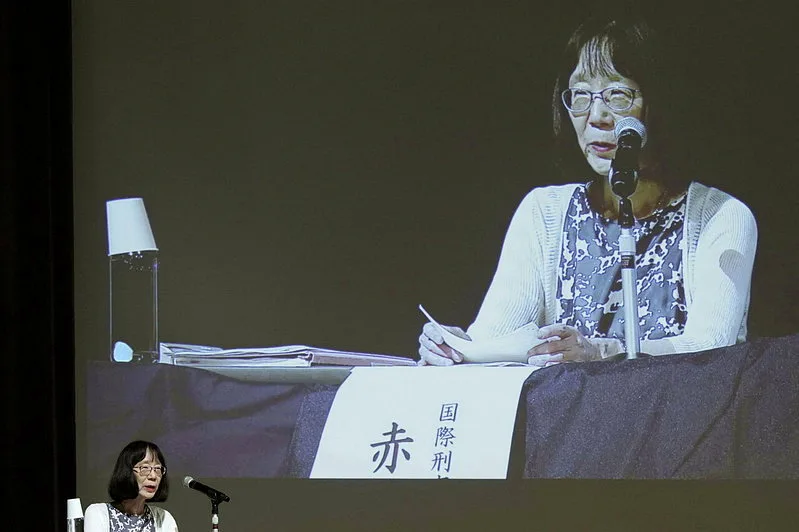
The US government under President Trump imposed sanctions on Japanese-born ICC President Tomoko Akane and Senegalese senior trial lawyer Abdoulaye Seye on August 18, 2026 [1, 2, 3, 4, 5, 6, 7, 8, 9, 10, 11]. Secretary of State Marco Rubio said the individuals "directly participate in ICC investigations, arrests, detentions, or prosecutions of officials from states that have not accepted ICC jurisdiction" [1].
The US described the ICC as a "corrupt and highly politicized supranational court" that abuses its authority and infringes on US and allied sovereignty [1, 4, 5, 7, 10]. The sanctions bar Akane and Seye from entering the US, freeze their assets under US jurisdiction, and prohibit US persons from economic dealings with them and their families [1, 2, 3, 4, 5, 7, 10, 11].
These sanctions follow earlier US measures in June 2025 targeting four ICC judges involved in cases against Israel and Afghanistan [1, 2, 3, 7, 11]. Two judges had approved war crimes investigations into the Afghanistan conflict while two others issued arrest warrants for Israeli Prime Minister Netanyahu [1, 2, 3, 7, 11].
Akane and other ICC judges criticized the US sanctions as politically motivated and selective. They pointed out that only female judges from developing countries were targeted while a male judge from a developed country was exempted [1, 2, 7, 11]. Akane said, "Even if a judge dies, someone can always replace them. We have a responsibility to handle the cases assigned without yielding to political pressure" [1, 2, 3, 7, 11].
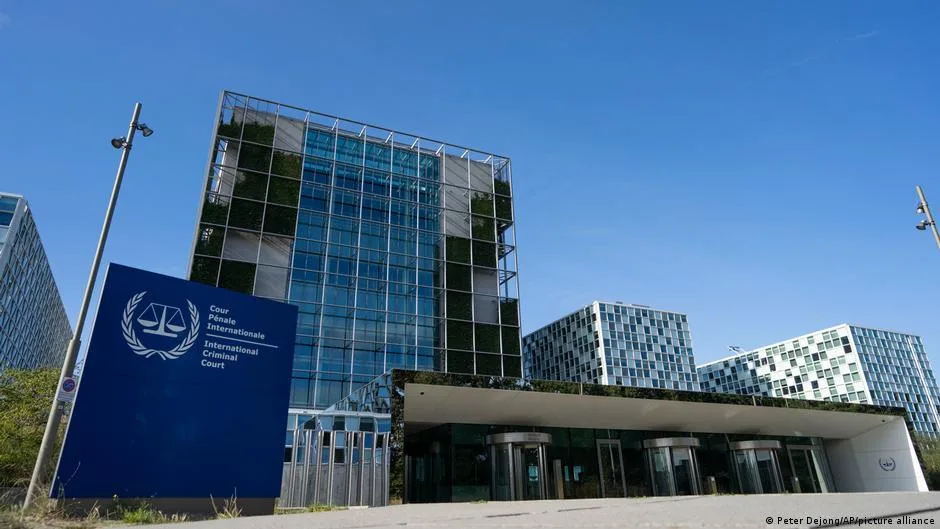
The ICC denounced the sanctions as damaging to rule of law and judicial independence, warning that threats to judicial personnel threaten the international legal order [1, 2, 3, 4, 5, 7, 10, 11]. An ICC representative said, "Measures targeting judges, prosecutors and staff acting according to their duties undermine rule of law and threaten international legal order" [1].
Japan expressed regret over the US's actions and reaffirmed strong support for the ICC and Akane's presidency. A Japanese Foreign Ministry spokesperson said, "We deeply regret this and will continue to communicate with related countries to strengthen rule of law internationally" [6, 8, 9, 11]. Japanese lawmakers from various parties condemned the sanctions and called for clear protests and withdrawal [6, 8, 9]. Germany also voiced support for the ICC and Akane, with a foreign ministry spokesperson stating, "We firmly support the ICC and its president Tomoko Akane. Protecting the ICC as an independent institution is vital" [5, 9, 10].
The sanctions come amid ICC investigations into alleged war crimes by Israel in Gaza. The court issued arrest warrants against Netanyahu in 2024, spurring US objections [4, 5, 7, 10, 11]. Netanyahu praised the US sanctions, calling the ICC a "kangaroo court that abuses power under the guise of international law" [4, 9].
The ICC has 125 member countries but does not include the US, Russia, or China [1, 2, 3, 7, 11]. It lacks its own police force and depends on member states’ cooperation to execute arrests [1, 2, 3, 7, 11]. The US has also pressured allies diplomatically to withdraw from the ICC, with Chad and Venezuela having exited [4, 5, 9, 10]. Human rights groups condemned the sanctions for harming victims’ access to justice [5, 9, 10].
The US and Russia are the only states imposing national punitive measures on ICC officials, using sanctions and criminal prosecutions/arrest warrants, respectively [5, 10]. Akane was previously listed on Russia’s wanted list in 2023 after ICC arrest warrants for Russian officials, including President Putin [1, 2, 3, 5, 7, 11]. The sanctions restrict Akane and Seye’s use of US-based services such as financial platforms, Amazon Kindle, and Uber [1, 2, 3, 7, 11].