The US Treasury Department imposed sanctions on Amin Exchange, an Iran-based financial firm also known as Ebrahimi and Associates Partnership Company, on May 19. The sanctions target Amin Exchange’s extensive network of front companies operating in the UAE, Turkey, Hong Kong, and China that aid in evading international sanctions and accessing global financial markets [1, 2].
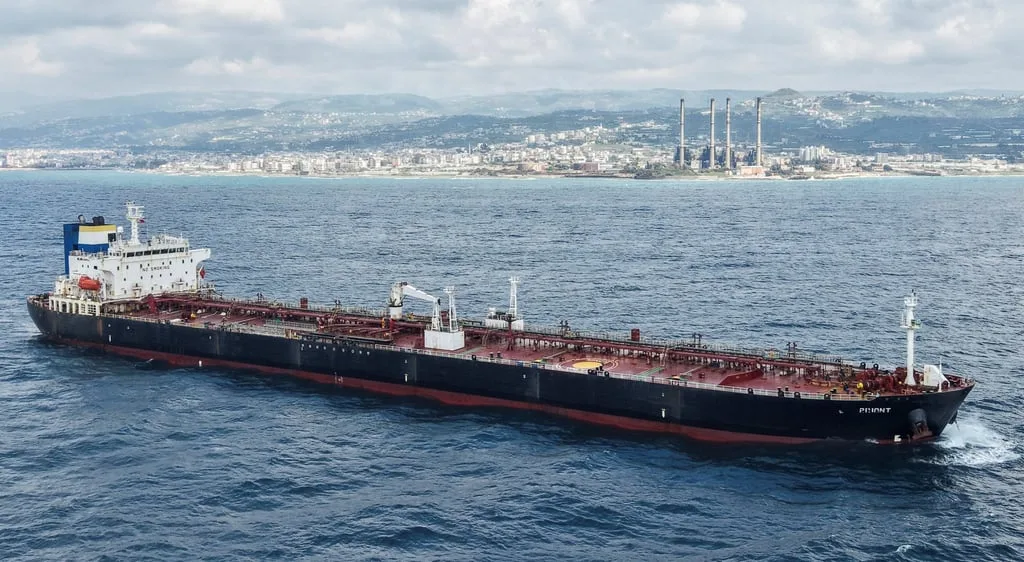
In the same action, US authorities blocked 19 vessels involved in the shipment of Iranian petroleum and petrochemicals to foreign buyers. These vessels are part of a shadow fleet that helps Iran export fuels despite sanctions [1, 2].
Eight front companies linked to Amin Exchange were designated. These firms, based mainly in Hong Kong, UAE, and China, facilitate hundreds of millions of dollars in transactions for Iranian banks annually, enabling Iran to bypass restrictions on its financial dealings [1].
Iranian exchange houses like Amin Exchange are responsible for billions in foreign currency transfers each year. The US Treasury says these networks form a shadow banking system used by Iran to finance illicit activities. Treasury Secretary Scott Bessent commented, "Iran’s shadow banking system facilitates the illicit transfer of funding for terrorist purposes" [1].
Separately, Iran has proposed peace terms involving cessation of hostilities on all fronts, withdrawal of US forces near its borders, and reparations related to conflict damages [1, 2].
The Treasury Department’s sanctions on Amin Exchange and the 19 vessels went into effect on May 19, continuing US efforts to cut off financial and logistic support for Iran’s sanctioned petroleum exports.