The United States sanctioned Iran’s Persian Gulf Strait Authority, adding it to the Specially Designated Nationals list on May 27, 2026 [1, 2, 3]. The Persian Gulf Strait Authority manages passage requests through the Strait of Hormuz, a critical chokepoint where about 20% of the global oil supply passes daily [1, 2, 3].
The US Treasury Department accused the authority of extorting maritime trade by forcing vessels to pay tolls for passage. Funds collected from these tolls are funneled directly to Iran's Islamic Revolutionary Guard Corps (IRGC) [3]. Anyone cooperating with the authority, including those involved in payments or services, may risk US sanctions [2, 3].
US Treasury Secretary Scott Bessent said, "The Iranian military’s latest attempt to extort global maritime trade is proof that (Operation) Economic Fury has left the regime desperate for cash" [2, 3]. The sanctions come amid heightened regional tensions following US and Israeli military strikes against Iran on February 28, 2026, which led Tehran to close the Strait of Hormuz [1, 2, 3].
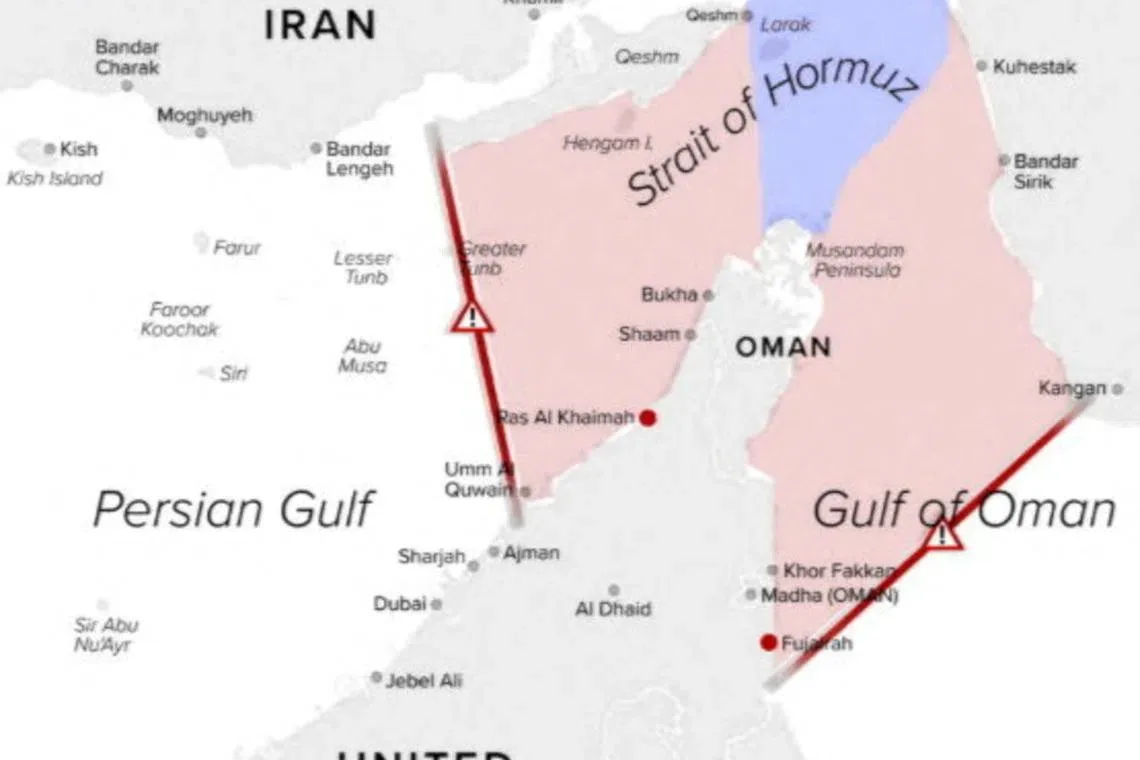
The Persian Gulf Strait Authority recently published a map reaffirming Iran’s claims to a wide stretch of water on either side of the strait between May 20 and May 27, further asserting control over the strategic passage [1, 2]. The closure of the strait and increased insecurity around it have disrupted regional energy flows and raised global oil prices, shipping, and insurance costs [3].
A ceasefire was established on April 8, 2026, through mediation by Pakistan and was later extended by U.S. President Donald Trump, but tensions remain [3]. The US sanctions on the Persian Gulf Strait Authority mark the latest step in efforts to cut Iranian military funding and pressure Tehran amid ongoing hostilities.
The US Treasury Department’s designation took effect on May 27, 2026, signaling intensified economic measures targeting Iran's control of the vital Strait of Hormuz.