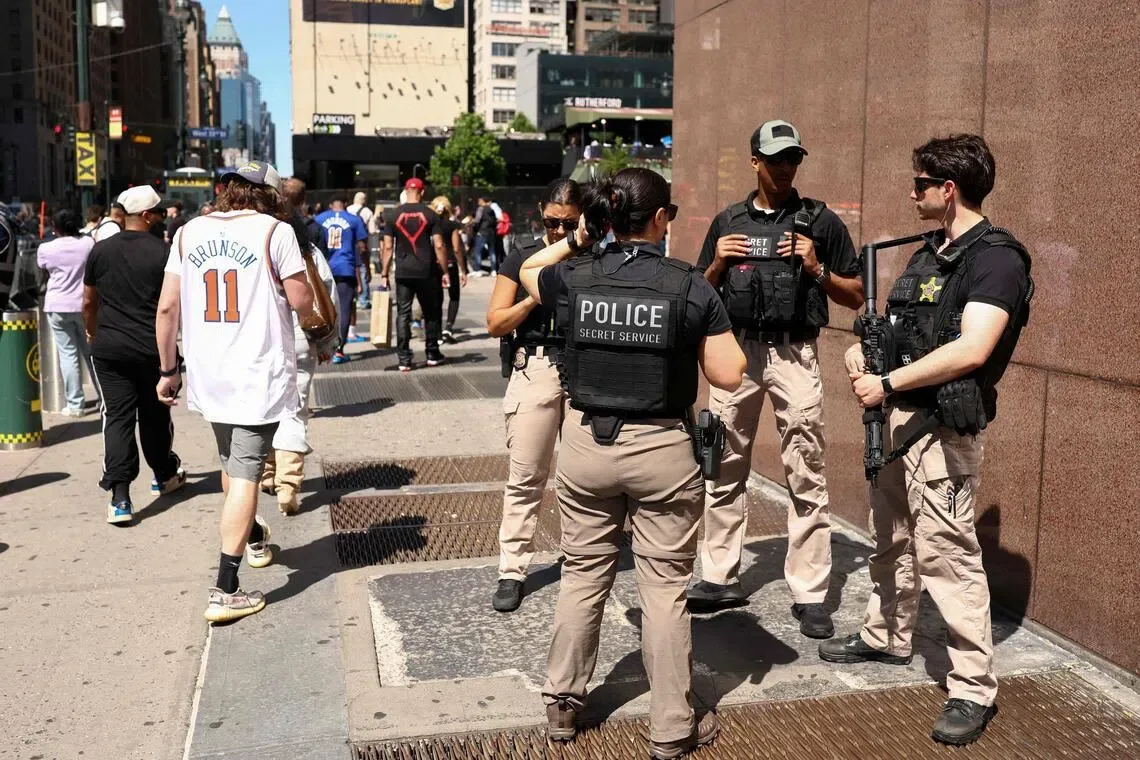
The US Secret Service started deploying an AI-based face-scanning mobile app named Sentry in mid-2026 to aid in identifying individuals and investigating potential threats [1, 2]. The rollout began several months after the agency finalized a deal to use the technology in May 2026 [1].
Currently, the app is in use by a small pilot group of 25 uniformed Secret Service police officers stationed in Washington, D.C. These officers mainly protect government buildings, foreign embassies, and the White House [1, 2]. The app uses a phone’s camera to scan a person’s face or fingerprints, then compares the images against extensive government databases to determine identities [1, 2].
Officers using Sentry are generally required to get consent from individuals before conducting scans, reflecting sensitivities around privacy [1]. The agency’s Deputy Director Matthew Quinn said the pilot responds to growing challenges in political violence and threat management. He stated, “These trends underscore the need for law enforcement at all levels to adopt responsible, forward-looking approaches that leverage emerging technologies and modern threat assessment capabilities to identify and mitigate risks before they escalate. At the same time, these efforts must be balanced with a commitment to protecting privacy, civil liberties and information security” [1].
Threat investigations by the Secret Service increased 40% in 2026 compared to the same period in 2025. Interventions involving individuals with suspected mental illness surged nearly tenfold in 2026 [1, 2]. These factors contributed to the agency's interest in deploying advanced identification tools.
Privacy advocates have criticized the use of facial-recognition technology, raising concerns about potential abuses and civil rights violations [1, 2]. The agency has stressed it aims to balance security needs with privacy protections during this pilot.
The Secret Service continues to monitor the pilot program’s effectiveness and its impact on threat detection. The next steps will likely involve evaluating expanded use or adjustments based on feedback from officers and privacy assessments [1, 2].