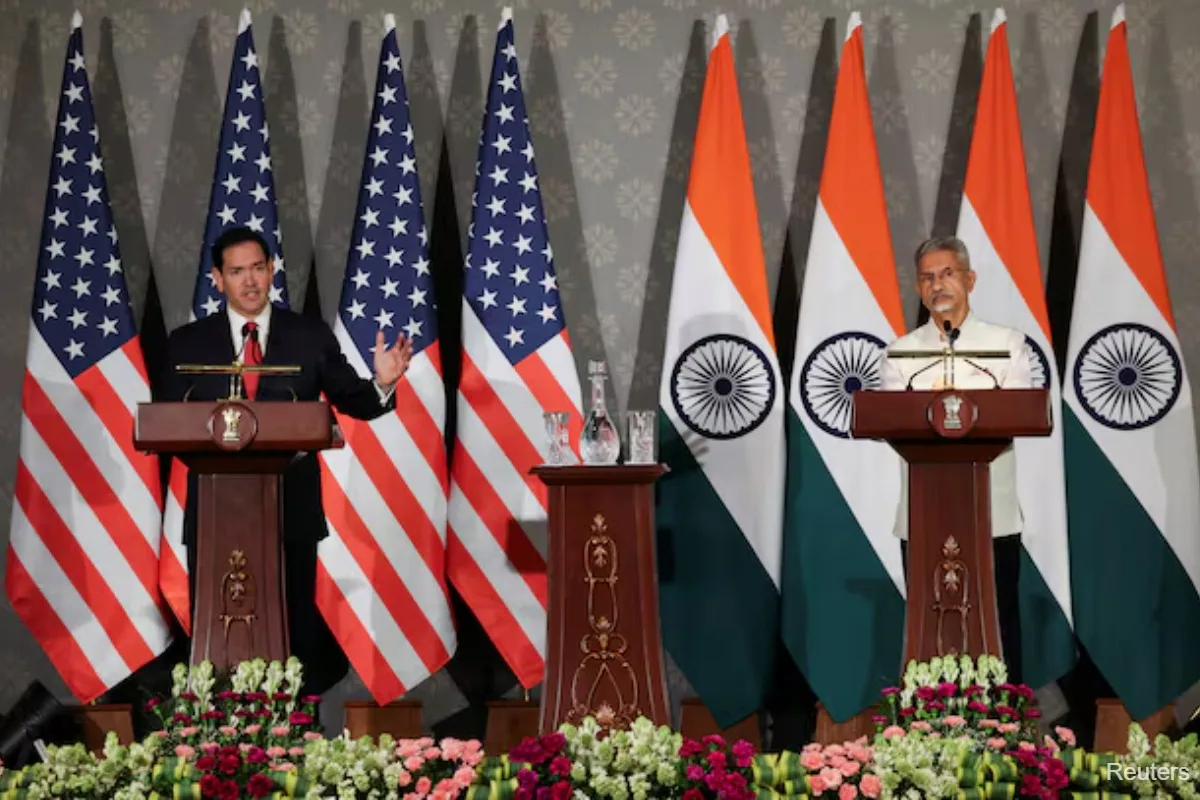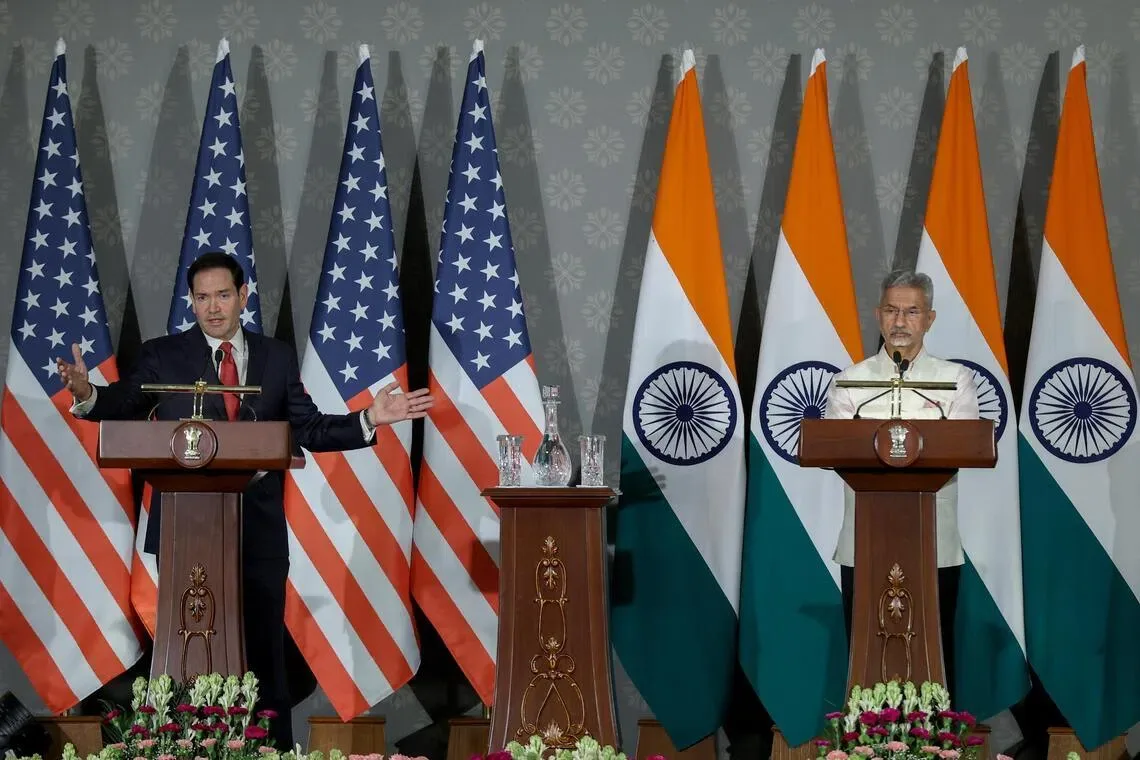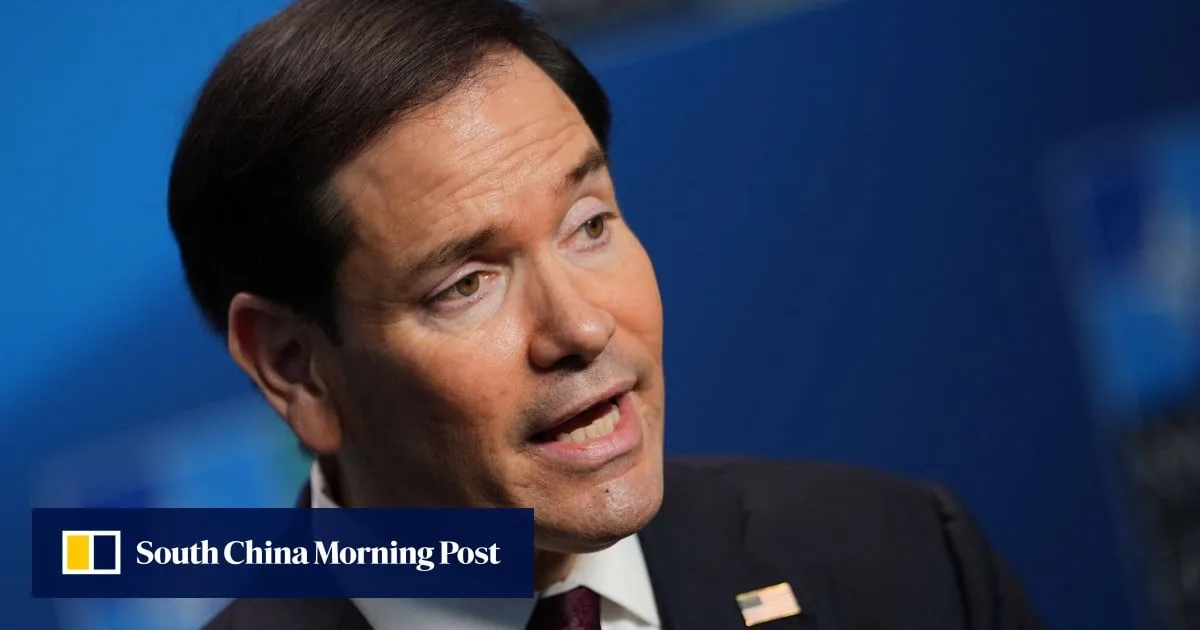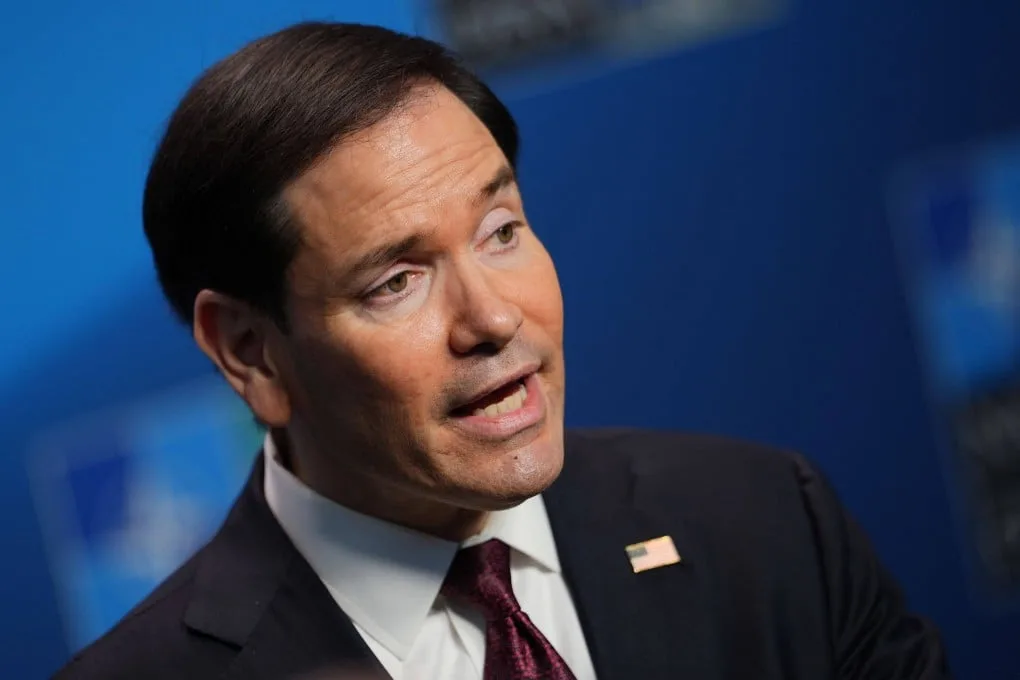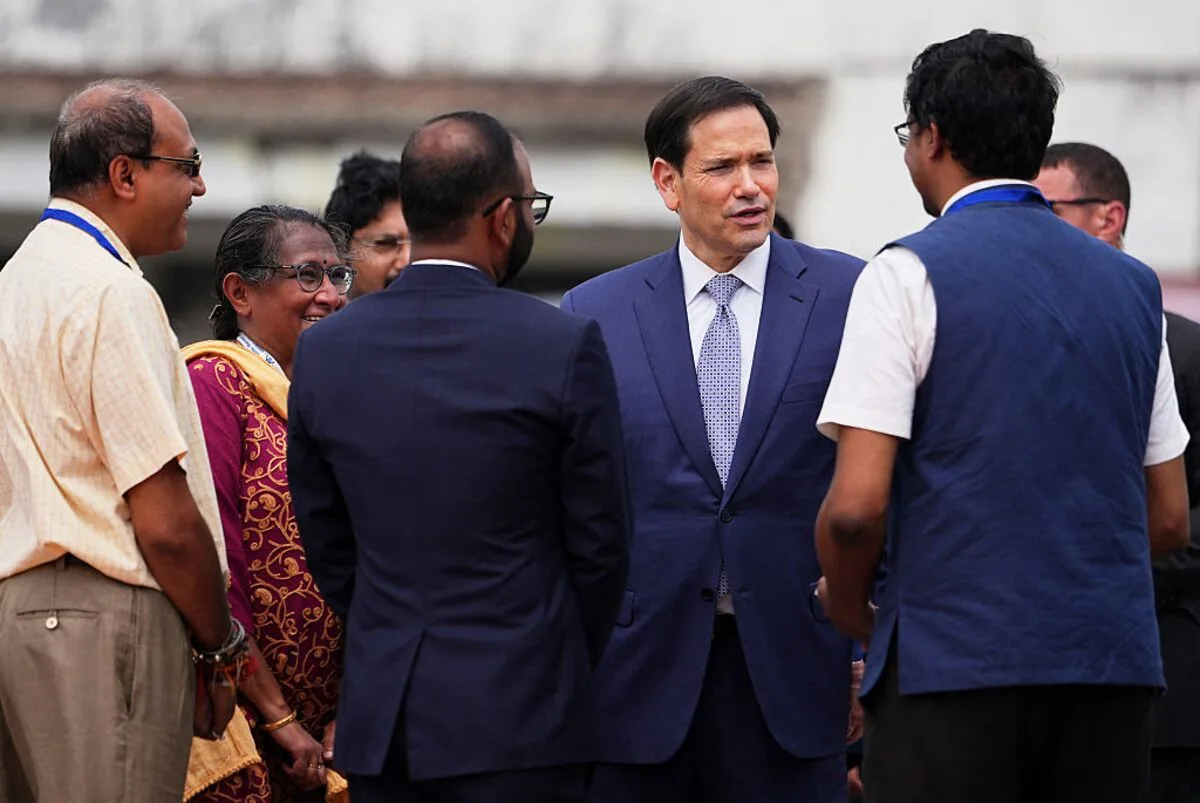
US Secretary of State Marco Rubio visited India from May 23 to May 26, 2026, holding talks in Kolkata, Agra, Jaipur, and New Delhi [1, 2, 3, 4, 5]. His visit focused on strengthening energy security, trade, defense cooperation, maritime security, and resolving visa-related concerns amid global tensions caused by the Iran war and high oil prices [6, 1, 2, 7, 8, 5].
Rubio met with Indian Prime Minister Narendra Modi and Foreign Minister Subrahmanyam Jaishankar during the visit. He described the relationship as "at the cornerstone of our approach to the Indo-Pacific" and called India "one of our most important strategic partners in the world" [2, 4, 9, 10, 8]. On behalf of President Donald Trump, Rubio invited Modi to visit the White House soon, with US ambassador Sergio Gor confirming the invitation [9, 10].
The two sides agreed to deepen trade and defense cooperation and speed collaboration on critical and emerging technologies [9]. Discussions included progress toward stabilizing the Strait of Hormuz shipping route and efforts to resolve the Iran conflict, a key issue amid soaring energy prices and regional instability [2, 8].
Indian officials raised concerns about US visa crackdowns affecting legitimate travelers and technology cooperation. Foreign Minister Jaishankar stressed, "While we cooperate to deal with illegal and irregular mobility, our expectation is that legal mobility should not be adversely impacted as a consequence" [7]. Rubio responded that immigration reforms address a US-wide "migratory crisis" and are not India-specific [7].
Rubio visited Mother Teresa's charity headquarters in Kolkata and prayed at her tomb, adding a cultural element to the trip [4]. Before arriving in India, Rubio attended a NATO foreign ministers meeting in Sweden on May 22, where he discussed increased defense investment and burden sharing [1, 5].
The US government also extended a 30-day sanctions waiver allowing Russian seaborne oil imports to continue, aiding countries like India facing energy disruptions amid the Iran war [3]. Relations between Donald Trump and Narendra Modi have fluctuated in recent years due to tariffs—previously reaching up to 50% on Indian goods—and differing strategies on China [1, 11, 3, 12].
Rubio planned to attend a Quad meeting in New Delhi on May 26 with the US, India, Japan, and Australia to discuss regional security and supply chain issues [1, 3, 4, 9].