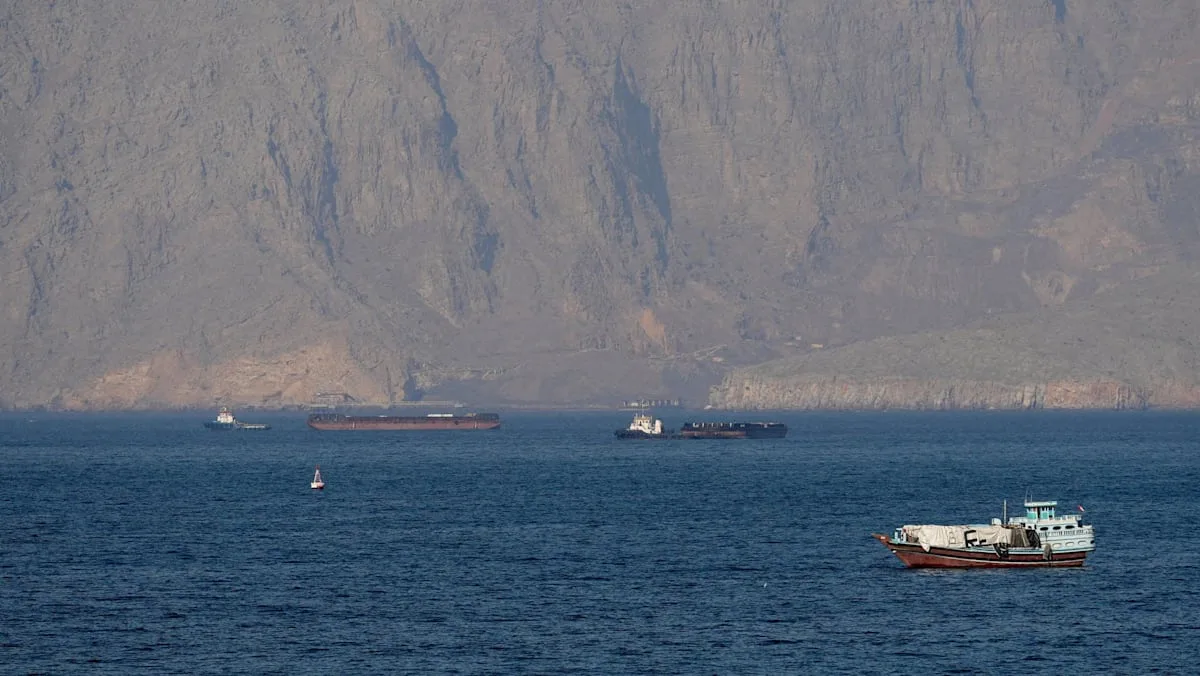
US Secretary of State Marco Rubio accused Iran of leveraging control of the Strait of Hormuz amid heightened tensions in the Middle East. He called on other nations to increase pressure to protect global shipping security, stressing the strait remains vital for about 20% of the world's oil and gas supply [1, 2, 3, 4].
Two oil tankers exploded and lost power while navigating the less secure southern route of the Strait of Hormuz near Oman on July 19. Iran's Revolutionary Guard blamed the incidents on US encouragement, asserting the southern route remains unsafe as long as US military actions persist [1, 5].
Rubio warned on July 22 at the ASEAN Foreign Ministers Meeting in Manila that Iranian control of the strait would set a dangerous precedent. He said, "If a sovereign nation can decide to control an international waterway, charge passage fees, and threaten to blow up ships if fees aren't paid, that sets an extremely dangerous precedent" impacting navigation freedom globally, including Southeast Asia [6, 7, 8, 9].
Rubio added, "It's clear that Iran, at least some people in Iran, want to control the strait and hold that as leverage against the world" [10]. He emphasized the US will continue safeguarding maritime trade but urged other countries to contribute hardware or financial resources to share the burden [1, 2, 3, 10].
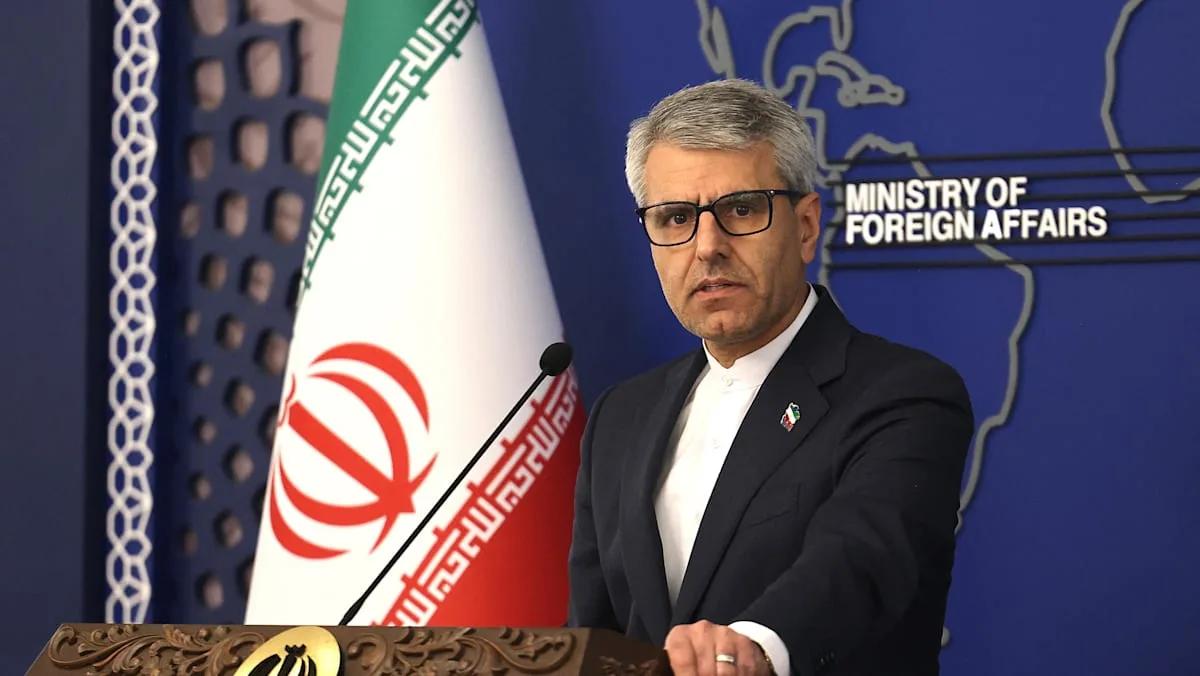
He also stated the US remains open to diplomatic talks if Iran negotiates sincerely and complies with agreements but warned of necessary measures if it does not [2, 3, 10, 4]. Meanwhile, Iran's Foreign Ministry spokesperson Bagheri rejected a binary view of war or diplomacy, saying, "Diplomacy is a tool for Iran to pursue national interests, as is war" [11].
The recent tension escalated after US airstrikes against Iran lasted nine consecutive nights [9]. The next key diplomatic events or actions have yet to be disclosed publicly.