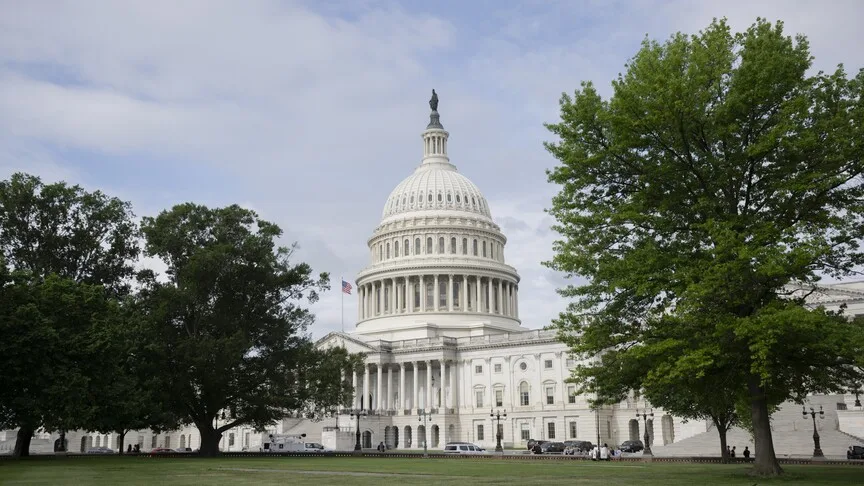
The US Senate voted 86-12 on July 29 to advance a bipartisan bill imposing sanctions on Russian officials, oligarchs, financial institutions, and its shadow fleet used to evade oil export restrictions [1, 2]. The legislation, named after the late Senator Lindsey Graham, a vocal ally of Ukraine who died earlier in July 2026, also expands sanctions targeting Iran's energy and weapons funding at President Trump's request [3, 1, 2].
The bill authorizes President Trump to impose tariffs of up to 100% on major purchasers of Russian energy, including China, India, Japan, and some European countries [3, 1]. Some Democrats voiced concerns over the tariff provisions, warning it gives Trump broad authority that could raise import costs and negatively affect US-European relations. Representative Gregory Meeks said, "This is not so much a sanctions bill as it is a massive backdoor authority for President Trump to impose more tariffs, including on our European allies, that hurt American families" [3].
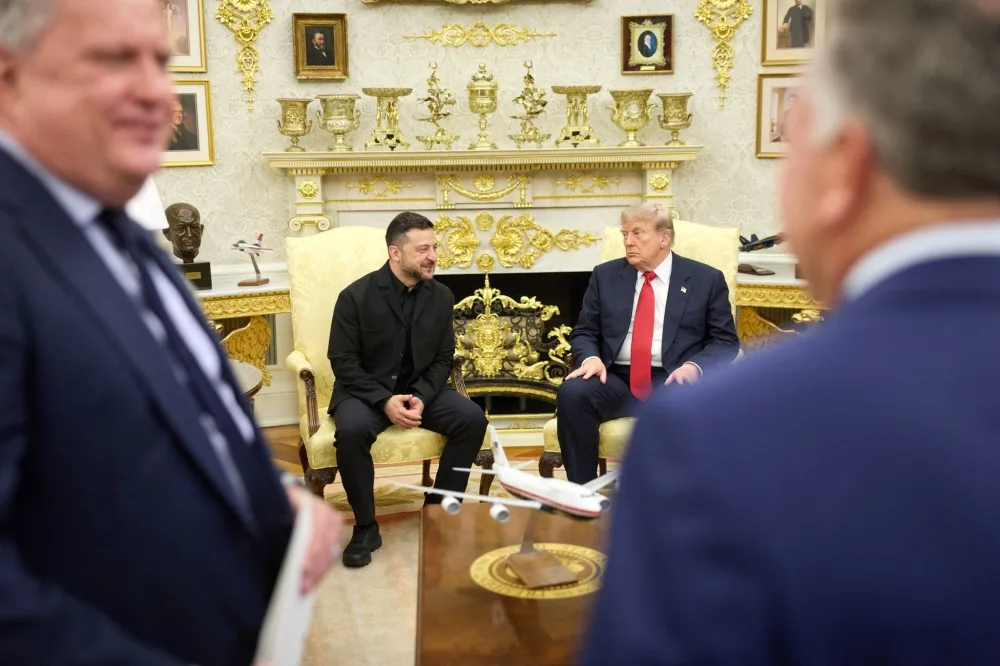
On the day of the Senate vote, Ukrainian President Volodymyr Zelensky visited Washington, attended Senator Graham's funeral, and watched the Senate proceedings from the gallery [3, 1, 2]. Six Republican and Democratic senators said, "There is no greater way to honor Senator Graham’s legacy than to move forward with this bipartisan agreement" [1].
The Senate began the voting process on July 28, coinciding with Zelensky's Capitol visit and Graham's funeral [3]. The bill's advancement now enables further debate, but the House of Representatives is unlikely to consider the measure before September 2026 due to its summer recess [3, 1].