The US Senate on May 19 advanced a war powers resolution that would require President Trump to obtain congressional authorization before continuing military operations against Iran, marking the first Senate action to limit Trump’s Iran war powers since the conflict began about 80 days ago [1, 2, 3, 4]. The vote was 50 to 47, with four Republican senators—Bill Cassidy, Susan Collins, Lisa Murkowski, and Rand Paul—joining Democrats to support the resolution [3, 5, 4]. Senator John Fetterman was the only Democrat to oppose it [3].
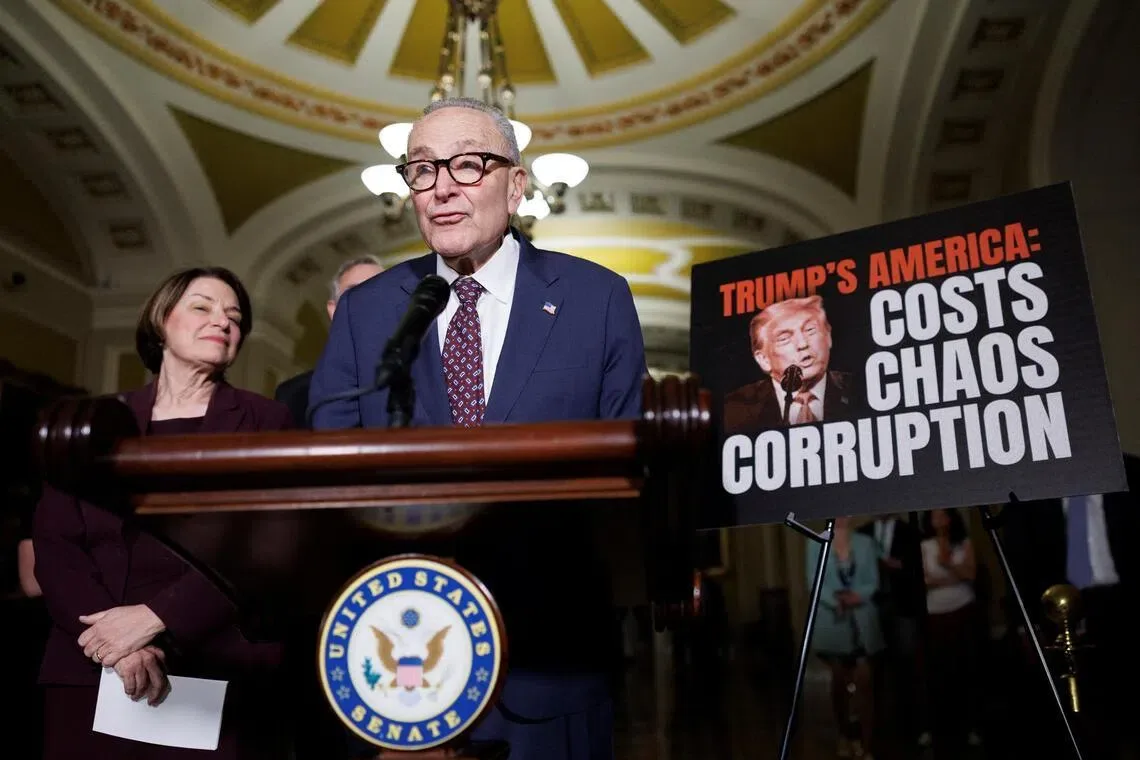
Senator Tim Kaine, who sponsored the resolution, urged the chamber to debate the bill fully, saying, "That's the perfect time to have a discussion before we start up war again. The president is receiving peace and diplomatic proposals that he is throwing into the trash can without sharing them with us" [3, 6]. Senate Minority Leader Chuck Schumer added, "This president is like a toddler playing with a loaded gun. If there was ever a time to support our war powers resolution to withdraw troops from hostilities with Iran, it’s now" [2]. Murkowski said, "We're in a different place than we were last time we voted on this" [7].
The 1973 War Powers Act requires the president to seek congressional approval for military engagements lasting longer than 60 days, a deadline passed during the Iran conflict which began in late February 2026 with US and Israeli strikes against Iran [3, 5, 4, 6]. President Trump’s administration disputes that the Act applies, arguing a fragile ceasefire declared in early April paused the 60-day limit [5].
The conflict has cost more than US$30 billion, straining US weapons stockpiles and raising military readiness concerns [2]. Despite Senate advancement, the resolution faces major obstacles. The Republican-controlled House of Representatives was set to vote on a similar resolution May 21 but canceled the vote due to expected insufficient support caused by Republican absences [8, 9, 10]. House Democrats accused Republican leaders of blocking bipartisan efforts to end the conflict [9]. Representative Gregory Meeks said, "We had the votes without question, and they knew it" [8]. Brian Fitzpatrick predicted, "The next time they bring it, it’s passing" [9].
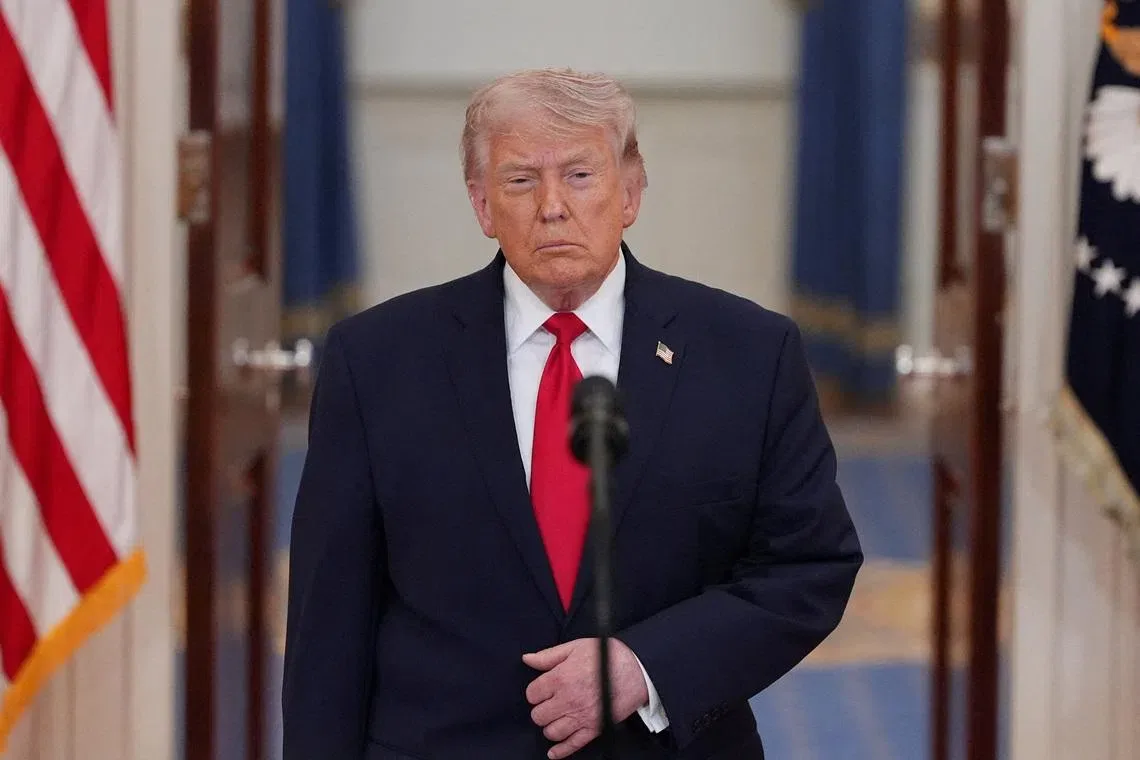
If the resolution passes both chambers, it faces a likely veto from President Trump [3, 4]. The next significant milestone is whether House leaders schedule a new vote on the war powers limitation, anticipated amid growing bipartisan pressure.