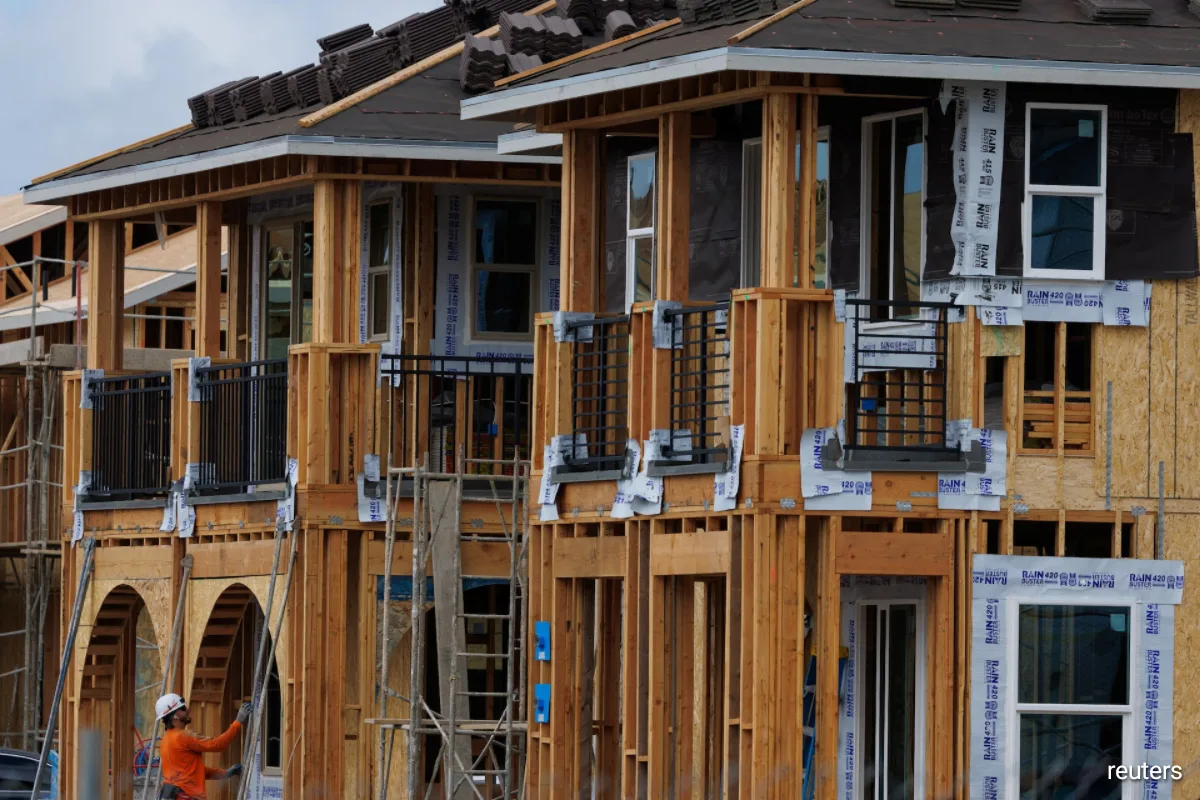
The US Senate passed the bipartisan 21st Century ROAD to Housing Act on June 22 by a vote of 85-5, and the House followed with a 358-32 approval on June 23 [1, 2, 3, 4, 5, 6, 7, 8, 9, 10]. President Donald Trump is expected to sign the bill into law on June 24 [3, 4, 6, 7, 8, 9, 10].
The law aims to lower housing costs by expanding supply through streamlining construction and permitting, waiving some environmental reviews, and encouraging local governments to remove building barriers [1, 2, 3, 6, 7, 8]. It restricts institutional investors and private equity firms from purchasing more than 350 single-family homes, though firms are not forced to divest existing properties [1, 2, 5, 8, 9]. Senator Elizabeth Warren said the bill stops private equity from "turn[ing] us from a nation of owners to a nation of renters" and called it historic in addressing the housing crisis [1, 5, 8]. Senator Tim Scott remarked it resulted from "years of work to lower costs, expand housing supply, cut red tape, protect taxpayers, and help more Americans achieve the dream of homeownership" [1].
The legislation combines about 36 Senate and 11 House housing measures into one package [2, 5]. It includes pilot programs, federal block grants tied to housing construction, and funds helping communities redevelop vacant properties or reform zoning laws [3, 5, 8, 9]. The bill also eases regulations on manufactured housing by simplifying definitions and speeding approval of factory-built homes [1, 2, 5, 6, 8].
The package does not directly address high mortgage interest rates or recent steep home price increases. The average 30-year fixed mortgage rate stood at 6.47% in May 2026, and rents have risen about 47% since the COVID-19 pandemic [2, 3, 5]. The median age of first-time homebuyers has risen to 40 years old [3].
Rep. Mike Haridopolos said the bill "focuses on a simple idea of building more homes, which means lower costs and more expanded opportunities for all Americans" [9]. Lawmakers view passage as a rare bipartisan achievement ahead of the November 2026 midterm elections [1, 3, 7, 9].
President Trump’s expected signing today will enact the bill into law, setting in motion its various programs and regulatory changes designed to increase housing supply and reduce costs nationwide [3, 4, 6, 7, 8, 9, 10].