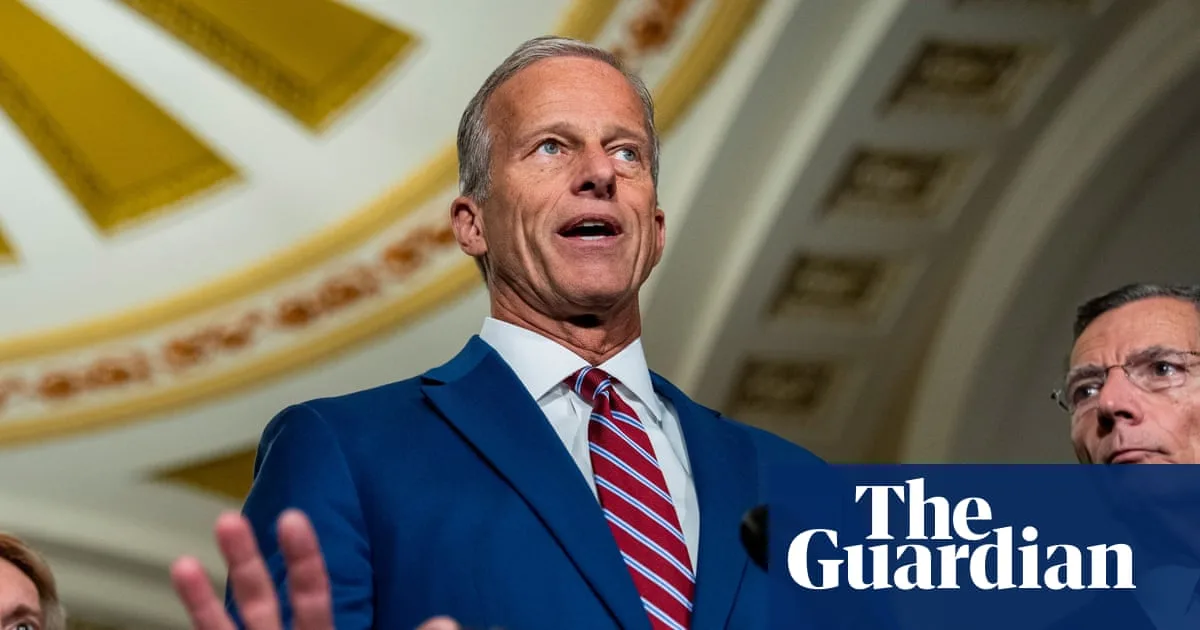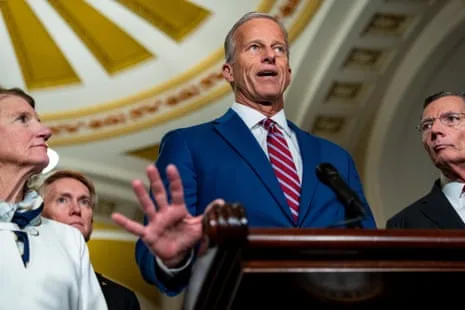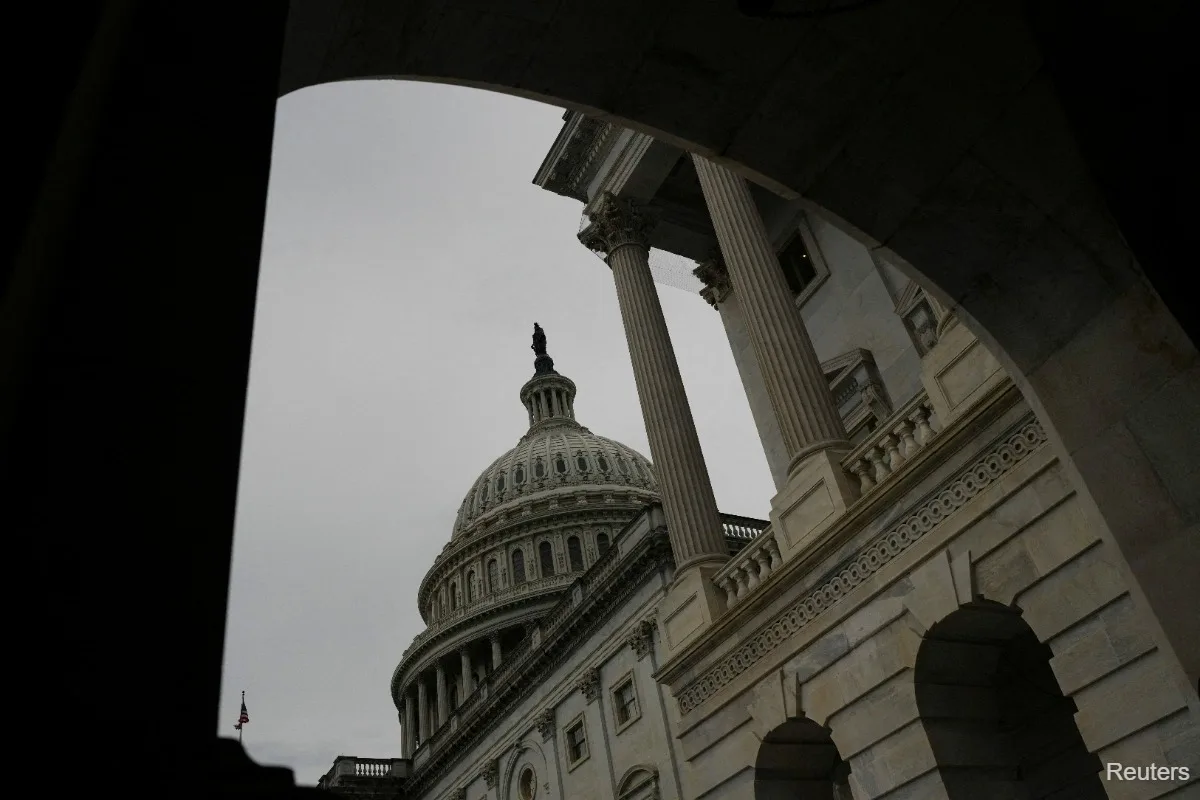
The US Senate passed a temporary government funding bill on August 8 by a vote of 90-6, with one senator voting present, to keep the government funded through December 11, 2026 [1, 2, 3]. The bill maintains current funding levels beyond the September 30 expiration date and extends coverage past the November 3 midterm elections [1, 4, 2].
The measure includes provisions blocking the Trump administration from reallocating funds from other programs to the Border Patrol, a move favored by Democrats [1, 4, 2]. It also temporarily halts a new Office of Management and Budget rule that would give political appointees more influence over hundreds of billions in federal grants [1, 4, 2].
A key provision delays by one month a federal ban on intoxicating hemp-derived products originally set to start in November 2026 [3, 5, 6]. The Senate rejected by a 61-32 vote an amendment to remove this delay, exposing divisions among Republicans on hemp regulation [3, 5, 6, 7]. Senator Rand Paul criticized the ban, calling the public reaction overblown and advocating for state-level regulation [3]. Senator Ted Budd argued the ban should proceed as scheduled and accused producers of marketing products appealing to children [3]. Some concerns about a conflict of interest involving the delay have been raised due to connections between Trump’s chief of staff’s family and the cannabis industry [3, 5, 6].
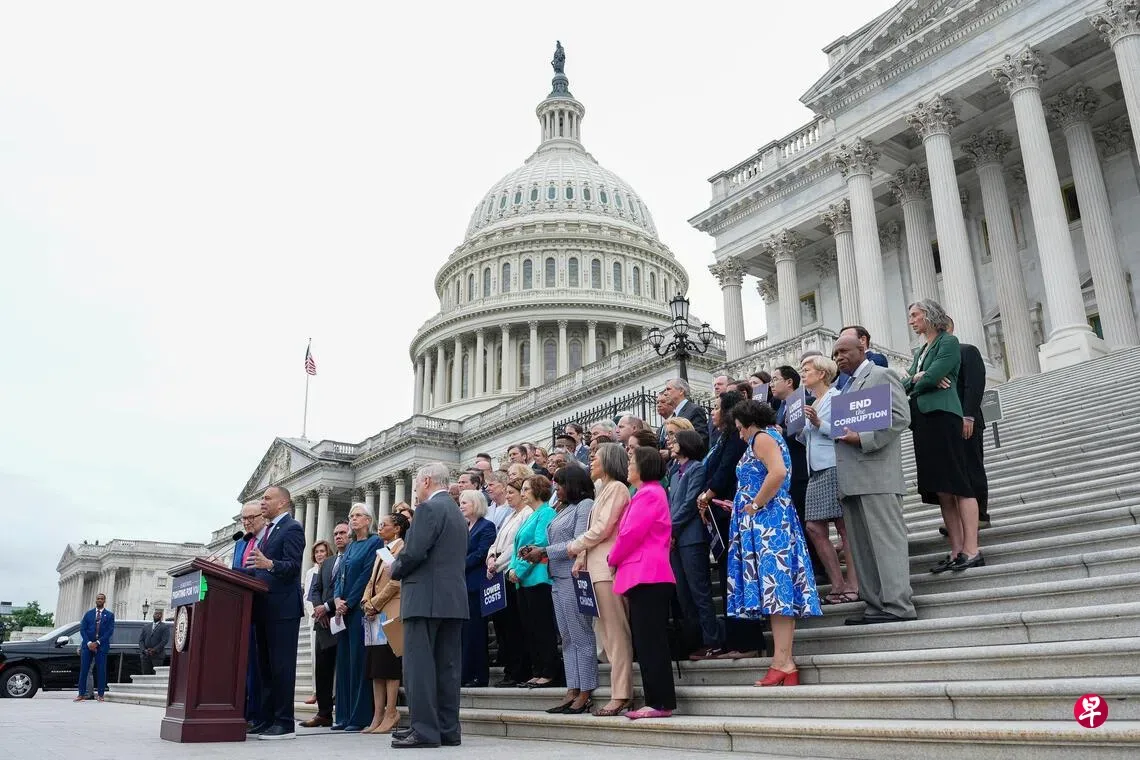
The bill also allows funding adjustments for housing and food assistance programs such as SNAP and WIC [4, 2]. Republican Senator Susan Collins, chair of the Senate Appropriations Committee, called the vote "a major step toward averting a damaging shutdown that only harms vital programs and federal workers" [1]. Democratic leaders Patty Murray and Chuck Schumer praised the bill for preventing a shutdown and protecting programs from politicized cuts [1, 8]. Schumer said the measure "gives us the breathing room necessary to work out a budget that helps make life more affordable to working families and reins in Trump’s rampant chaos" [1].
The Senate avoided controversial items such as emergency funding for a potential war with Iran and voter ID requirements in the bill [2].
The House of Representatives, controlled by Republicans, had passed a different short-term funding bill last month to fund the government only through December 4, 2026 [1, 9]. Both chambers must reconcile differences between their bills before September 30 to prevent a government shutdown starting October 1 [1, 10, 11]. The deadline looms as lawmakers work under pressure to approve a final funding package ahead of the November 3 midterm elections [1, 4, 8].