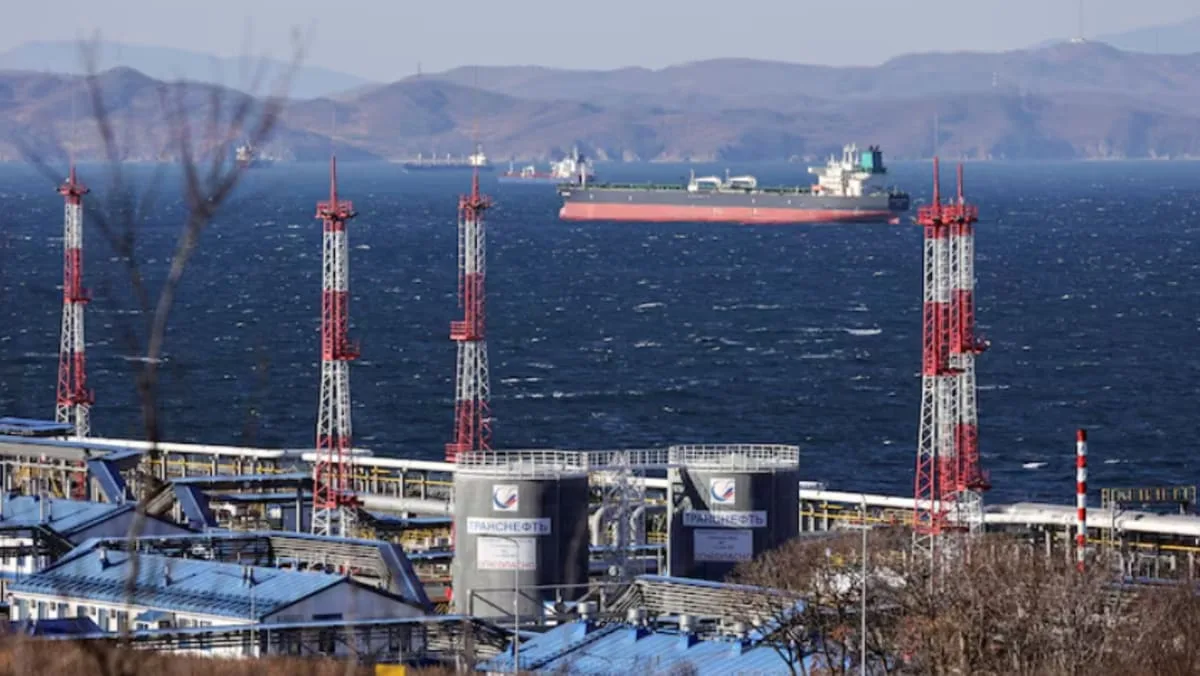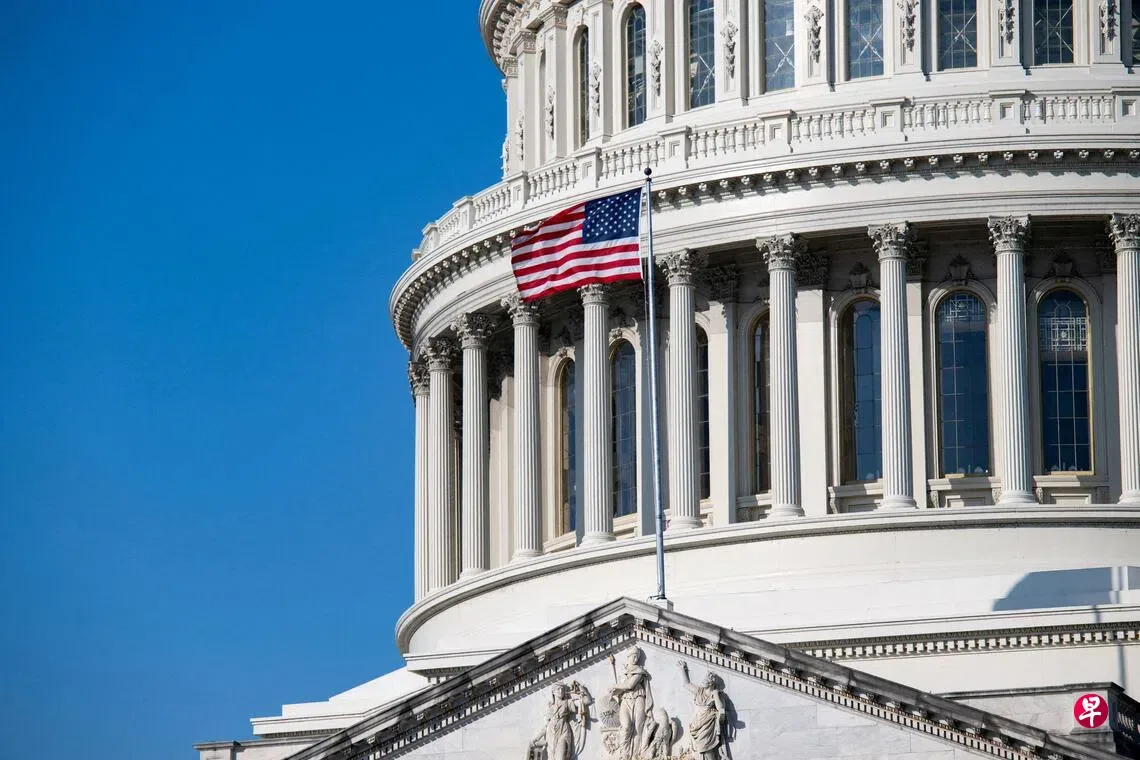
On August 7, 2026, the US Senate passed the Lindsey O. Graham Sanctioning Russia and Iran Act of 2026 with a vote of 86 to 11 [1, 2, 3, 4, 5, 6]. The bill authorizes sanctions on Russian officials and allows tariffs as high as 100% on the top five importers of Russian oil and gas, including China, India, Japan, and certain EU countries [1, 2, 3, 4, 5, 6]. It also extends sanctions on Iran’s energy and weapons programs at the request of former President Trump [1, 2, 5, 6]. The legislation targets Russia’s "shadow fleet" of ships used to evade sanctions on oil exports [3].
The bill is named after late Republican Senator Lindsey Graham, who died on July 11, 2026. Graham was a strong advocate for supporting Ukraine through sanctions and had visited the country shortly before his death [1, 3, 4, 5, 6]. Senator James E. Risch said the bill will "have a decisive impact beyond the battlefield by cutting off the funds that sustain President Putin’s war machine" [3]. Senator Richard Blumenthal described the new restrictions as "the most significant sanctions since Russia’s full-scale invasion of Ukraine in 2022" [5].
Despite bipartisan concerns about granting President Trump broad new tariff authority that could increase costs for US importers and consumers, the bill passed with strong support [1, 2, 4, 5, 6]. Senator Gregory Meeks criticized the bill as a "Trojan horse" for Trump's repeated abuse of economic tariffs [4]. China condemned the legislation, calling the unilateral sanctions illegal and warning the US not to "shoot itself in the foot," asserting it will take all necessary measures to protect its companies and citizens [6].
The bill now moves to the US House of Representatives for consideration, but its approval there remains uncertain. The House is unlikely to take up the measure before its September recess ends [1, 2, 3, 4, 5, 6].