The US Senate passed a resolution to suspend senators' pay during government shutdowns. The measure, introduced by Senator John Kennedy, R-La., passed by voice vote or unanimous consent around May 13-14, 2026, and is set to take effect after the November 2026 midterm elections [1, 2, 3, 4].
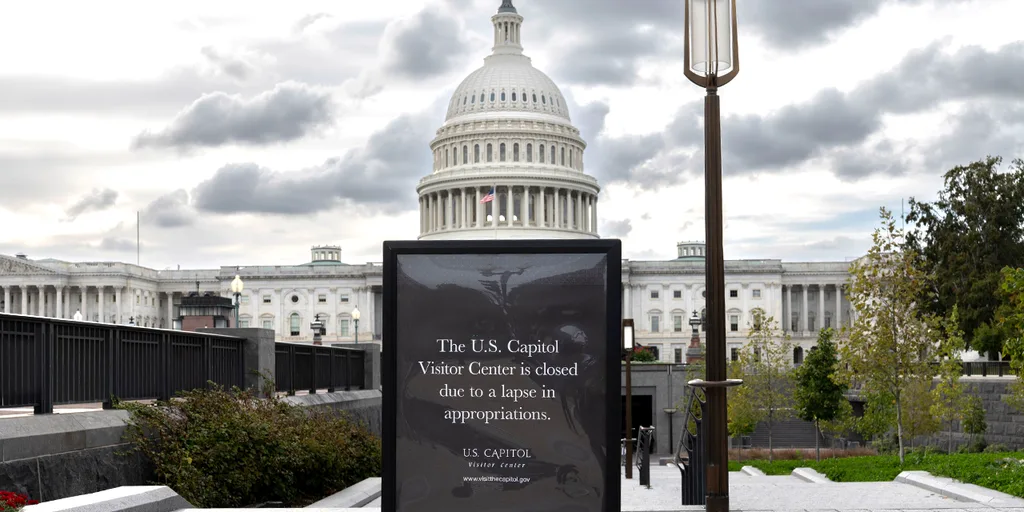
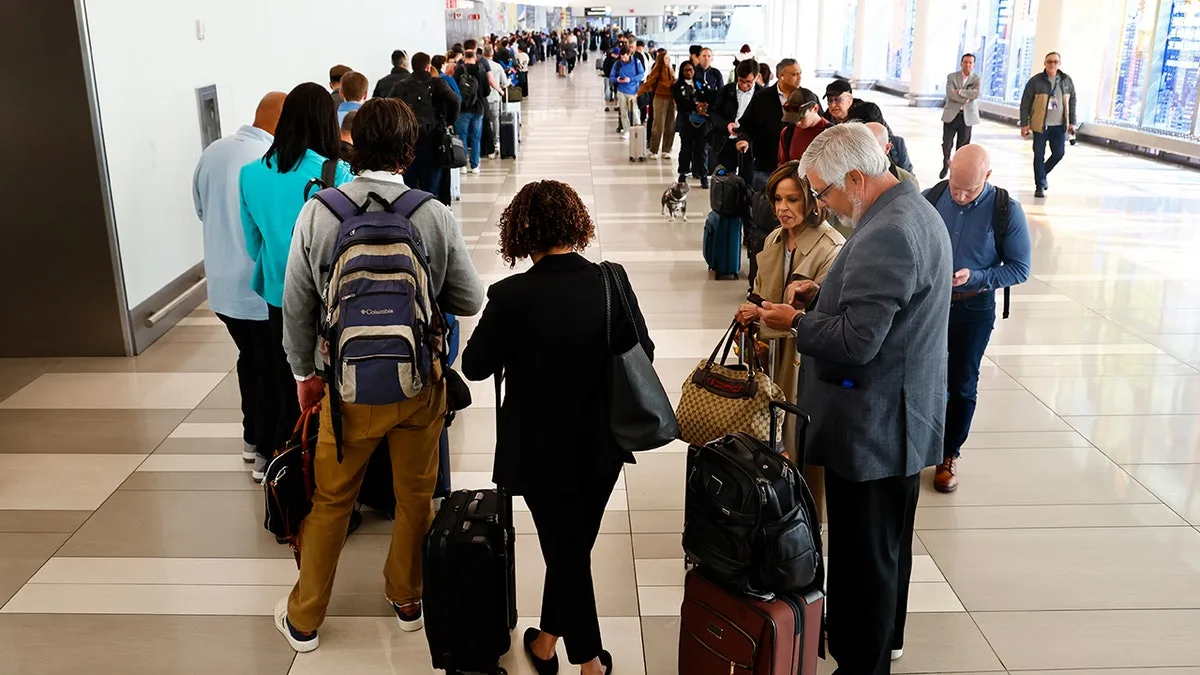
Under the resolution, senators would have their pay withheld during any federal government shutdown until the standoff is resolved. Currently, while federal workers face unpaid furloughs during shutdowns, senators continue to receive their salaries, which the resolution aims to change [1, 2, 3, 4, 5].
Only Senate members' pay is affected. The resolution does not apply to House members or other federal employees [2, 3, 4]. Rank-and-file senators earn about $174,000 annually, while party leaders make over $193,000 per year [2, 3, 4].
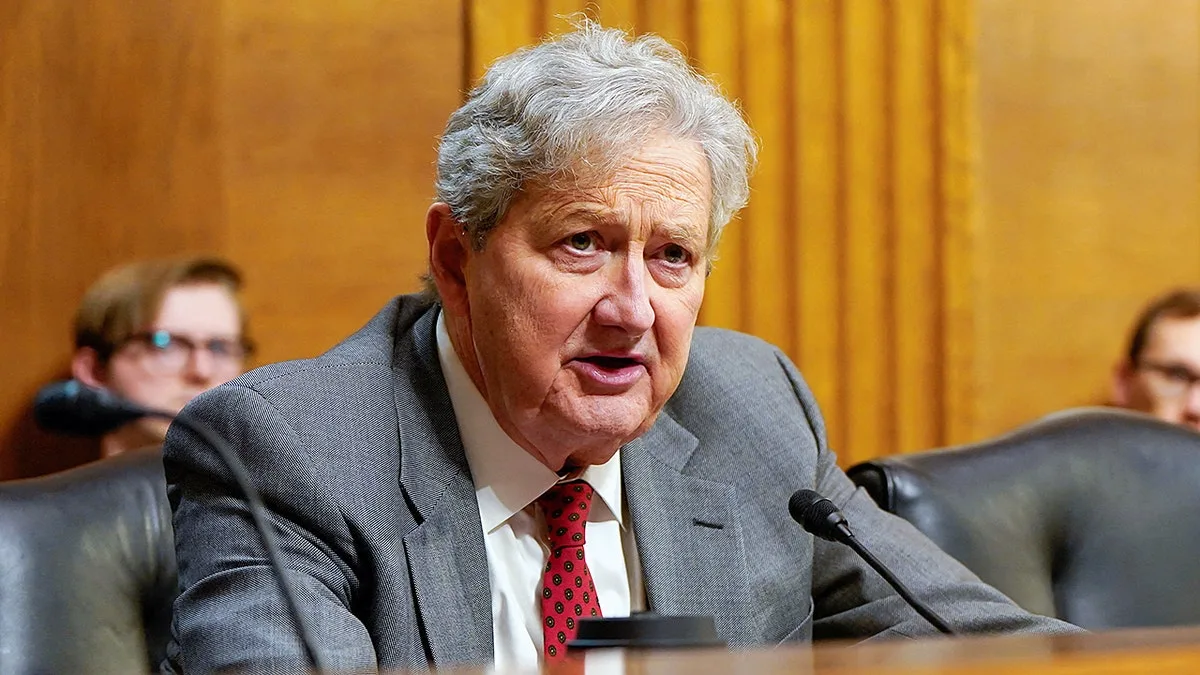
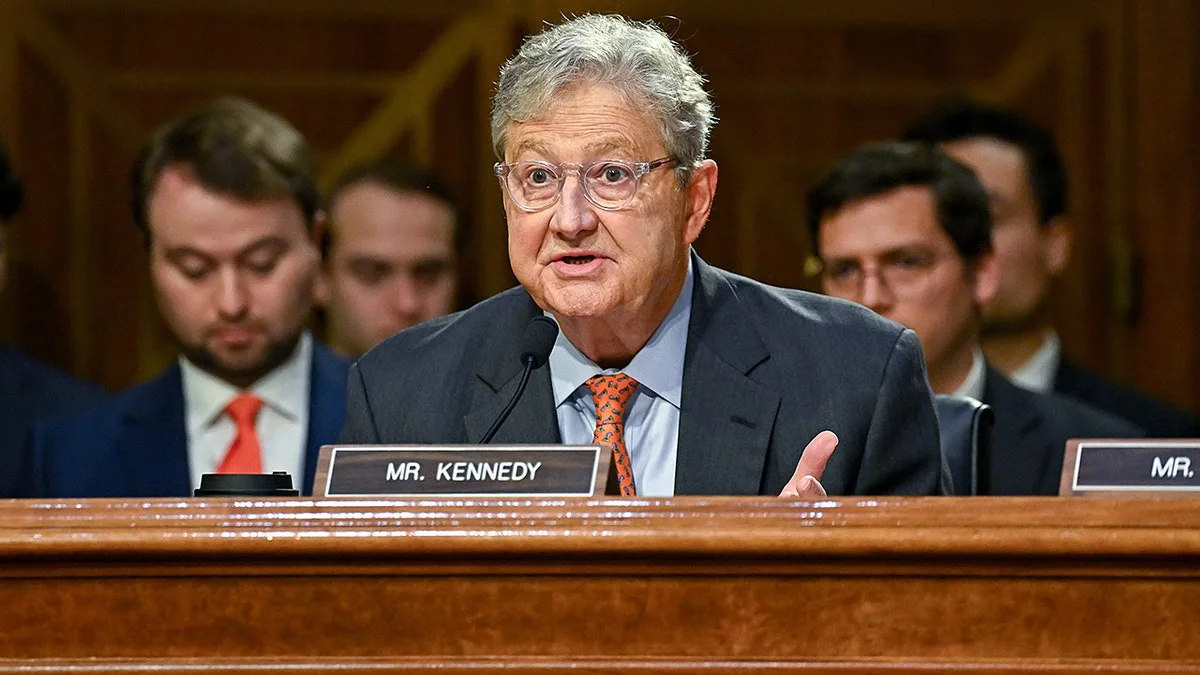
Senator John Kennedy said, "If senators are going to vote to shut down the government and prevent millions of federal workers from getting paid, they ought to have the same skin in the game. My resolution will ensure that senators aren’t the only people receiving their paychecks during a government shutdown" [1]. He also expressed urgency, saying he wished the resolution could take effect immediately to prevent shutdown attempts before the elections [3].
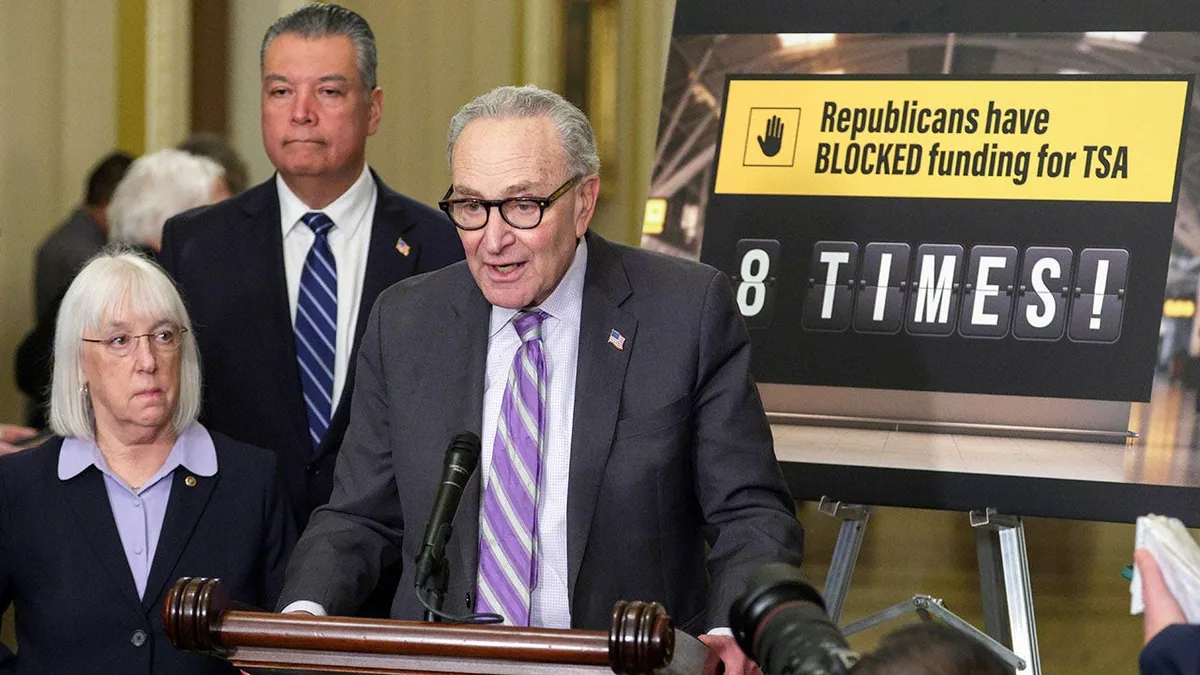
Senate Majority Leader John Thune, R-S.D., supported the resolution setup and argued it could discourage shutdowns. "And if this — passing this and applying it to senators, maybe it will provide an additional incentive to prevent Senate Democrats in the future from shutting the government down again," Thune said [6, 2, 3]. Senate Minority Leader Chuck Schumer, D-N.Y., said he would vote for the measure and recognized its broad support [2, 3].
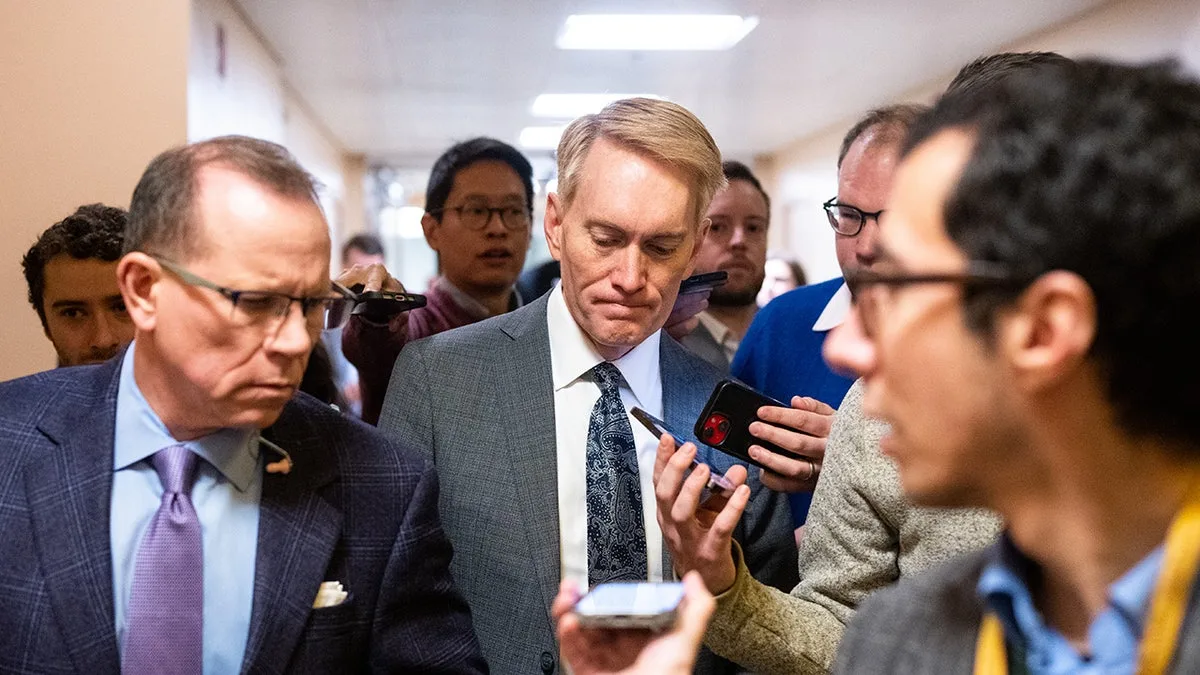
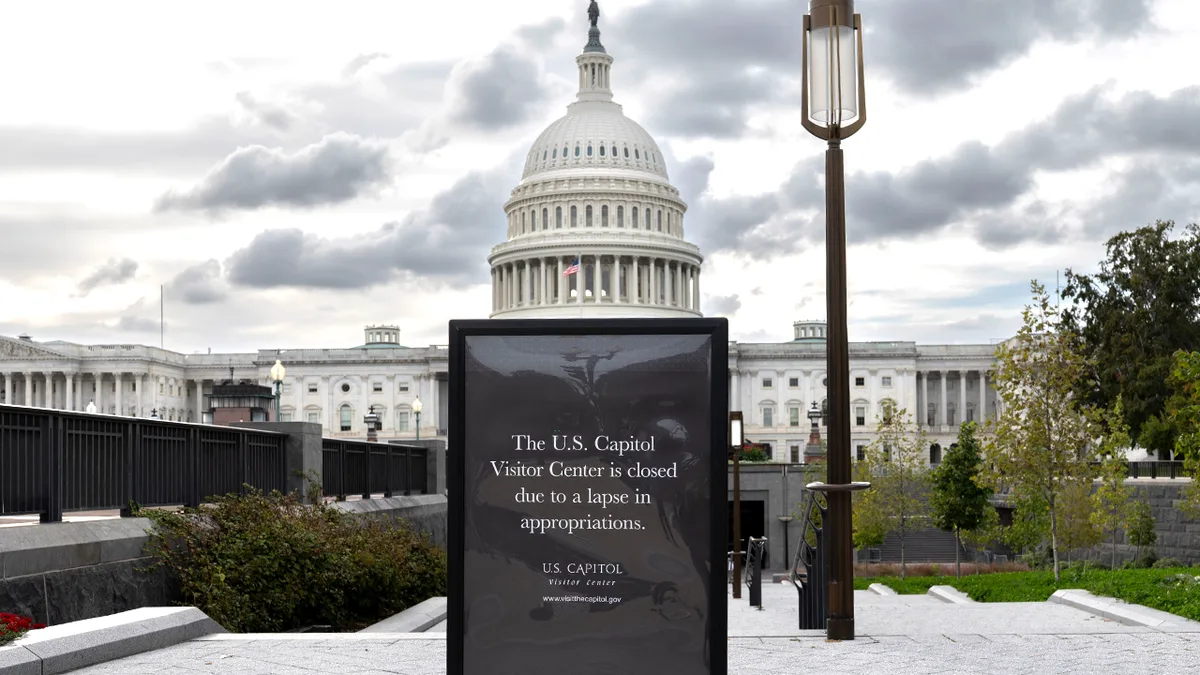
The resolution responds to past long shutdowns, including a 43-day shutdown and a 76-day partial shutdown, the longest in US history [6, 2, 4, 5]. Senators tend to be wealthy, meaning the salary withholdings may not affect all equally. Senator James Lankford noted, "There are some members who are very independently wealthy that their congressional paycheck is a rounding error to their investments. Fine, I’m not pejorative of that at all. But we need to actually end government shutdowns" [5].
Other related legislation includes Sen. Ron Johnson’s bill to pay federal workers during shutdowns and Sen. James Lankford's proposal to automatically extend funding temporarily to avoid shutdowns entirely [6, 4, 5].
The Senate returned on May 14 and Majority Leader Thune set up the vote on Kennedy's resolution [6]. After receiving unanimous consent or voice vote approval by May 14, the resolution now awaits implementation following the November 2026 congressional elections [1, 2, 3, 4].