The US Senate unanimously passed a non-binding resolution on July 29 opposing any presidential pardon or clemency for Ghislaine Maxwell, who is serving a 20-year prison term for sex trafficking crimes connected to Jeffrey Epstein [1, 2, 3].
Maxwell, 64, was convicted by a federal jury in December 2021 on charges including sex trafficking and conspiracy related to minors, and sentenced in June 2022 to two decades behind bars [2, 3]. The US Supreme Court rejected her final appeal in October 2025, sealing her conviction [1, 2].
Democratic Senator Jacky Rosen of Nevada introduced the resolution, condemning any notion of clemency. Rosen stated, “It’s frankly horrifying that Trump would entertain the idea of clemency for even a second for a convicted sex trafficker” and emphasized that Maxwell should receive no special treatment [1, 3].
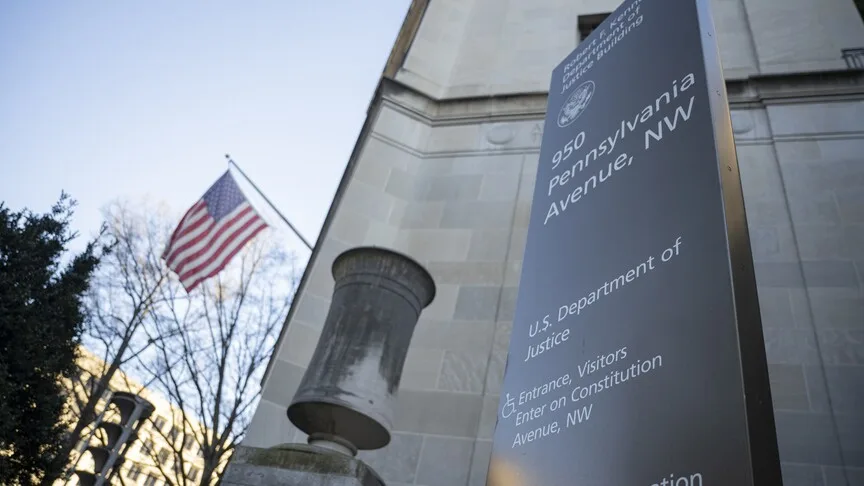
Acting Attorney General Todd Blanche confirmed that the Justice Department would not recommend clemency for Maxwell [2, 3]. President Donald Trump has not ruled out a pardon but has made conflicting public remarks about considering such clemency, without actively pursuing it [1, 2, 3].
Earlier this year, Maxwell appeared via video before the House Oversight Committee, invoking the Fifth Amendment and refusing to answer questions [1, 2].
The Justice Department has released a massive trove of evidence related to the Epstein case, including over 3 million pages of documents, 2,000 videos, and 180,000 images under the Epstein Files Transparency Act [3]. Epstein died by suicide in a New York jail in 2019 while awaiting federal sex trafficking charges [2, 3].
The Senate’s resolution represents a clear signal against any presidential attempt to pardon Maxwell. The next potential development will be any formal presidential decision regarding clemency, which remains uncertain.