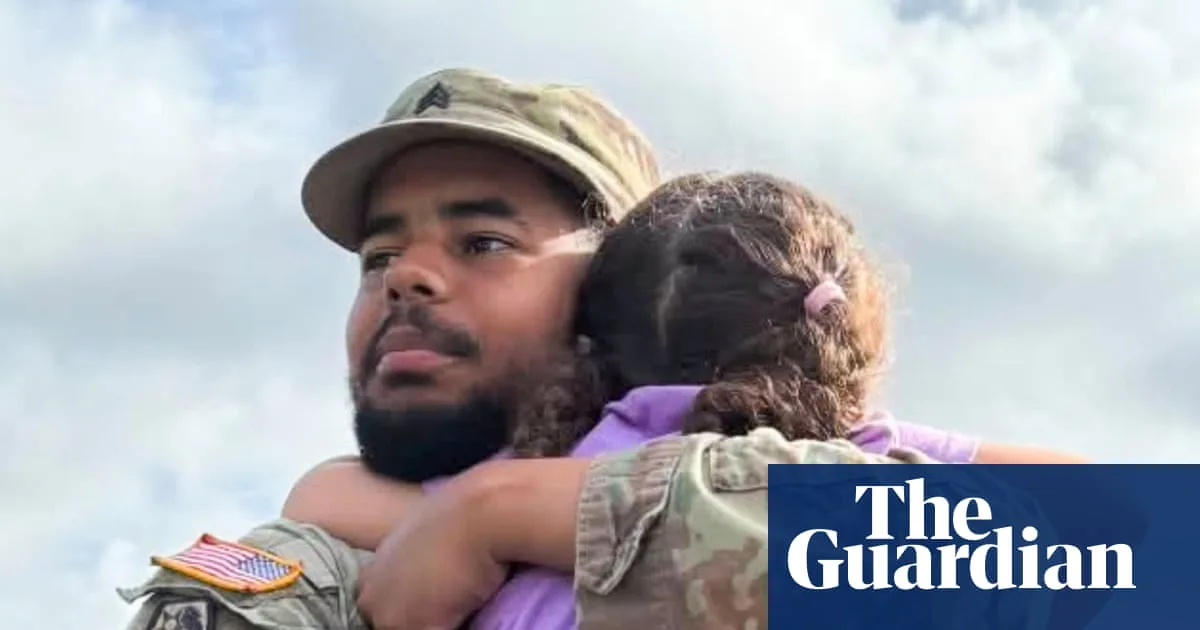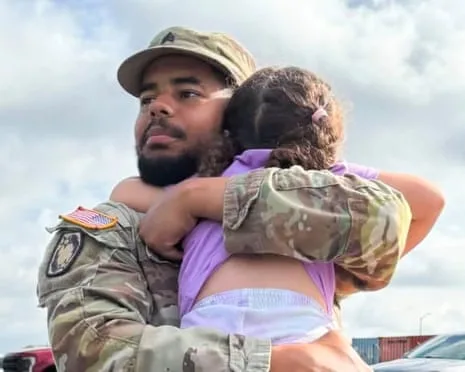
A US soldier was killed on July 18, 2026, in northern Iraq while carrying out a controlled detonation of unexploded ordnance from a downed Iranian attack drone. The soldier killed was Sgt. Michael Emmanuel Swinton, 30, from Fayetteville, North Carolina, military officials confirmed on July 21-22 [1, 2, 3, 4, 5, 6, 7, 8, 9]. A second soldier was injured during the disposal operation.
This death adds to the rising toll in the escalating conflict between the US and Iran. Two other US soldiers were killed one day earlier on July 17 in Jordan amid Iranian ballistic missile and drone attacks. Another service member initially went missing but remains believed to have been recovered from southern Jordan on July 19 [1, 2, 3, 4, 6, 8].
Since the US and Israeli campaign against Iranian targets began on February 28, 2026, the total number of US service members killed has reached 17 according to several sources, while one report cites 18 fatalities [1, 2, 3, 4, 6, 10, 11]. Injuries to US personnel number 447. The campaign has cost approximately $37.5 billion [11].
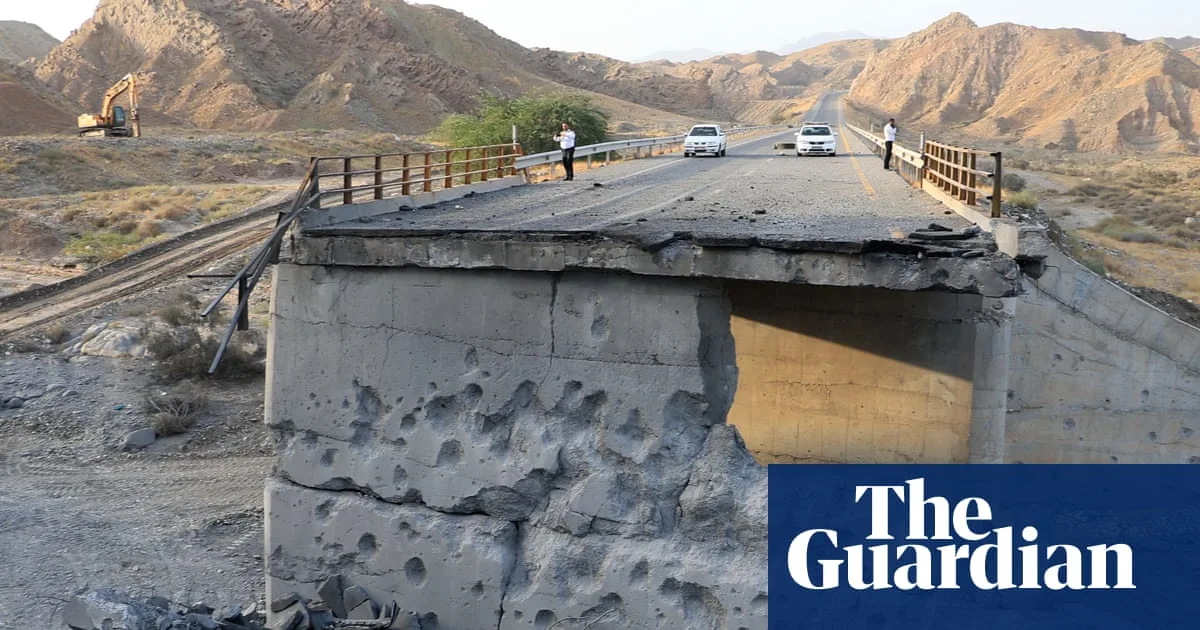
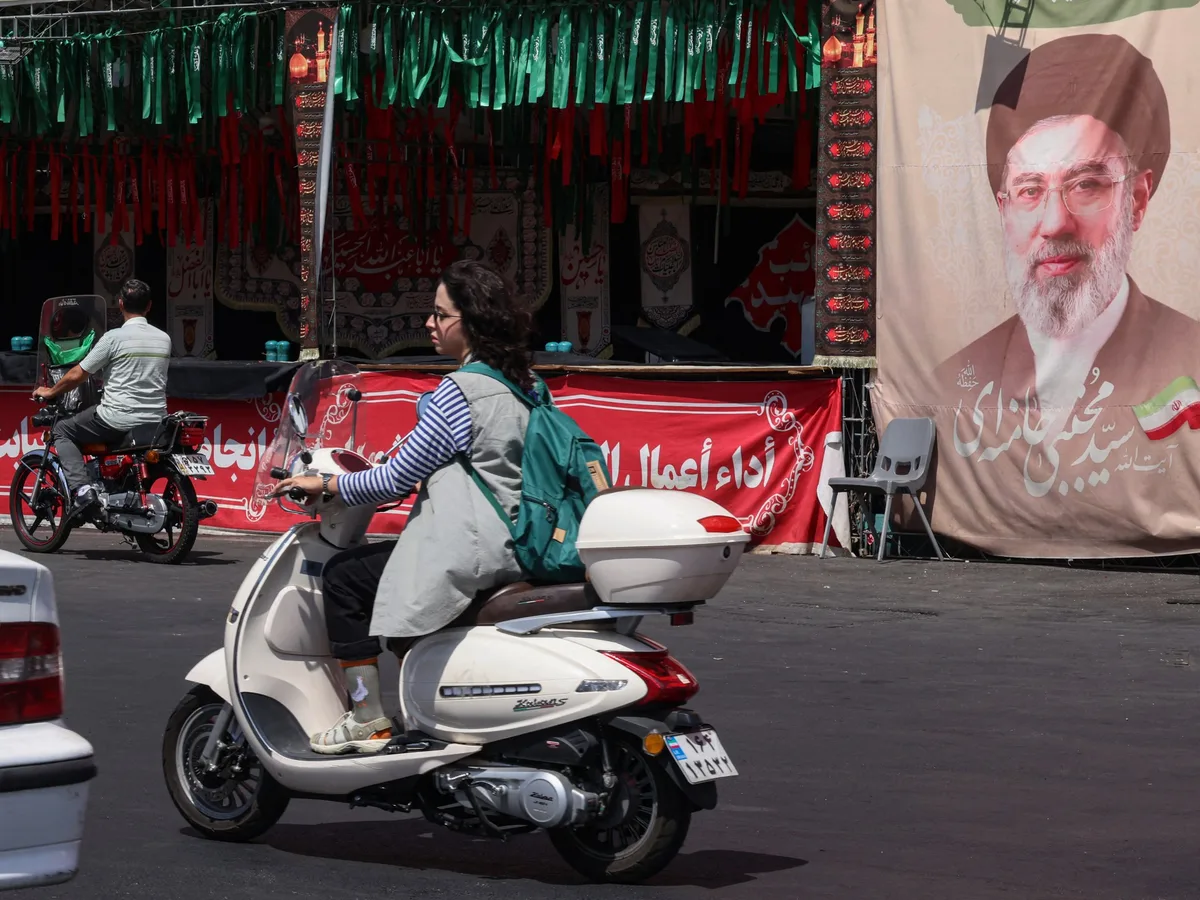
US Central Command said recent strikes targeted Iranian Revolutionary Guard Corps facilities, including coastal surveillance, air defense, missile sites, and drone storage, aiming to degrade Iran’s military capabilities [1, 2, 5, 6]. Iran responded with missile and drone attacks on US-allied countries such as Jordan, Kuwait, and Bahrain, driving the regional conflict [1, 2, 5, 6, 10].
President Donald Trump attended a dignified transfer ceremony for four fallen US soldiers on July 21-22. He pledged swift retaliation for those killed, saying, "Every time Iran kills an American Soldier they will pay for that killing many times over!" [12, 11]. Trump also offered condolences, saying, "All I'm going to say is 'we love you, we love your child.' And what's what they are to them. All you can do is throw out your heart" [11].
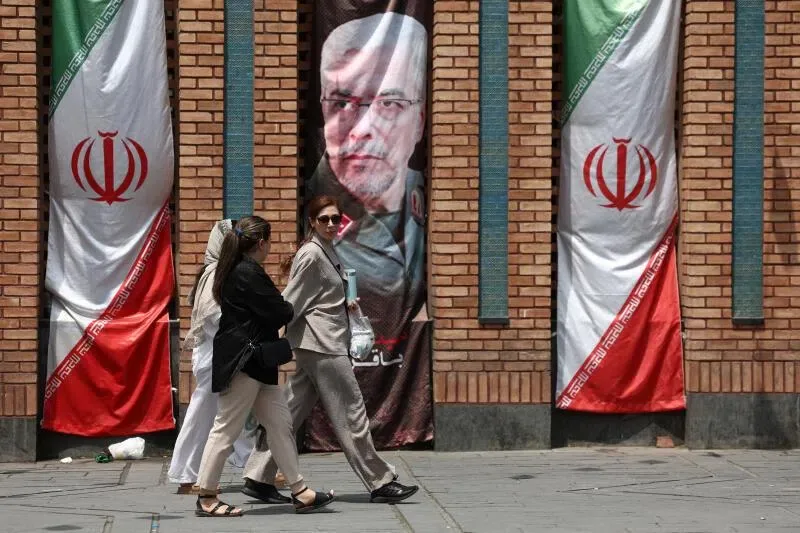
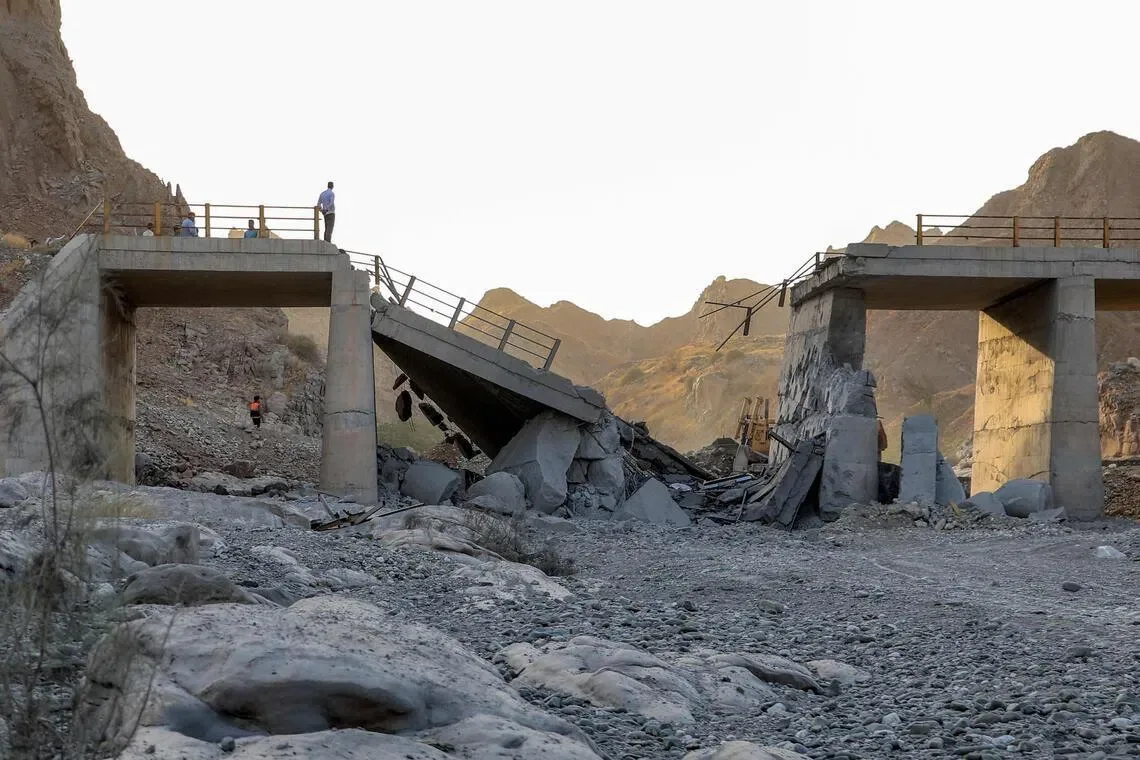
Iran’s Atomic Energy Organization condemned US strikes on a nuclear power plant site in Darkhovin as part of the ongoing hostilities [1, 6]. The conflict has disrupted commercial shipping in the Strait of Hormuz and caused outages at civilian infrastructure such as water desalination plants and power stations [1, 2, 10].
The latest fatality and ongoing exchanges between US and Iranian forces show the conflict remains intensified. Identification of remains and casualty assessments continue. Domestic ceremonies have honored the fallen while military operations are expected to persist amid diplomatic efforts to mitigate the confrontation.