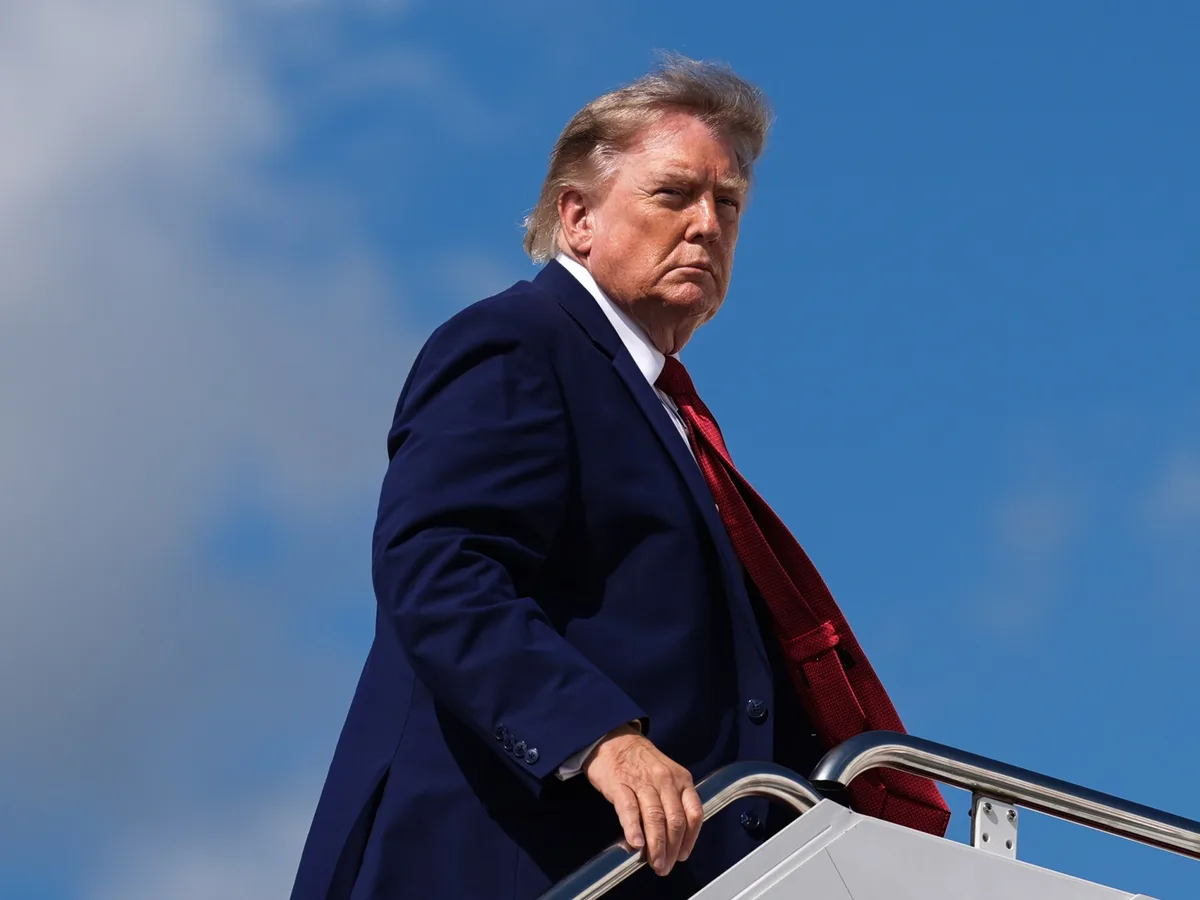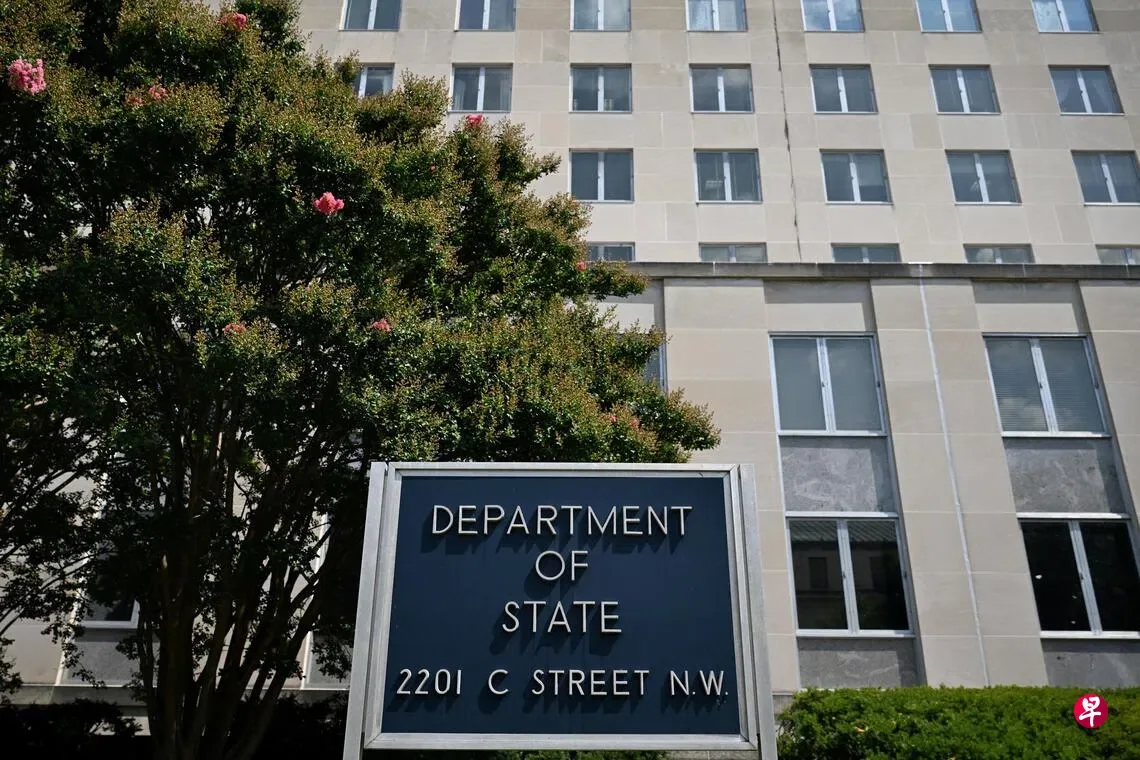
Since Donald Trump began his second presidential term in January 2025, over 175,000 non-immigrant US visas have been revoked, marking a substantial increase in immigration enforcement [1, 2, 3, 4, 5, 6, 7, 8]. In 2025 alone, approximately 100,000 visas were canceled, setting a new annual record [1, 2, 6, 8]. The rate of revocations has climbed from about 8,000 per month in 2025 to more than 10,000 per month in 2026 [2, 6].
The US State Department explained that visa revocations target foreign nationals who violate visa terms, commit crimes, incite violence against US citizens, defraud Americans, abuse the immigration system, or threaten national security [1, 2, 3, 4, 5, 6, 7, 8]. Common criminal offenses triggering cancellations include assault, drunk driving, theft, drug offenses, reckless driving, sexual assault, child abuse, fraud, and embezzlement [2, 3, 4, 5, 6, 7, 8]. Several cases involved individuals charged with felony rape, kidnapping and trafficking, and possession of large amounts of child sexual abuse material [2, 3, 5, 7].
US embassies in North Africa revoked more than 100 visas from ‘‘birth tourists’’—parents who travel mainly to give birth to children with US citizenship [3, 9, 5, 6, 7, 8]. The government created a Birth Tourism Prevention Task Force in August 2026, which has canceled over 600 such visas worldwide [9].
Some revocations were based on political speech or foreign policy grounds. For example, foreign nationals who celebrated the assassination of conservative activist Charlie Kirk had visas canceled. Nationals linked to Cuban influence campaigns, Iranian nationals, and a Kuwaiti national who threatened violence against the US president also faced revocations [2, 3, 5, 6, 8].
Trump’s administration has intensified immigration policy enforcement through enhanced visa scrutiny, including social media checks and broader background investigations [1, 3, 4, 10, 11, 12, 7, 8]. In July 2026, individuals like Tou Lue Vang, convicted of child sexual assault and previously pardoned at state level, were deported as part of this crackdown [6, 8].
Some immigration lawyers have raised concerns that visa revocations sometimes follow minor infractions or occur without traditional judicial review, posing possible due process issues [6, 8]. The US State Department reiterated, “A US visa is a privilege, not a right. We will continue using available authorities to revoke visas from people who abuse that privilege,” and stressed that each revocation was decided on a case-by-case basis [1, 5].
The State Department provided this update on August 10, 2026, confirming the revocation figures and detailing reasons behind the actions [1, 2, 5, 6, 8]. The Birth Tourism Prevention Task Force was formally announced two days later, on August 12, 2026 [9].