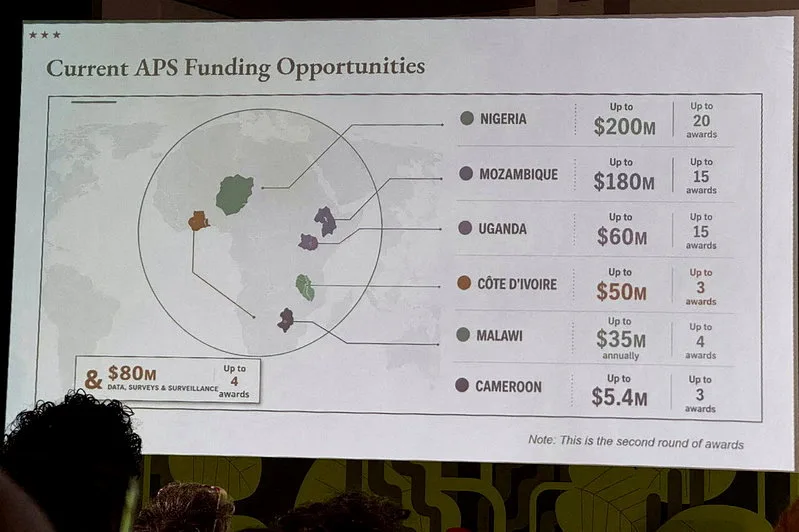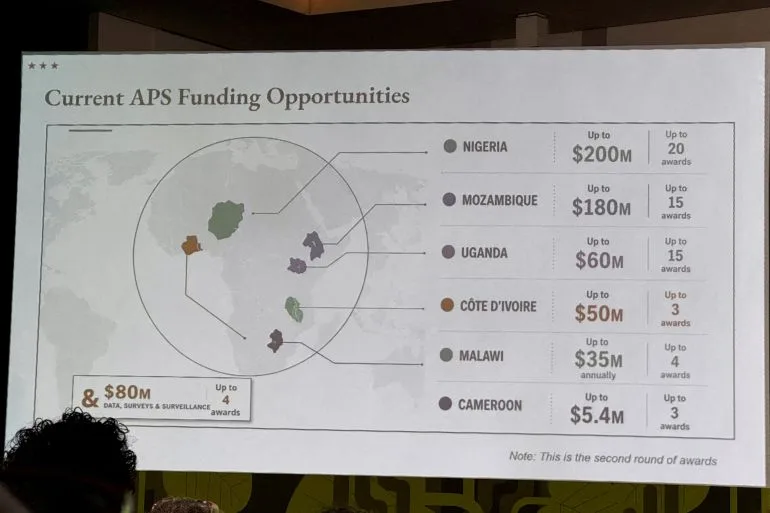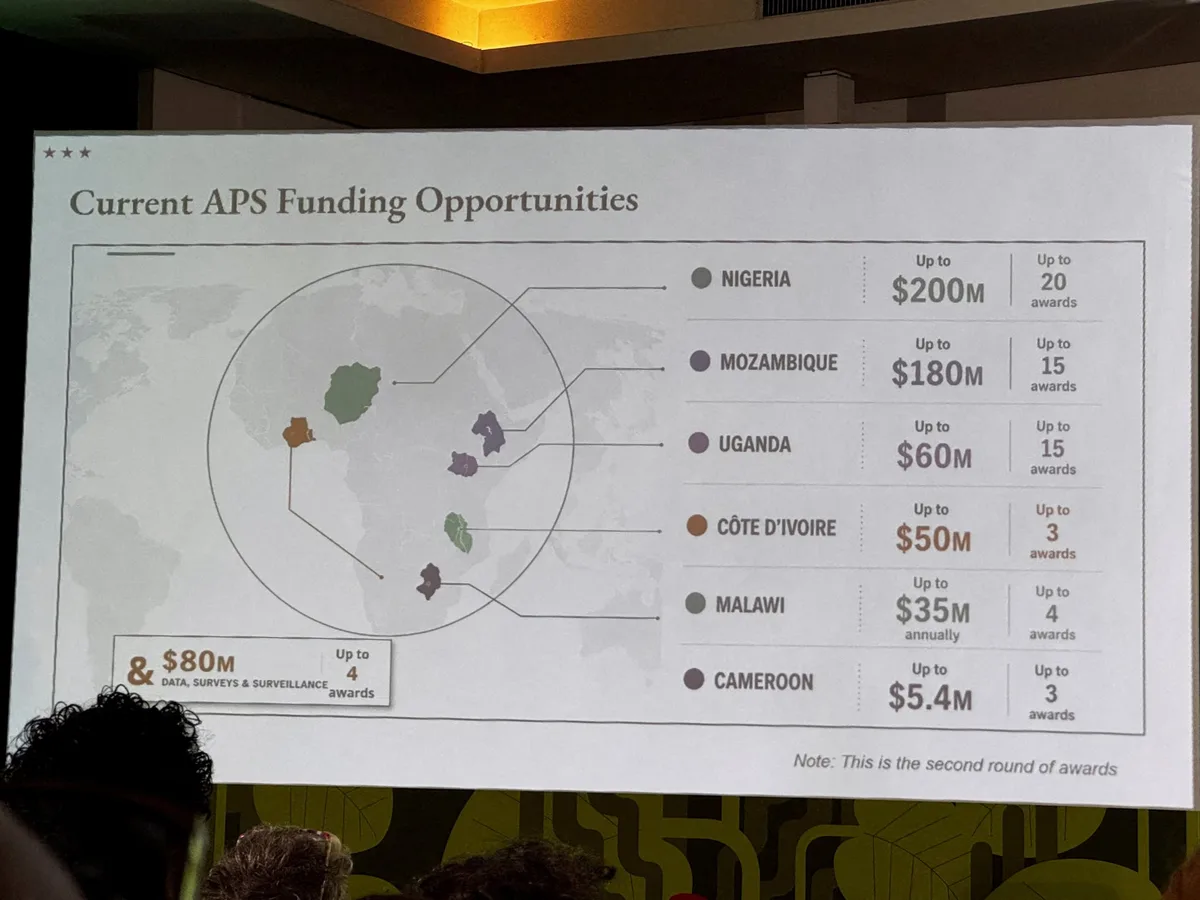
At the 26th International AIDS Conference in Rio de Janeiro, Brazil, held from July 28, 2026, US representatives presented a slide featuring an AI-generated map of Africa that mislocated six African countries, sparking widespread ridicule [1, 2, 3].
The erroneous map showed Nigeria, normally a West African coastal country, as a landlocked nation in the Sahara Desert. Mozambique, situated in southeastern Africa, was incorrectly placed in the Horn of Africa. Ivory Coast (Côte d'Ivoire), which lies on Africa's west coast, was mapped on the continent's opposite side [1, 4, 2].
Emily Bass, an HIV expert attending the conference, posted screenshots of the map on Substack and LinkedIn, triggering viral social media sharing and sharp criticism [1, 5, 6]. Bass said, "The US Department of State Bureau of Global Health Security and Diplomacy is redrawing the map and rewriting history" [5].
The map slide included a watermark from OpenAI tools. Following the incident, OpenAI confirmed it is investigating how the AI-generated map was created and labeled [1, 7, 8].
The US State Department acknowledged the mistake as an "unfortunate error," issued a formal apology, and accepted full responsibility. Their statement read, "We take full responsibility for the confusion and misrepresentation it caused for attendees, including our African partners" [3].
The map was reportedly created by a US team member who replaced the originally prepared slides shortly before the presentation. Jeff Graham, the US global health envoy overseeing the President's Emergency Plan for AIDS Relief (PEPFAR), delivered the presentation but did not address media questions about the error [1, 7, 6].
Experts in geopolitics and artificial intelligence criticized the incident, calling it a sign of negligence toward African partners and global health concerns. Matt Petit from the Atlantic Council said, "The people who made and approved this slide clearly have no idea where African countries are and didn’t even bother to check their work" [1].
Despite the controversy, the State Department said discussions at the conference remained substantive and reaffirmed the US commitment to fighting AIDS. The US provides approximately 74% of global public HIV funding, though PEPFAR funding has seen reductions following policy changes during the Trump administration [1, 2, 3, 5].
The map debacle occurred between July 28 and 30 during the conference, with the apology issued by the US State Department by July 31. OpenAI's investigation was confirmed on July 31 as well [1, 2].