The United States has increased economic pressure on Iran by blockading Iranian oil exports and shutting down channels for evading sanctions, drastically reducing Tehran's access to foreign currency and imports as of September 2026 [1, 2, 3, 4, 5]. Iran's crude oil shipments have fallen sharply from about 1.7 million barrels per day a year ago to roughly 260,000 barrels per day this month [2, 3, 4, 5]. The Iranian rial currency has plunged to record lows, depreciating from around 1 million rials per US dollar a year ago to over 2.2 million rials per dollar currently [2, 3, 4, 5]. Despite domestic crude production, Iran has only about two months of gasoline supply left due to limited refining capacity and reliance on imports [1, 2, 3, 4, 5]. Inflation over the past year averaged 69.9%, with food and beverage prices rising at nearly double that rate, and unemployment has climbed to 9.1% with approximately 450,000 fewer employed compared to last year [2, 3, 4, 5]. The average monthly salary stands at around $125, far below the estimated $450 needed per household to cover basic living expenses [2, 3, 4, 5]. On August 19, 2026, the UAE suspended all commercial and financial relations with Iran, cutting off a critical trade and funding route [2, 3, 4, 5]. Military conflict escalated in 2026, with US airstrikes against Iranian targets along the Gulf coast and Iranian retaliatory strikes on US bases in Arab states [1, 5]. The US has expanded secondary sanctions targeting countries trading with Iran to block dollar transactions and funding for imports, making Iran's use of covert companies, unregistered oil tankers, and smuggling networks increasingly costly and difficult [2, 3, 4, 5]. Iranian officials are banking on high inflation and oil prices pressuring the US government ahead of the November 2026 US midterm elections, while Washington expects economic hardship to spark public unrest inside Iran [2, 3, 4, 5]. Professor Ali Ansari of the University of St Andrews said, “They are under very, very heavy economic pressure and losing control of the Strait. The real question is whether they will opt for negotiations, and I think in the end, they will have to negotiate” [2]. Reports today confirm the US economic pressure campaign on Iran is intensifying alongside renewed military clashes [1, 2, 3, 4, 5].
US Steps Up Economic Pressure on Iran with Sanctions and Oil Blockade Amid Conflict
The US has intensified economic pressure on Iran by blockading oil exports and tightening sanctions as military clashes resume in 2026.
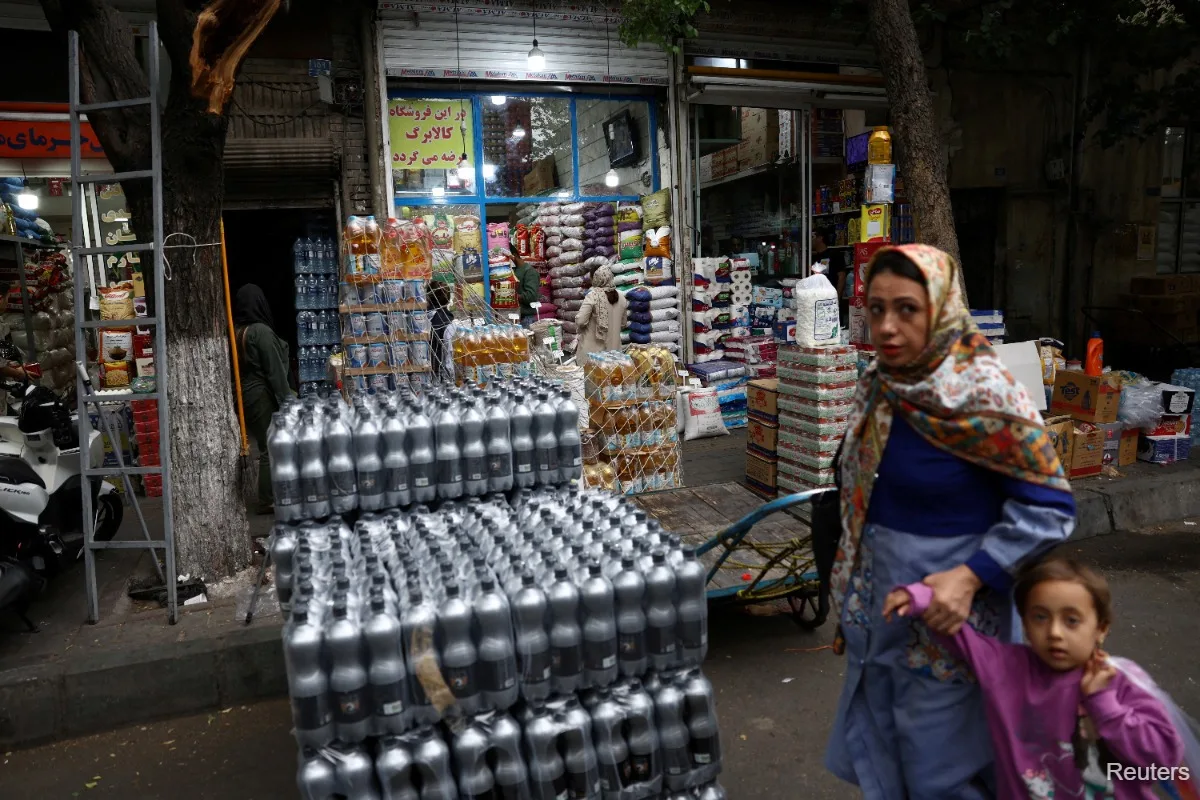
Gallery





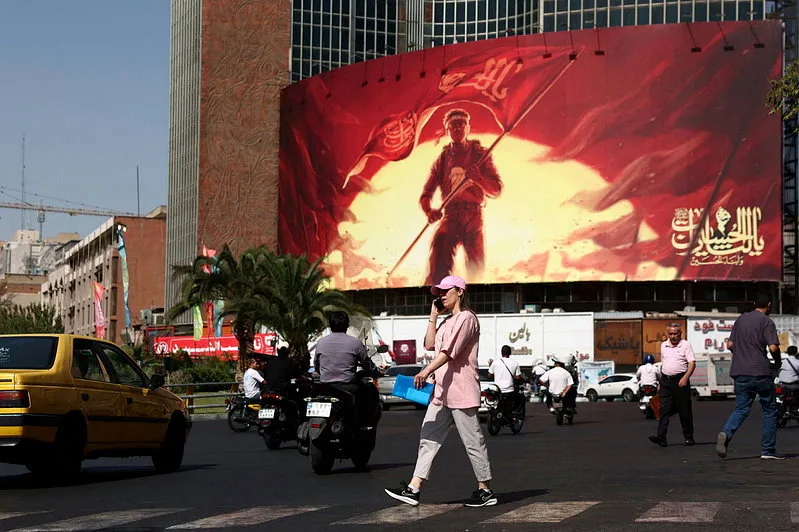
Sources
- The Edge Malaysia — US pressure on Iran starting to tell, as sanctions and blockade bite — Reuters
- 世界新聞網 (World Journal) — 川普「經濟D-Day」見效?伊朗高層認了:愈來愈難承受
- 世界新聞網 (World Journal) — 川普「經濟D-Day」見效?伊朗高層認了:愈來愈難承受
- 世界新聞網 (World Journal) — 川普「經濟D-Day」見效?伊朗高層認了:愈來愈難承受
- Yahoo 台灣 — 新聞 — 川普「經濟D-Day」見效?伊朗高層人士認了:愈來愈難承受