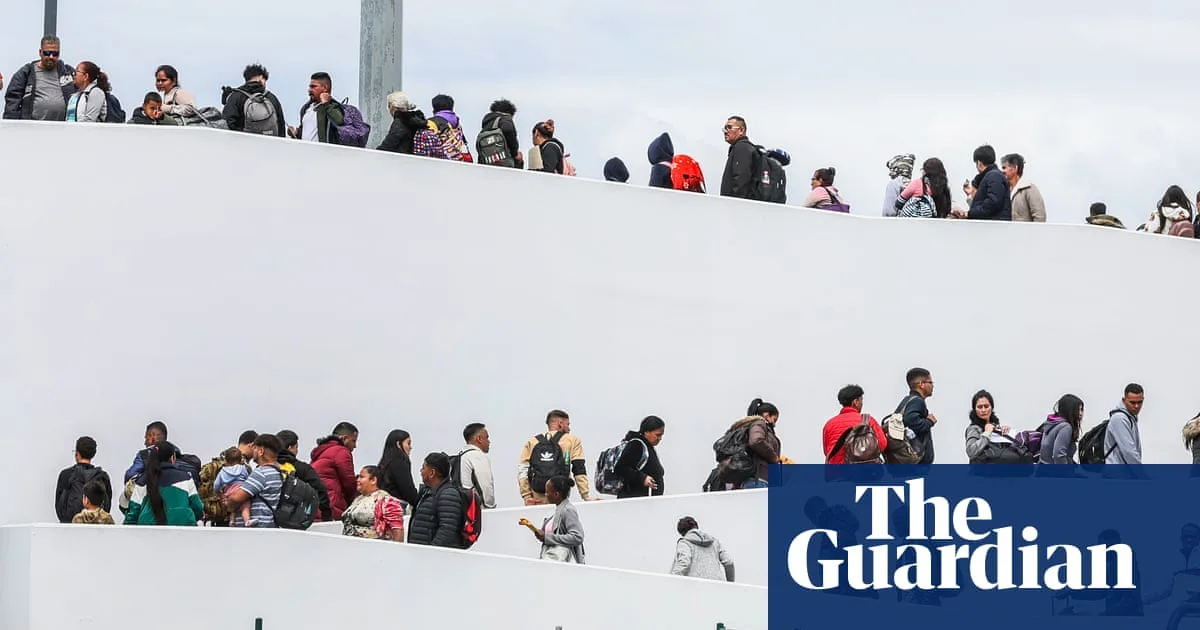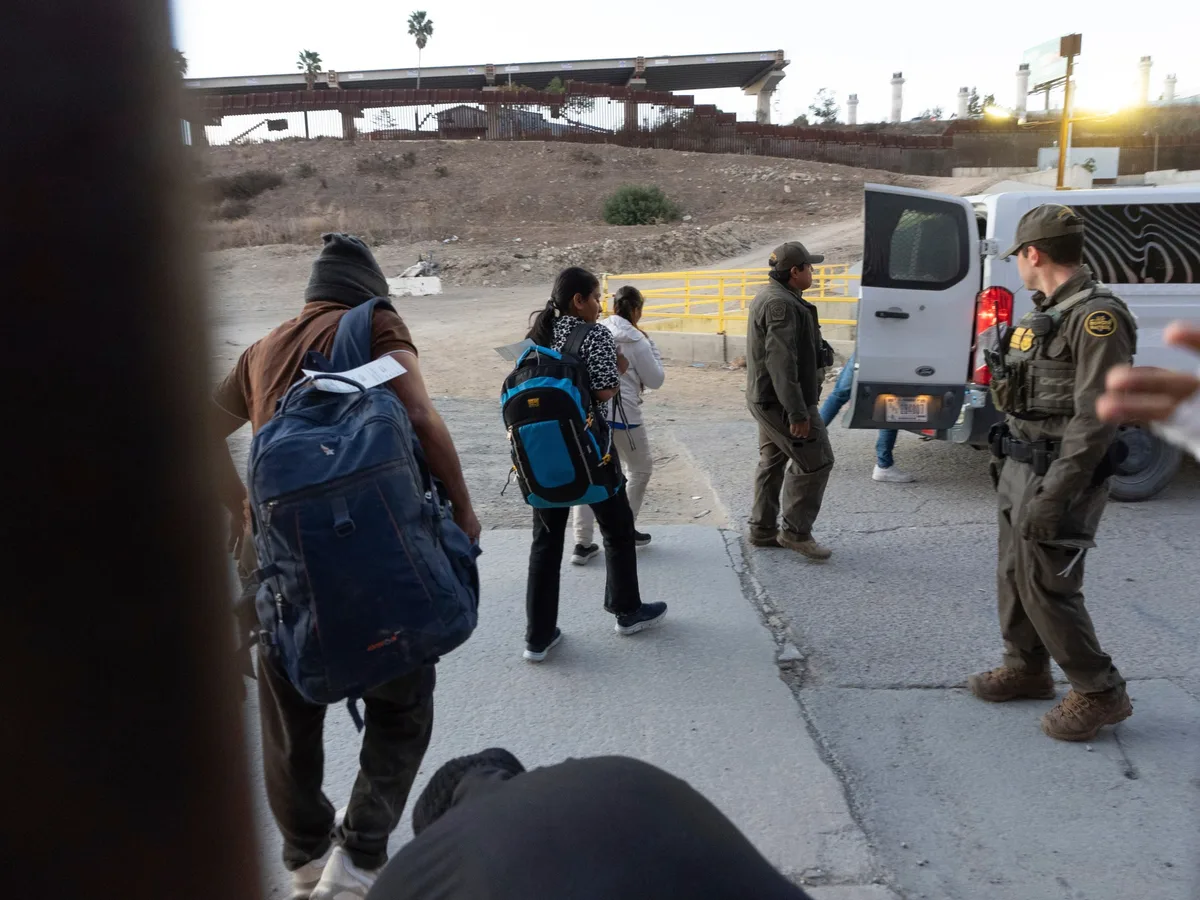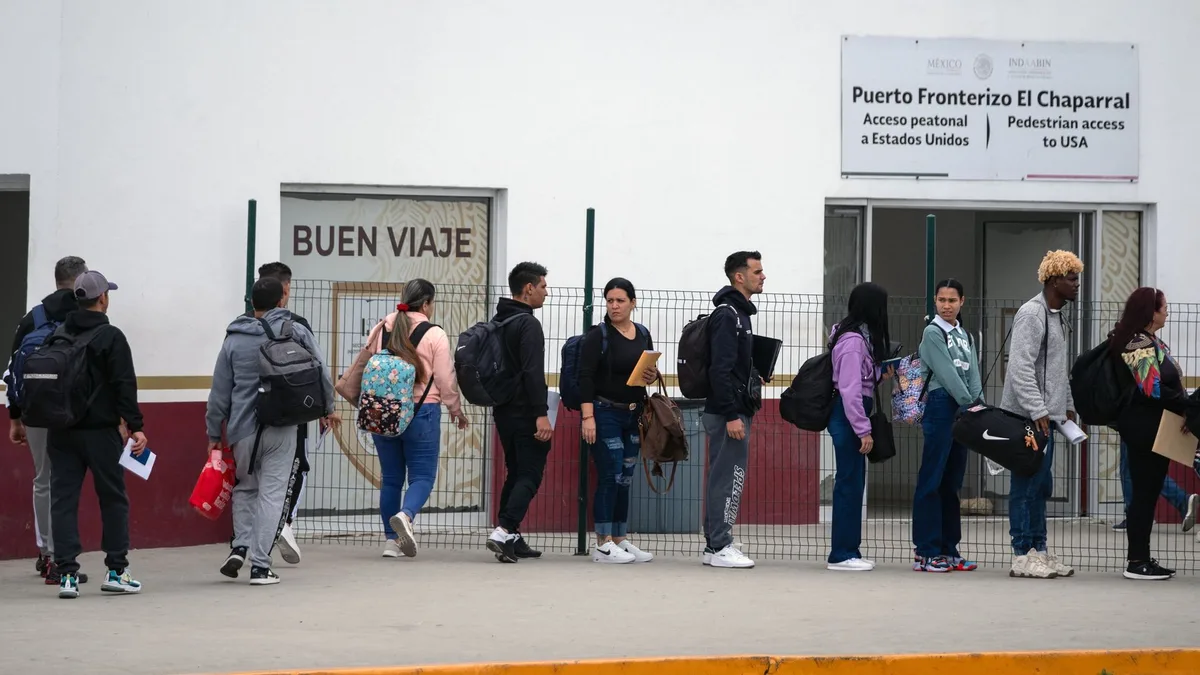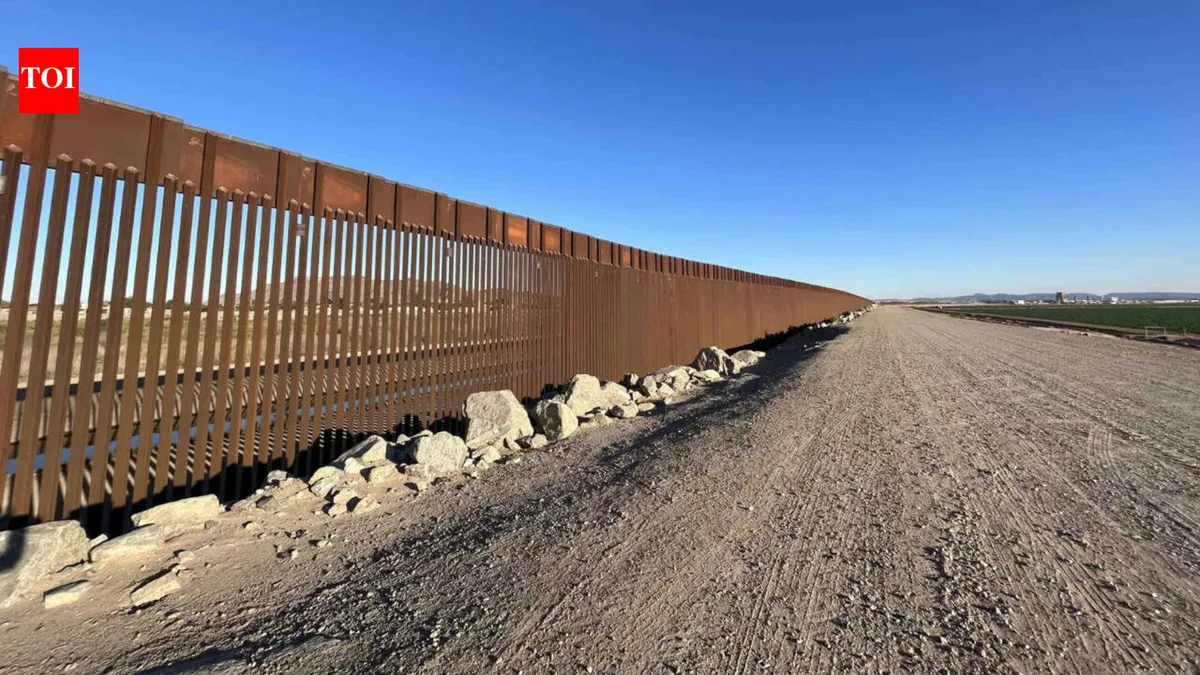
The US Supreme Court on June 25 ruled 6-3 that asylum seekers at the US-Mexico border who have not physically entered the United States have no legal right to apply for asylum under federal law [1, 2, 3, 4, 5, 6, 7]. The decision allows the Trump administration's "metering" practice to resume, which blocks asylum seekers from entering official ports of entry to request asylum [1, 2, 3, 4, 5, 6, 7].
Justice Samuel Alito wrote the majority opinion. He held that the statutory phrase "arrives in the United States" means the asylum seeker must physically cross the border. He wrote, "In ordinary speech, no one would say that a person ‘arrives in’ a place … before the person enters that place" and that "An alien standing in Mexico does not ‘arriv[e] in the United States’" [1, 2]. Alito emphasized that the Immigration and Nationality Act does not grant or require asylum processing unless the person is physically in the US [2].
The ruling reverses lower courts that had ruled the metering practice illegal. It permits border officials to limit how many asylum seekers can present themselves at legal ports of entry, effectively turning some away if the port's capacity is met [2, 3, 5, 6]. James Percival, DHS General Counsel, said the ruling vindicates the principle that an alien is not in the US until physically present [3]. Alito added metering does not permanently bar asylum application but encourages lawful crossing, while illegal entry is risky and carries legal penalties [6].
The metering policy began under the Obama administration in 2016 and was formalized by Trump after 2017. The Biden administration ended the practice in 2021, before the Supreme Court reinstated it [2, 3, 4, 5, 7].
Justice Sonia Sotomayor, joined by Justices Kagan and Brown Jackson, dissented, arguing the ruling "slams the door shut on all who are fleeing persecution," violating asylum protections Congress established [1]. Sotomayor warned the decision creates a "perverse incentive to enter at an unlawful rather than lawful location," potentially encouraging illegal border crossings between ports [1, 6]. Immigration advocates echoed concerns that the ruling could increase dangerous unauthorized crossings [6]. The Department of Homeland Security did not respond to questions about preparations for any rise in illegal crossings [6].
In a related 6-3 ruling along party lines, the Court upheld the Trump administration's authority to end Temporary Protected Status (TPS) for Haitians and Syrians without a judicial stay. About 300,000 Haitians could lose TPS protections as a result [8, 5, 7]. Justice Alito wrote that the TPS statute bars judicial review of termination decisions [5].
The Supreme Court's decision on metering allows federal border officials to resume limiting asylum seekers to those physically on US soil, while its TPS ruling paves the way for the pending termination of protections for vulnerable immigrant groups [1, 2, 3, 4, 8, 5, 6, 7].