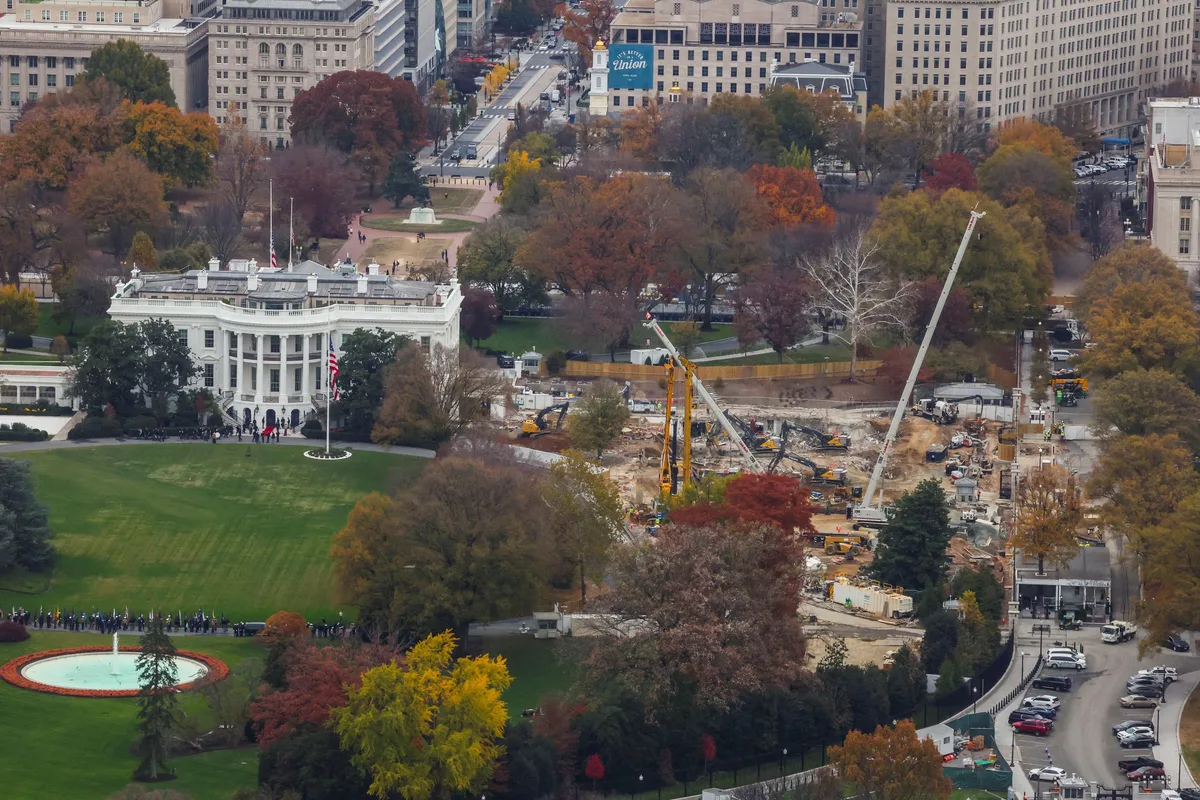
On August 21, 2026, US Supreme Court Chief Justice John Roberts signed a one-sentence administrative stay that permits construction on the White House ballroom renovation project to continue while litigation proceeds [1, 2, 3, 4, 5, 6, 7, 8, 9]. This stay suspends a lower court's order requiring construction to stop by midnight on August 21 [1, 2, 6, 7, 8, 9].
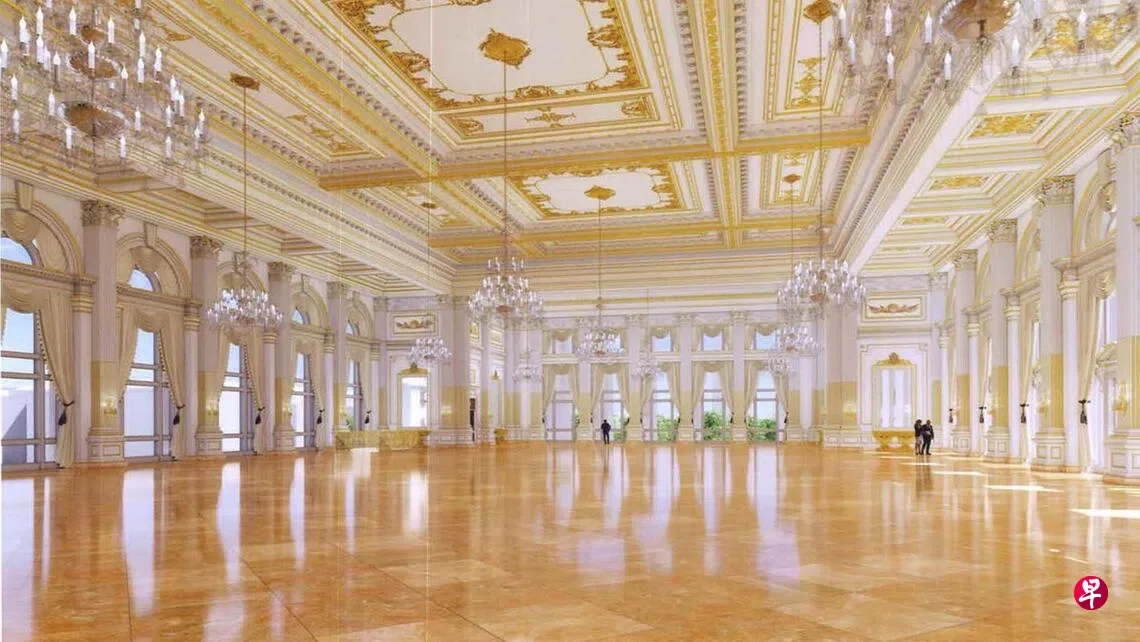
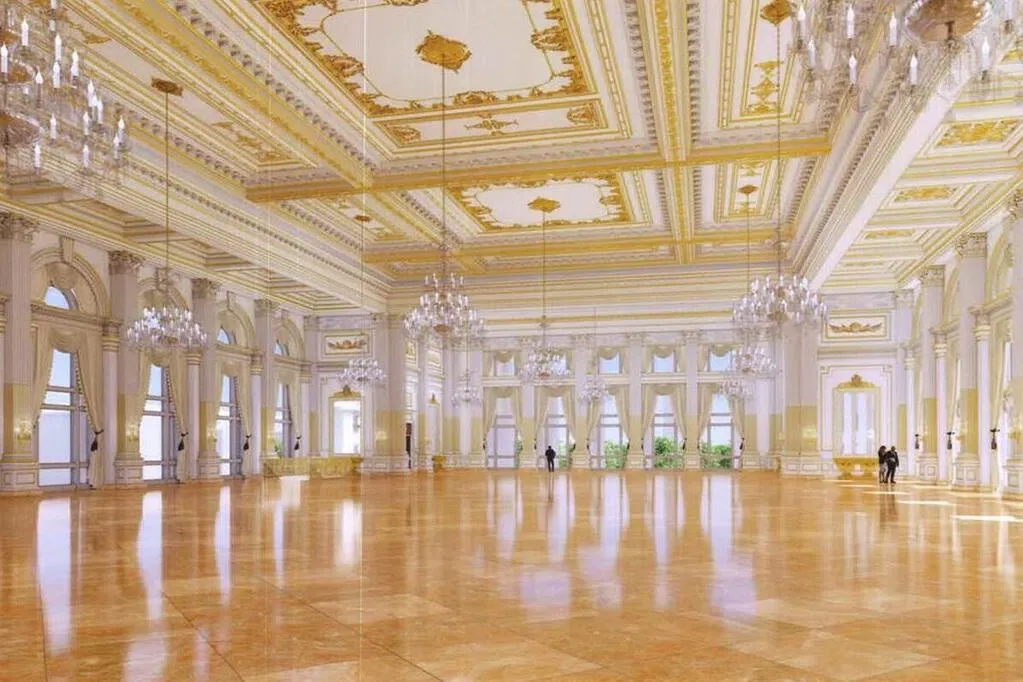
The renovation involves a large-scale expansion of the White House ballroom, covering approximately 8,300 to 8,400 square meters and designed to host about 1,000 guests [1, 2, 3, 4, 5, 6, 7, 9]. The project includes an underground military bunker and other advanced security features [1, 2, 6, 7, 10, 8, 9]. It is reported to be 65% complete, with about $400 million spent or committed, funded in part by $200 million in private donations [1, 2, 10, 9].
The project has faced challenges from historical preservation groups, including the National Trust for Historic Preservation, who argue the construction lacks required Congressional approval [1, 2, 6, 7, 10, 9]. A spokesperson for the Trust stated, "This is not a final ruling on the core issues. We await further court action" [11].
In March 2026, a federal district court halted above-ground construction, allowing only underground security work to continue [1, 2, 3, 6, 10]. The appeals court later upheld that pause before the Supreme Court issued its stay [1, 2, 3].
The Trump administration defends the project, arguing it is essential for national security and that the President has authority to renovate the White House without needing Congressional approval. Solicitor General John Sauer said, "The President of the United States of America is not a tenant, but rather the sole, elected head of the Executive Branch...Congress has authorized him to renovate, secure, and protect the White House and its grounds...without exception" [10].
President Donald Trump expressed gratitude for the Supreme Court decision on his social media platform Truth Social, calling the ballroom "vital for national security" and "the greatest of its kind." He added, "When they said to continue, I thought it was a good thing. It’s a good thing" [6, 10, 8, 9].
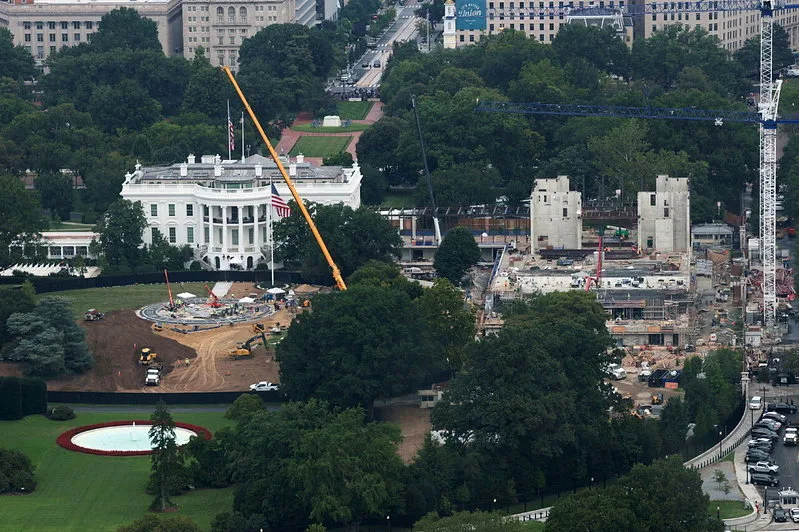
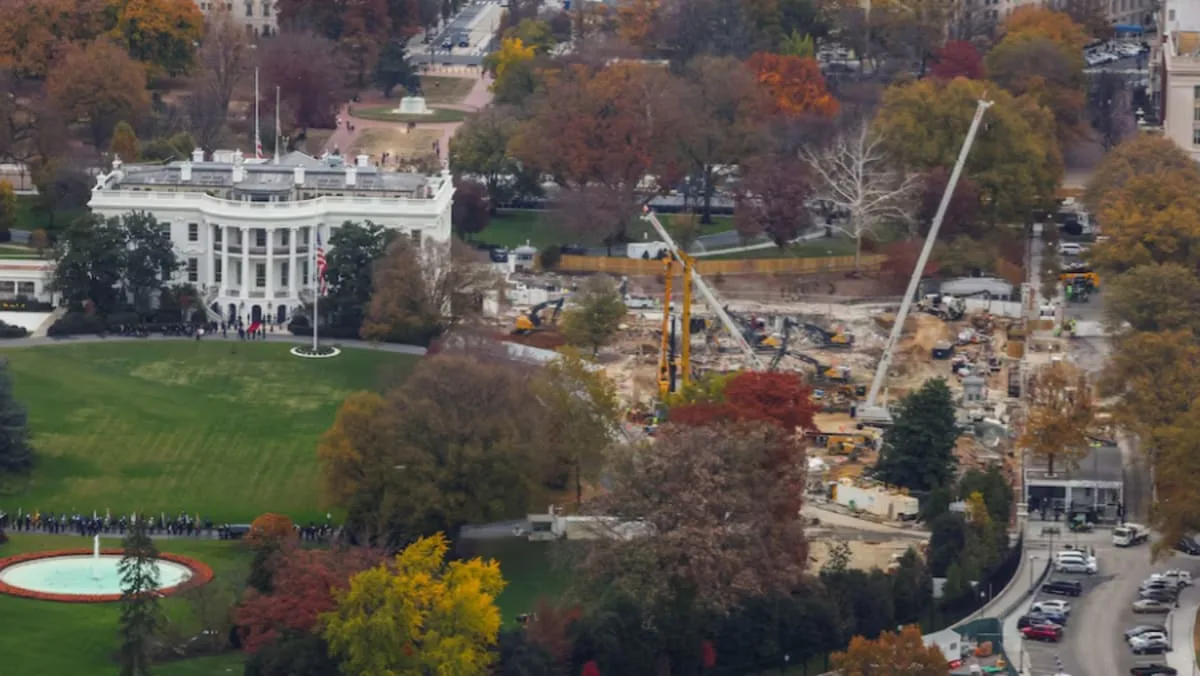
Trump ordered demolition of the historic East Wing of the White House in 2025 without Congressional consultation to make way for the project, which was publicly announced in July 2025 [1, 2, 6, 7, 10, 8, 9].
Construction currently operates about 140 hours per week with crews working 20 hours daily, seven days a week [9]. The Supreme Court stay allows the project to proceed while legal challenges continue.
Further court proceedings are expected to address the litigation against the renovation, but for now, construction resumes uninterrupted under the Supreme Court’s order [1, 2, 3].