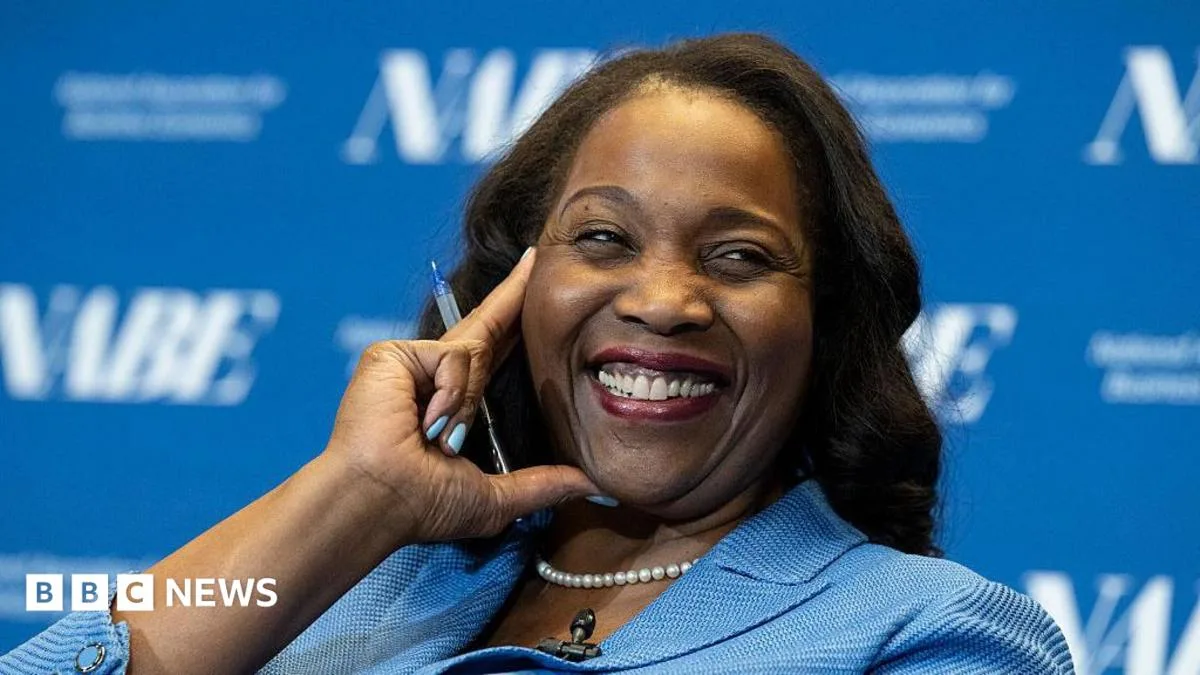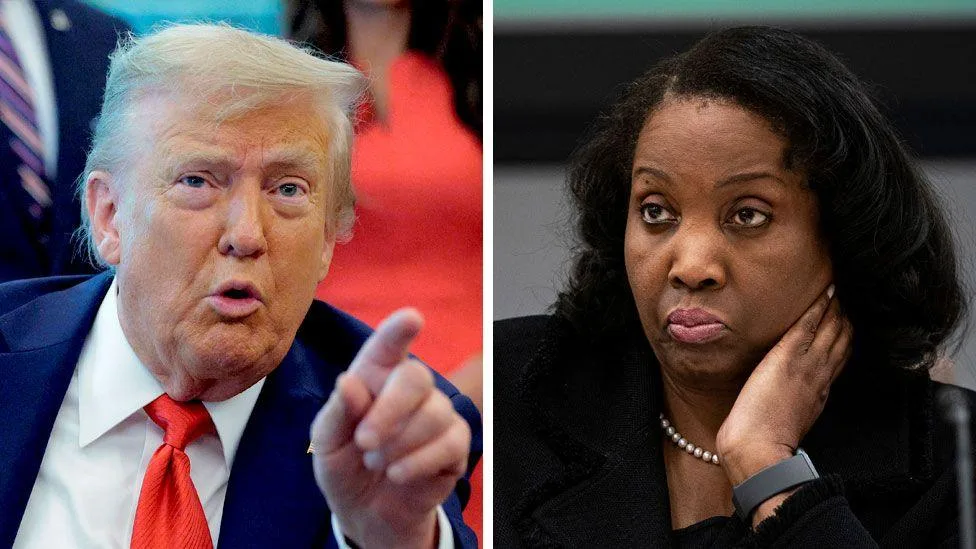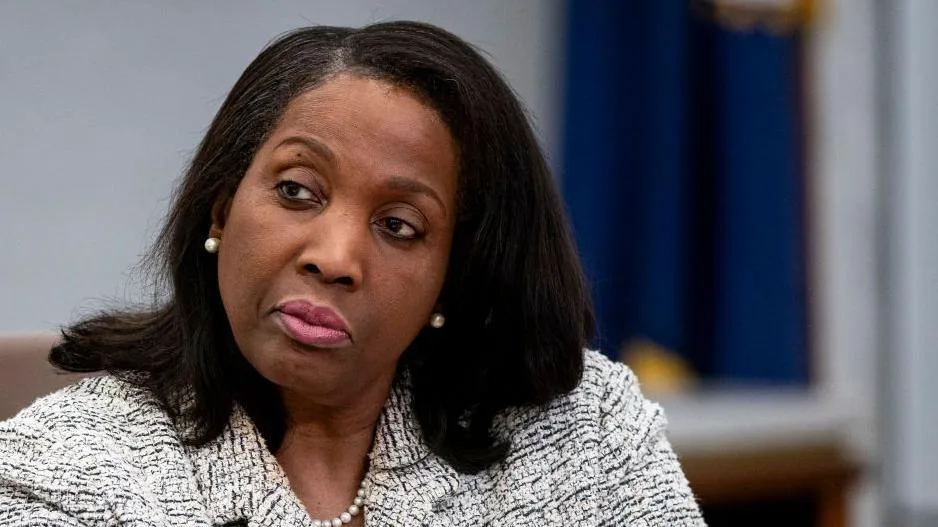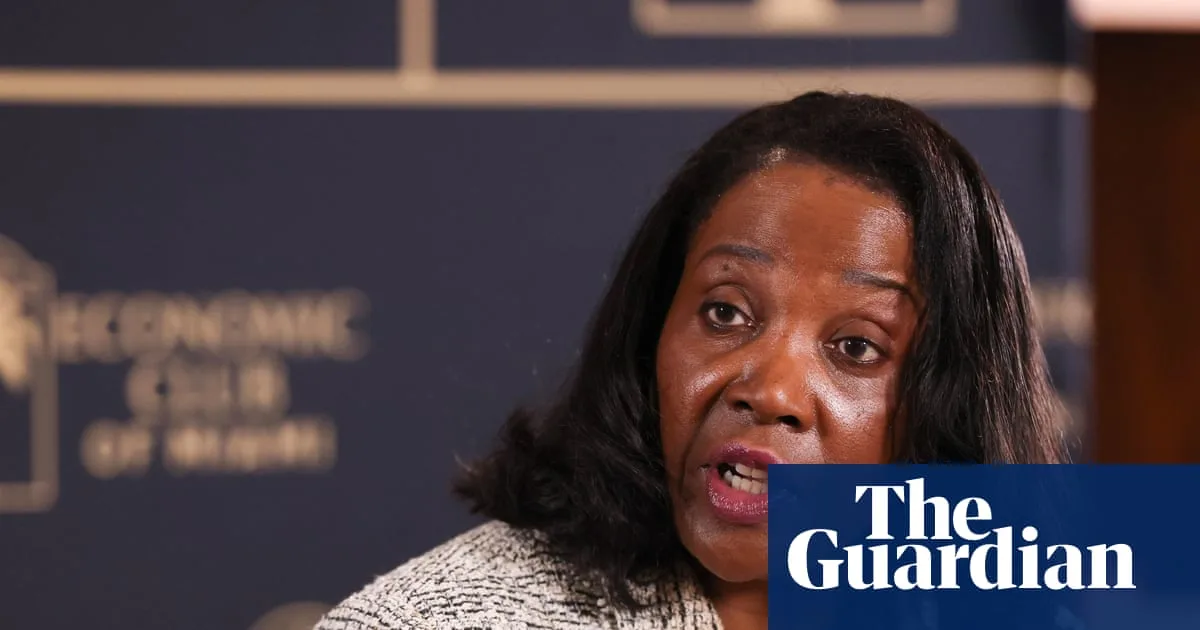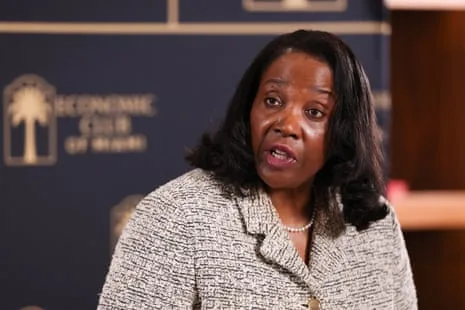
The US Supreme Court ruled 5-4 on June 29, 2026, blocking President Donald Trump's effort to fire Federal Reserve Governor Lisa Cook [1, 2, 3, 4, 5, 6]. The court found the Trump administration failed to provide Cook adequate process to contest allegations of mortgage fraud before attempting to remove her [1, 3, 4, 5, 6, 7]. Chief Justice John Roberts said, "Without such protections, she could not properly dispute the charges the president laid against her" [1].
Lisa Cook, the first Black woman to serve on the Federal Reserve Board of Governors, was appointed by President Joe Biden in 2022 and reappointed in 2023 for a term that runs through January 2038 [2, 4, 6, 8]. Cook has denied the mortgage fraud claims, calling them political pretexts tied to her Fed interest rate decisions [1, 2, 4, 5]. She said, "This was never about mortgage documents signed years before I became a Federal Reserve governor. It was an attempt to remove me on a manufactured pretext because I refused to bow to political pressure and continued to set interest rates based only on what would best serve the American people" [5].
Under the Federal Reserve Act, a president can remove Fed governors only "for cause" and must provide due process, reinforcing the Fed's independence [1, 3, 4, 5, 6, 7]. The court’s ruling reaffirmed this protection, limiting the president’s power to fire governors at will [1, 2, 9, 3, 5, 6, 7]. The case was sent back to lower courts for further proceedings on the allegations and Cook’s legal challenge [1, 4, 5, 6].
The majority included Chief Justice Roberts, Justice Brett Kavanaugh, and three liberal justices [1, 3, 4, 5, 6, 7]. Roberts also added, "We see no reason to leave the public in limbo, or to sow doubt as to the status of one of our Nation's (and the world's) most important financial institutions" [6].
President Trump claimed Cook committed mortgage fraud by misrepresenting principal residences to get preferential loan terms, a claim Cook denies [1, 2, 4, 5, 10]. Trump hailed the court’s decision expanding his power to fire officials in other independent agencies as "historic and unprecedented" [9]. However, a separate Supreme Court ruling simultaneous to this case granted expanded firing power in those agencies but maintained Cook’s due process protections [9, 11, 7].
Senator Elizabeth Warren criticized Trump for "firing Democratic appointees and seizing control of formerly independent agencies to serve him and his billionaire friends" [9]. Justice Sonia Sotomayor dissented on the broader firing powers ruling, warning that it "replaces 90 years of proven, workable practice with a half-baked theory of executive power" and said "chaos will follow" [11].
Cook was first appointed in May 2022 and reappointed in September 2023 for a 14-year term ending in 2038 [2, 8]. She disclosed several mortgages in June 2025, which sparked part of the allegations [10]. After Trump announced his intent to fire her in August 2025, Cook sued that month to block removal [1, 2, 5, 10]. The Supreme Court heard oral arguments in January 2026 [1, 4].
The court’s ruling maintains Cook’s position for now but leaves open further legal proceedings on the allegations. The case now returns to lower courts for additional review.