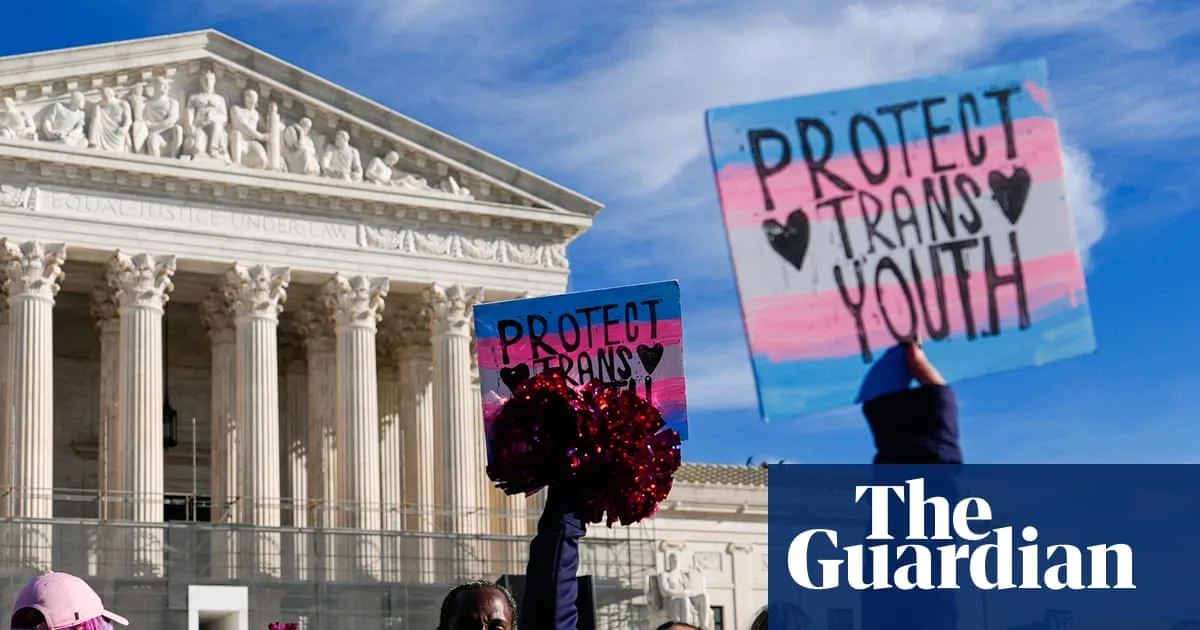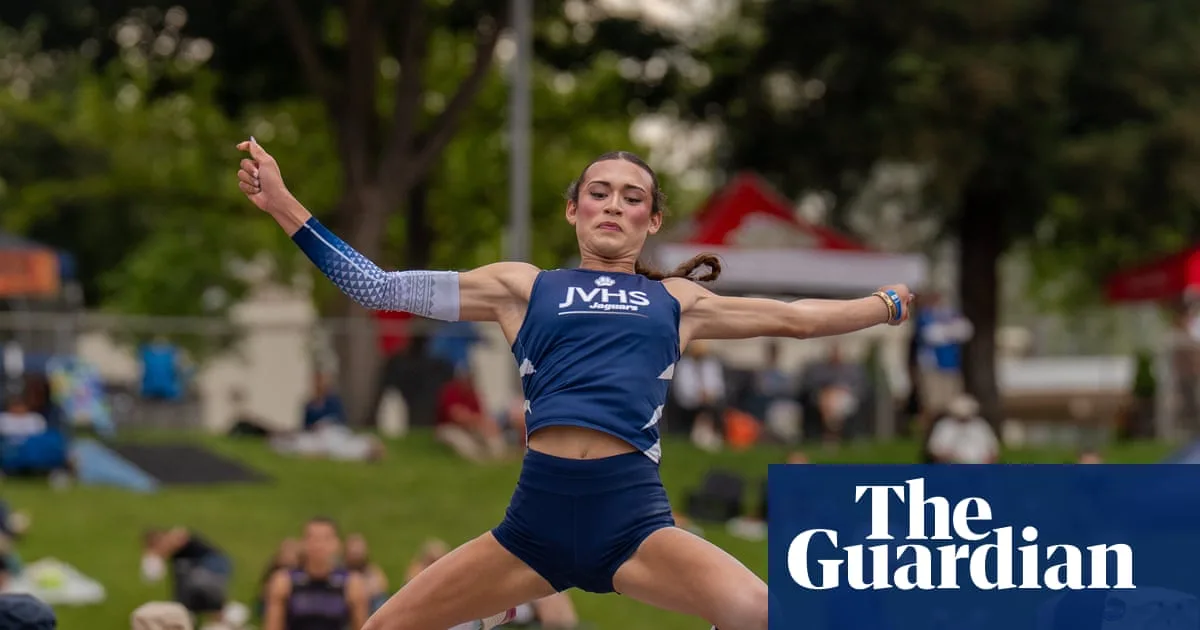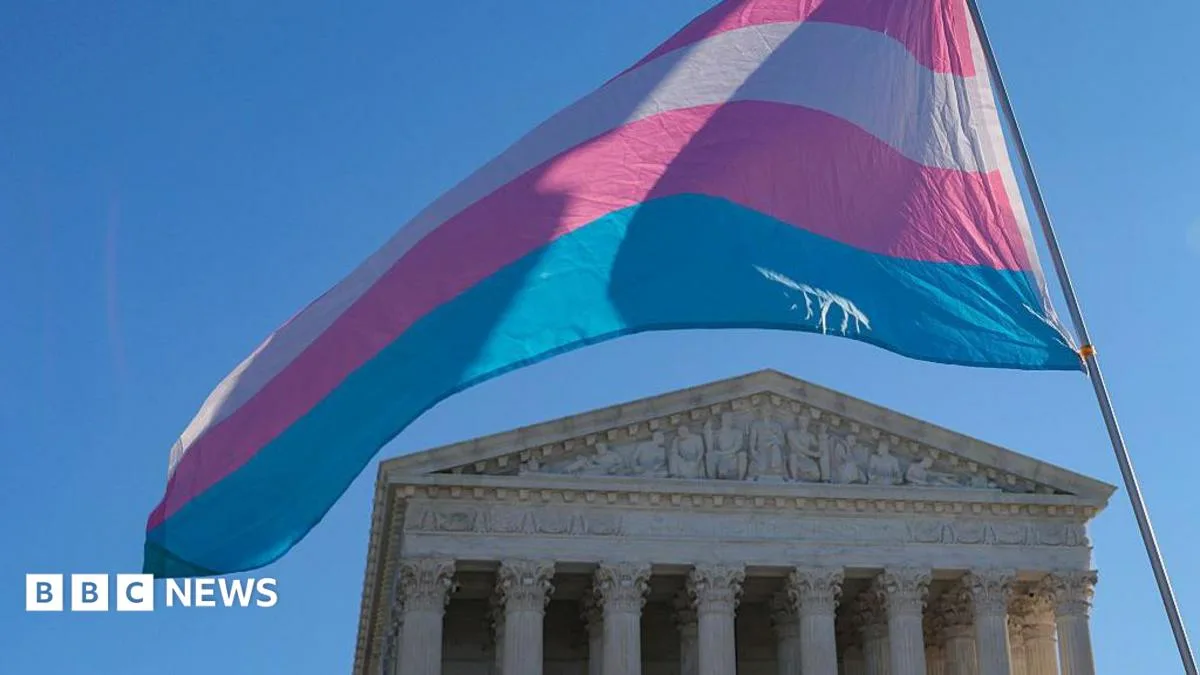
The US Supreme Court on June 30 upheld laws in Idaho and West Virginia banning transgender women and girls from competing on female school and college sports teams [1, 2, 3, 4, 5, 6, 7, 8]. The court ruled 6-3 that these bans do not violate the Equal Protection Clause of the Constitution. It also ruled 9-0 that the laws do not violate Title IX, the federal civil rights law [5, 7, 8].
The ruling specifically allowed states to require sports participation according to biological sex assigned at birth. It upheld Idaho’s 2020 law and West Virginia’s rules that restrict transgender students’ participation based on sex assigned at birth [1, 2, 3, 4, 5, 6, 7, 8]. It overturned lower court rulings that had sided with two transgender student athletes, Lindsay Hecox of Idaho and Becky Pepper-Jackson of West Virginia, who challenged their states’ bans as unconstitutional [1, 2, 9, 5, 10].
Justice Brett Kavanaugh wrote for the majority, saying, "We hold that the states may maintain women’s and girls’ sports for biological females. They may determine eligibility for women’s and girls’ sports based on biological sex. The Constitution and Title IX do not require an overhaul of women’s and girls’ sports throughout America" [7]. He added, "Sports are generally zero sum. Allowing a biological male athlete to compete on a girls’ team necessarily displaces or disadvantages a female athlete."
More than 25 states have similar bans on transgender women competing in female sports teams, and the ruling is expected to uphold restrictions in about 25-27 states nationwide [1, 2, 3, 4, 5, 6, 7]. Supporters of the ruling, including former President Donald Trump, praised it. Trump said, "The United States Supreme Court just RULED AGAINST MEN PLAYING IN WOMEN’S SPORTS. Wow! That takes that ridiculous situation off the table!!!" [3]
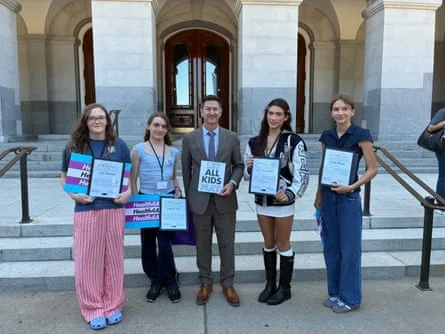
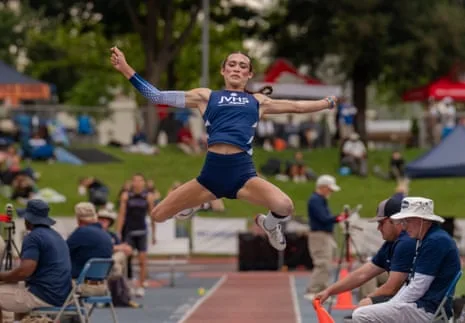
Among those opposing the bans are transgender youth athletes and advocates who pledged to continue fighting for sports access. Trans youth athlete AB Hernandez said, "If I had been forced to join the boys’ team, it would just be so uncomfortable for all of us... We’re just high school girls trying to have fun and play a sport we all love" [9]. Advocate Nereyda Hernandez said, "We’re not backing down. I’ve always said, you’re not going to intimidate me or bully my kid out of sports" [9]. Plaintiff Becky Pepper-Jackson called the ban part of a "plan to push transgender people like me out of the public life entirely" [9].
The three liberal justices dissented on the Equal Protection Clause ruling, arguing there was insufficient evidence to prove transgender women have an unfair advantage in sports [8]. They also challenged the majority’s claim that physical differences justify the bans, saying more individualized assessments should be considered [8].
The next major legal or legislative developments on this issue will likely come from ongoing challenges and laws in states with transgender sports bans. The Supreme Court heard oral arguments on these cases earlier this year in January 2026 [2, 11].