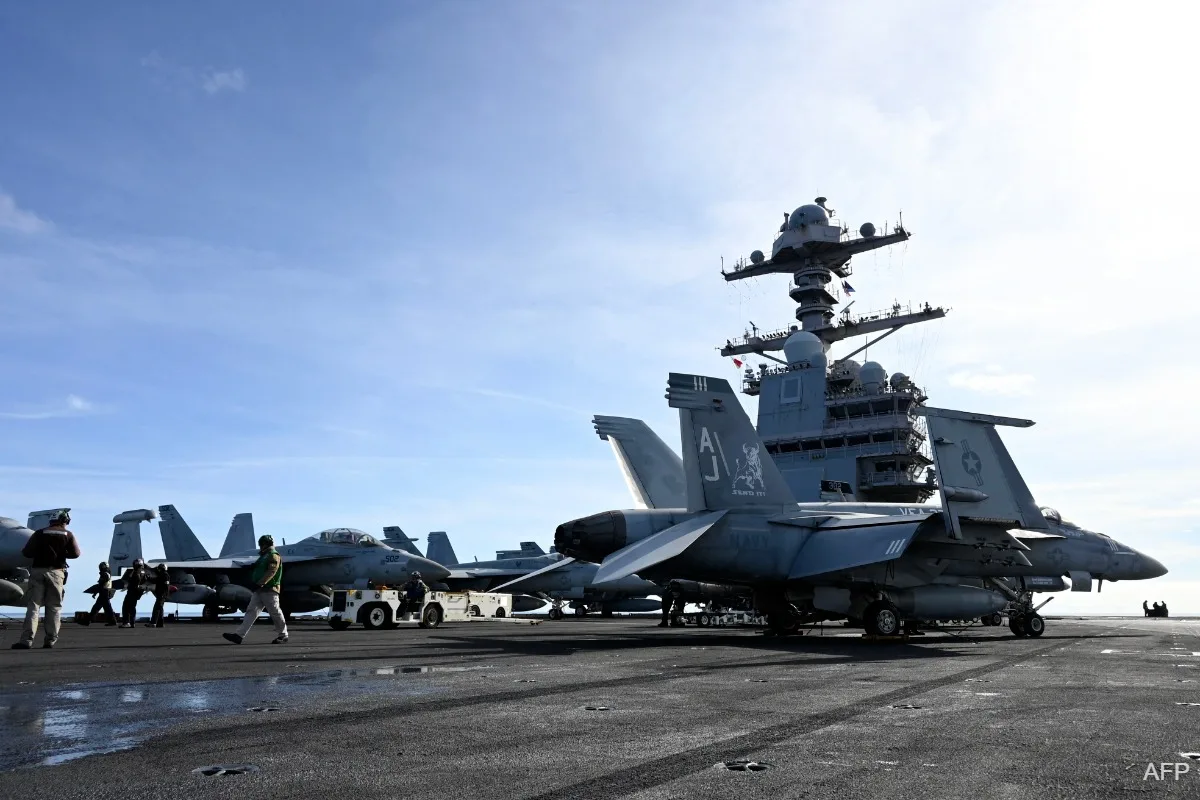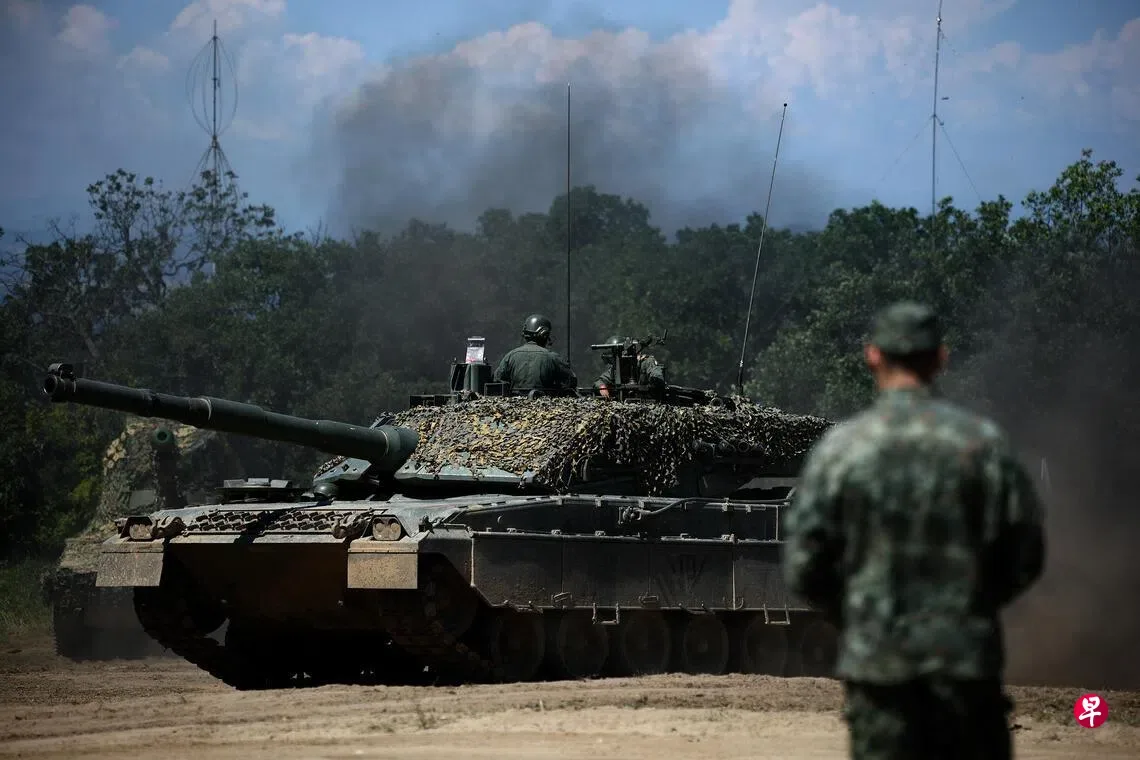
The US announced plans to cut the number of F-16 and F-15E fighter jets allocated to NATO in Europe from about 150 to 100. It will also reduce maritime reconnaissance aircraft from 26 to 15 and withdraw all eight aerial refueling tanker jets previously available in the region [1, 2, 3, 4, 5, 6, 7, 8, 9].
The US intends to redeploy a missile-launching submarine, an aircraft carrier, several warships, and dozens of carrier-based jets away from European NATO operations [1, 2, 3, 4, 5, 6, 7, 8, 9]. One of two bomber groups assigned for Europe's defense may also be relocated to other regions [1, 2, 3, 4, 6, 7, 8, 9].
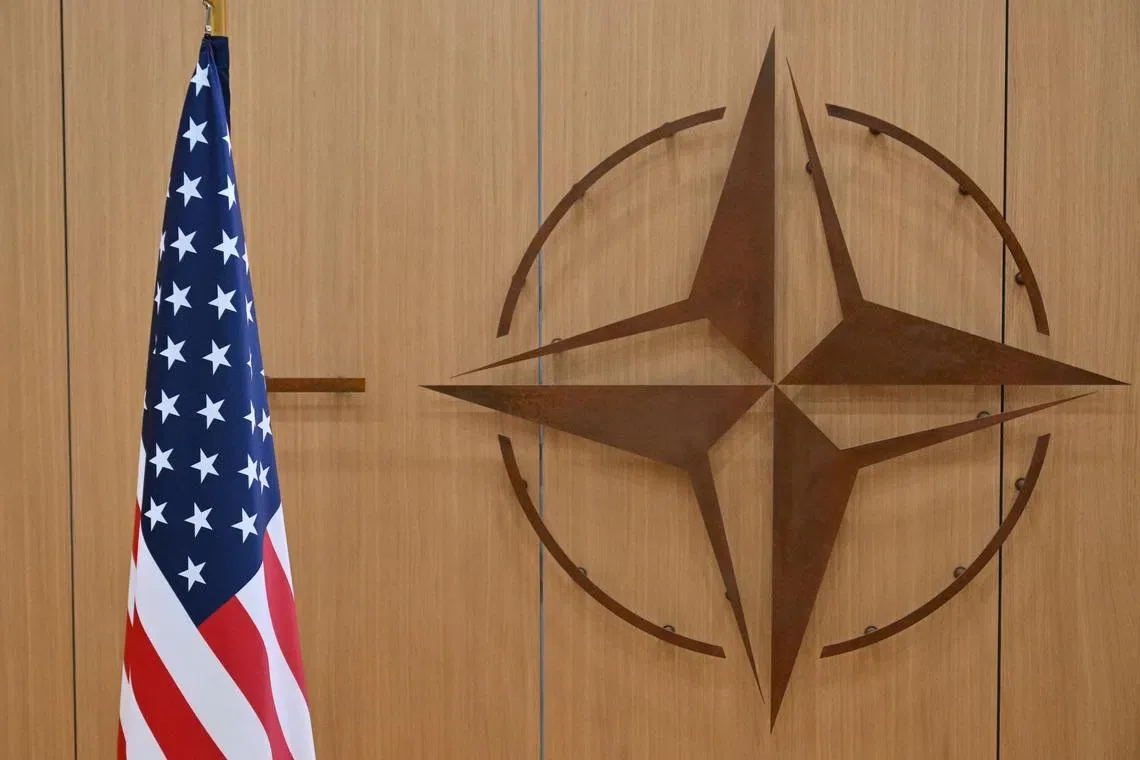
US European Command stated it will "rightsize" or "adjust" its contributions to the NATO Force Model, though no detailed timing was provided [1, 2, 4, 6, 7]. The reductions will limit NATO's ability to conduct long-range strike and reconnaissance missions in Europe [1, 2, 4, 5, 6, 7, 8].
These cuts are part of a broader US strategy to reduce its military presence in Europe and shift focus toward the Indo-Pacific and other areas [3, 6, 9]. US General Alexus Grynkewich said, "Europe has an unhealthy co-dependence on US forces" [3]. US President Donald Trump has repeatedly criticized European members for underinvesting in their militaries and relying too heavily on US defense assets [1, 2, 3, 4, 5, 7, 8, 9].
NATO spokesperson Allison Hart said the reduction will "strengthen NATO’s defence plans by reducing over-dependence on one ally and is a reflection of a broader shift happening within the alliance" [4, 6].
The New York Times reported the US informed NATO allies of the planned reductions in early June 2026 via written documents [4]. Reuters first reported in May 2026 that the US planned to scale back capabilities available to NATO during major crises [1, 2, 4, 7, 8].
The implementation timeline remains unclear, but these disclosed plans mark the most significant US military drawdown affecting NATO in Europe in recent years.