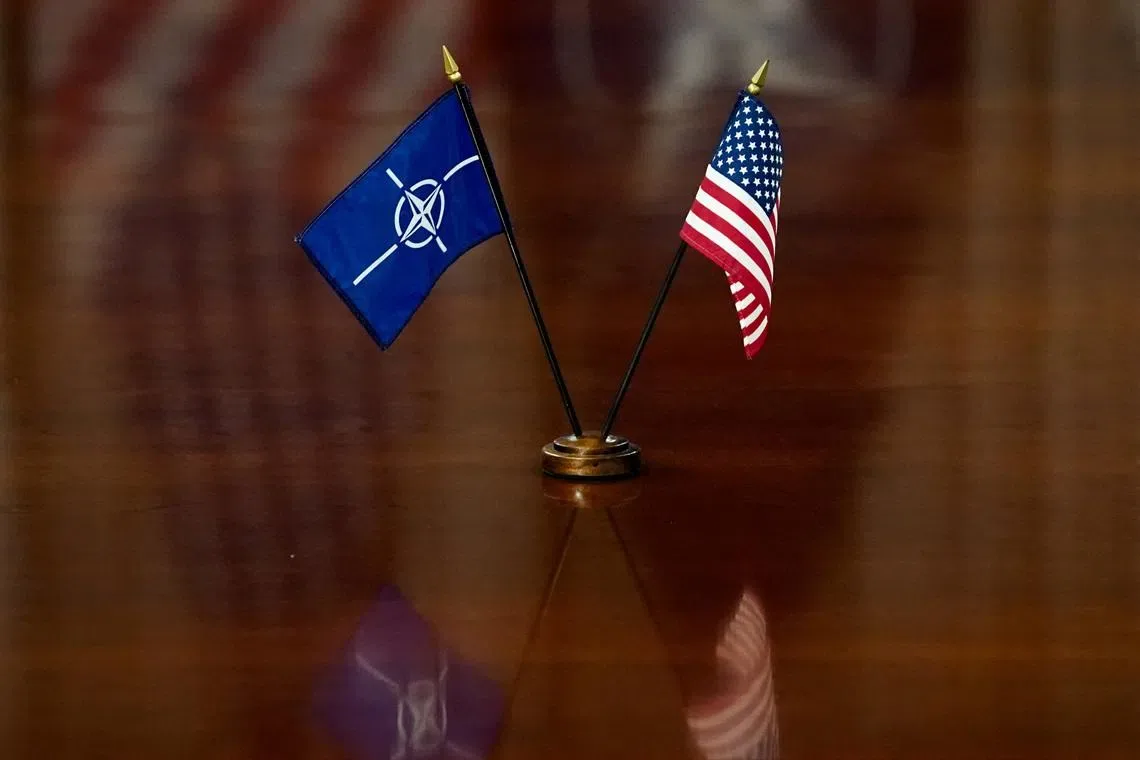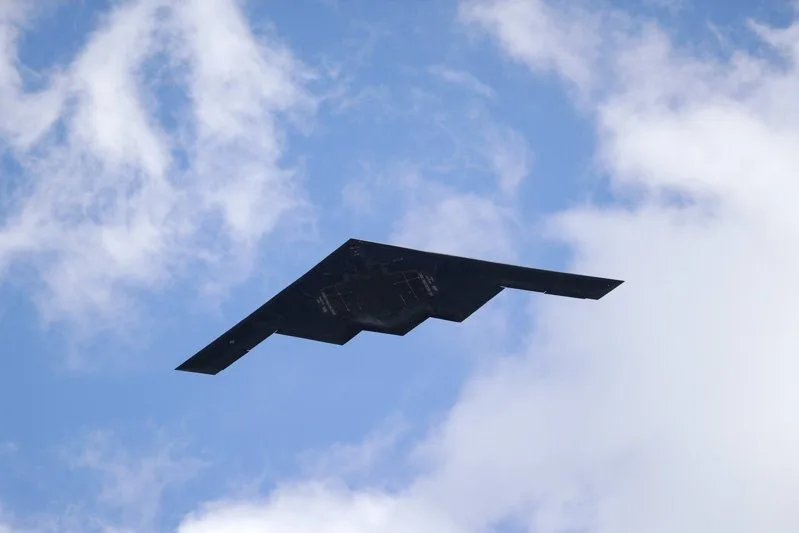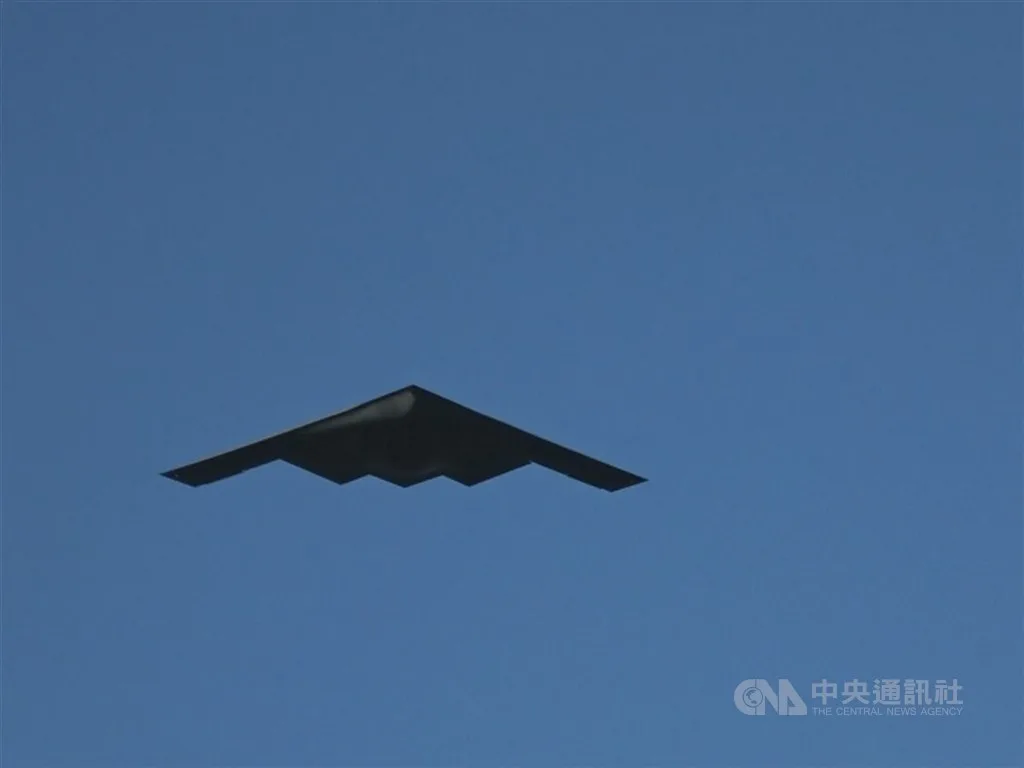
The United States plans a significant reduction in the military assets it commits to NATO during crisis situations, including strategic bombers, fighter jets, warships, submarines, drones, and mid-air refueling planes, according to multiple sources. [1, 2, 3, 4, 5, 6, 7, 8, 9, 10]
Washington intends to cut the number of strategic bombers available to NATO by half and reduce fighter jets by about one-third. US envoy Alexander Velez-Green said, “美軍可提供北約應急的戰機數量將削減1/3,” confirming a one-third cut in fighter jets provided to the alliance. [5]
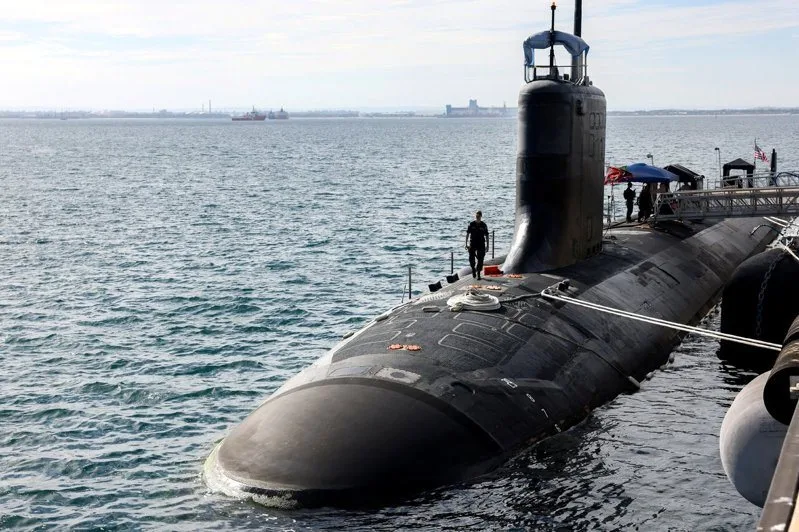
The US Navy will reduce destroyers assigned to NATO and will cease providing submarines entirely. [1, 2, 3, 4, 5, 6, 7, 8, 9, 10] European NATO members will be expected to provide their own reconnaissance drones, as the US plans to scale back armed drones and aerial refueling aircraft committed to the alliance. [1, 2, 3, 4, 5, 6, 7, 8, 9, 10]
The US will retain its nuclear deterrent forces in Europe but expects Europe to take primary responsibility for conventional defense. Pentagon spokesman Sean Parnell said these changes “represent an opportunity for allies to demonstrate that they have heard President Trump’s call for them to step up and take primary responsibility for Europe’s conventional defense.” [3, 6, 7, 8, 10] A NATO spokesperson noted there had been “an 'over-reliance' on the U.S. in NATO force planning” and with increased European and Canadian defense spending, military roles could be reorganized. [1]
The reductions also aim to provide the US military greater flexibility to address conflicts in the Indo-Pacific region. [6, 7, 8] Around 5,000 US troops are planned to be withdrawn from Germany amid these shifts. [1, 4, 5, 9]
The US notified NATO allies of these plans through Alexander Velez-Green at a closed-door meeting at NATO headquarters in late May 2026. [1, 2, 3, 4, 5, 6, 8, 9, 10] Velez-Green said, “The United States plans to commit much fewer assets to NATO’s pool of readily available forces.” [6]
Details and timing of the reductions have not been fully finalized and depend in some cases on Europe developing replacement capabilities. [3, 11]
The US is expected to provide more detailed information at a NATO force generation conference set for early June 2026. [1, 2, 3, 4, 5, 6, 8, 9]