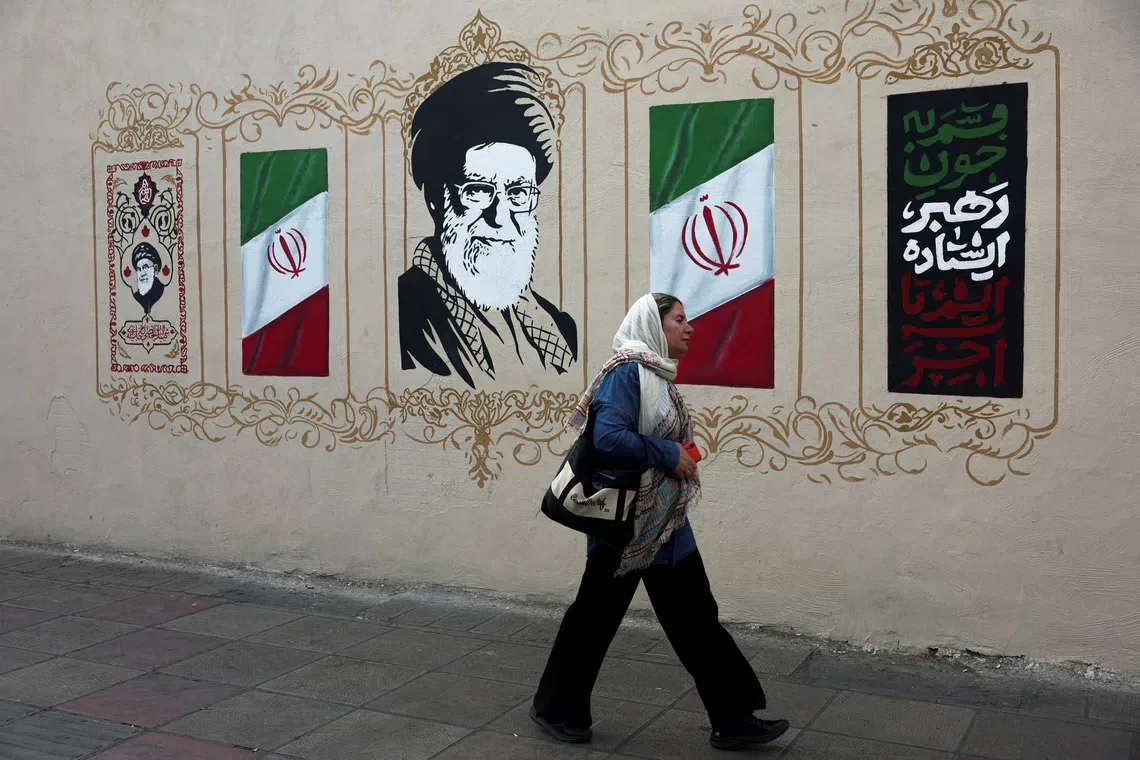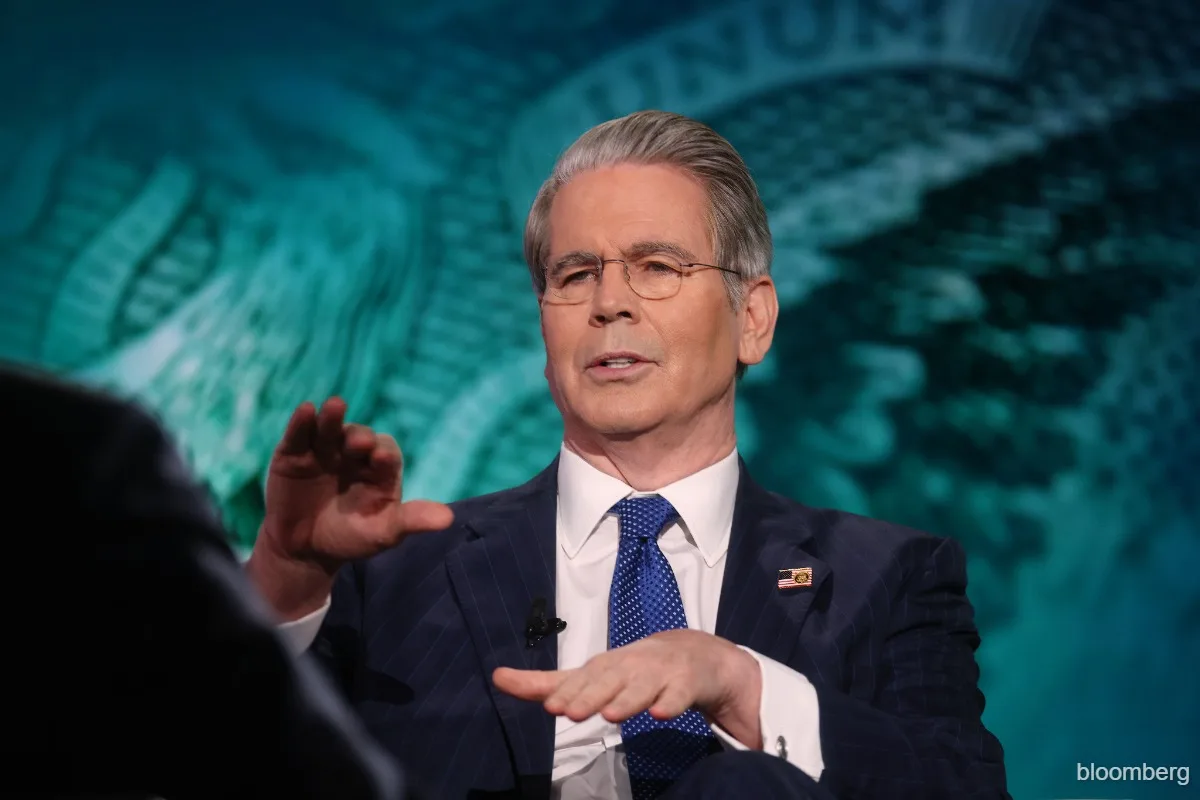
US Treasury Secretary Scott Bessent revealed plans on August 20-21 to impose the toughest sanctions in history on Iran as part of an intensified effort to economically isolate the country and restrict its ability to finance military activities and proxy groups [1, 2, 3]. "It is a one-two punch. We have the blockade (on Iran), and we are going to have the toughest sanctions in history," Bessent said, adding, "It is going to work in Iran and we are going to collapse this regime" [1]. He announced that full details of the sanctions package will be disclosed at a press conference scheduled for Monday, August 24 [1, 2].
The sanctions follow U.S. President Donald Trump’s warnings about "economic warfare" on nations supporting Iran and seek to maintain maximum pressure to avoid a larger military conflict, according to U.S. officials [1, 2]. Oil prices rose to a three-week high on August 20-21 amid the sanctions threats [1, 2, 3].
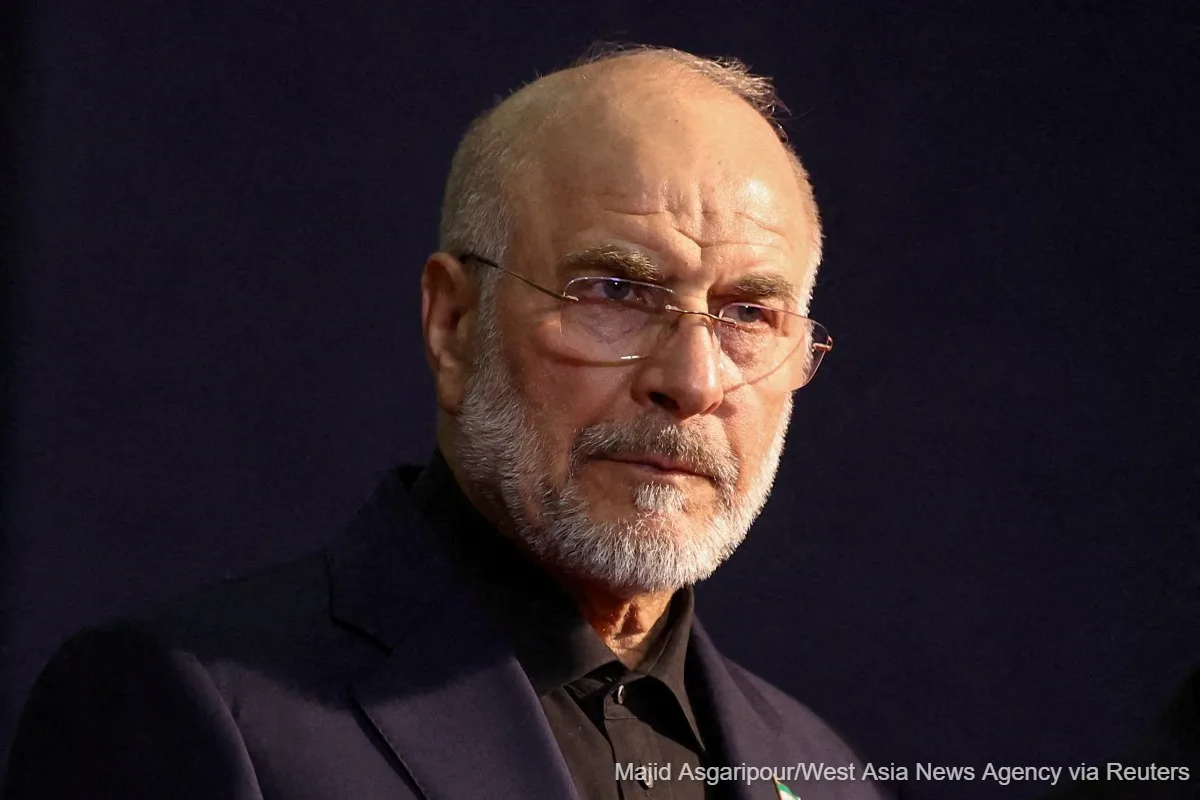
Iran bowed to the pressure but rejected the sanctions as "economic terrorism," with the Foreign Ministry condemning the U.S. measures and promising not to be deterred [1, 2]. Iranian Parliament Speaker Mohammad Bagher Ghalibaf called on the country to overcome the "unjust sanctions" and linked economic security to national security. He accused the U.S. and Israel of economic and "cognitive" warfare and urged stronger ties with Iraq, including using national currencies instead of the U.S. dollar to reduce vulnerability [4, 5]. Ghalibaf said, "If you look at the resources and raw materials of Muslim countries, you will realize that our enemies come to plunder them. Therefore, we must make plans to deal with the unjust sanctions so that we can overcome them" [4].
China, a major buyer of Iranian oil accounting for over 80% of Iran's exports in 2025, urged both sides to resolve the dispute through dialogue rather than unilateral sanctions. China’s Foreign Ministry spokesman Lin Jian said, "China always believes military actions, sanctioning, pressuring do not help solve the problem, it only builds up the tensions in the current situation. We urge the relevant party to solve the current dispute through negotiations and dialogue" [1, 2, 6].
The U.S. has warned countries maintaining trade with Iran that they may face enforcement actions [3, 6]. The sanctions come after earlier U.S.-Iran ceasefire deals in April and June 2026 aimed at easing tensions and reopening the Strait of Hormuz, but these agreements have collapsed amid continuing military exchanges, including U.S. strikes inside Iran and Iranian attacks on U.S. forces in Arab countries [1, 2, 3].
The next step will be Bessent’s press briefing on August 24, where the full sanctions package details will be laid out [1, 2].