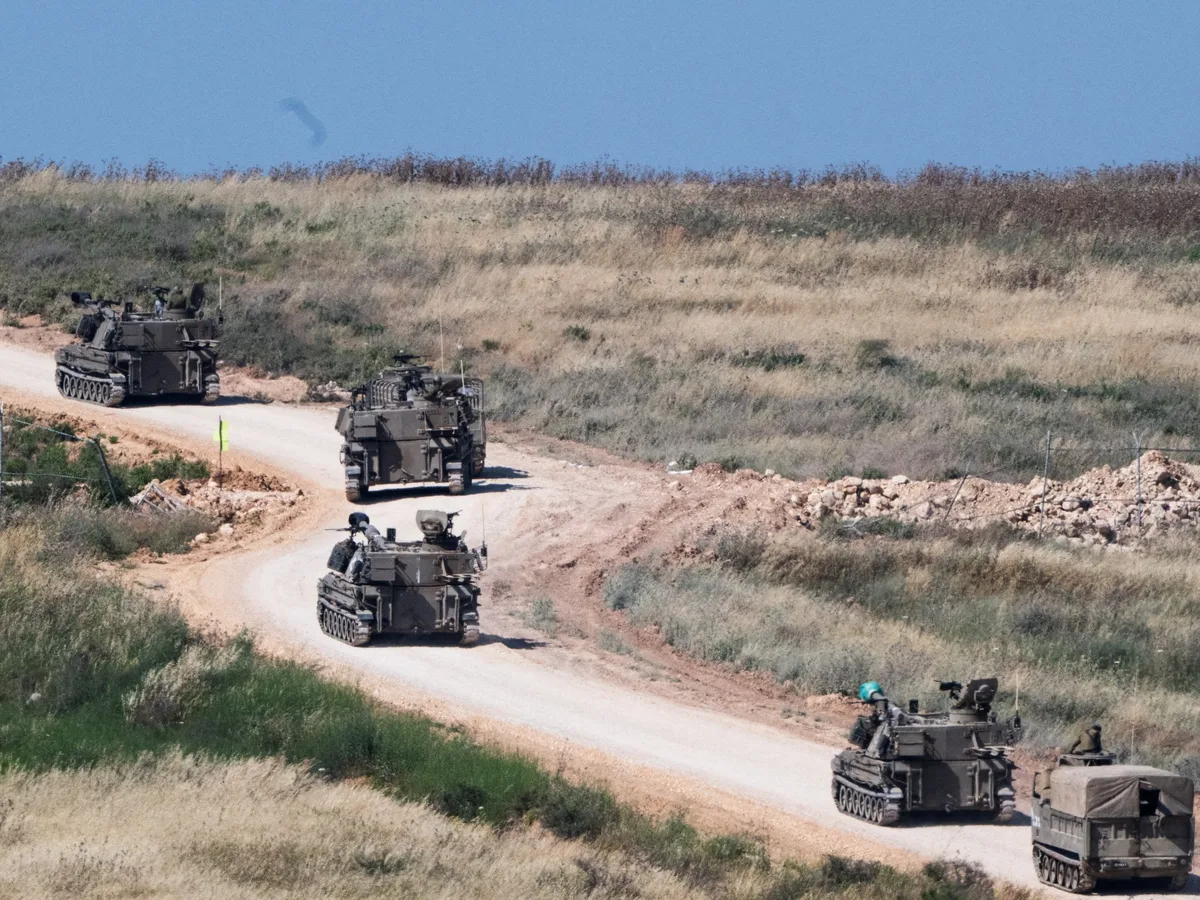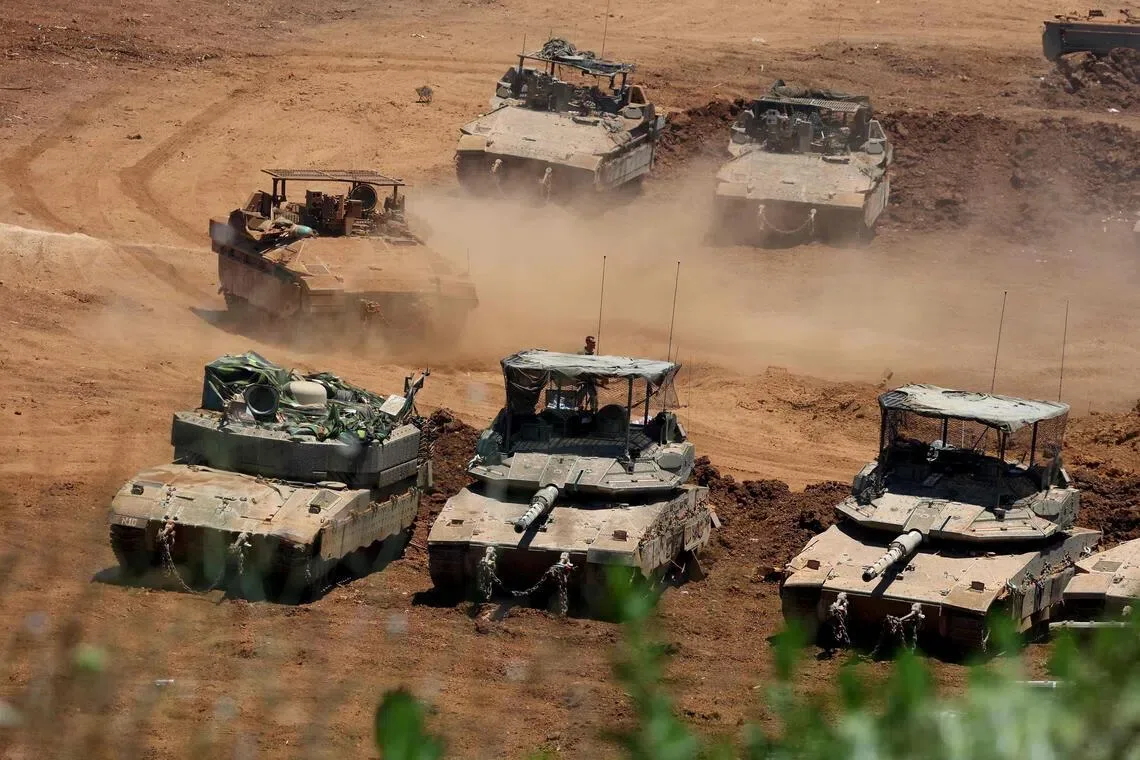
The United States will oversee Israel's withdrawal from two "pilot zones" in southern Lebanon, with the process launching within days, according to officials involved in the plan [1, 2, 3, 4, 5]. Under a framework agreement reached on June 26, Israel agreed to gradually pull back troops recently deployed against Hezbollah in southern Lebanon [1, 2, 4, 5].
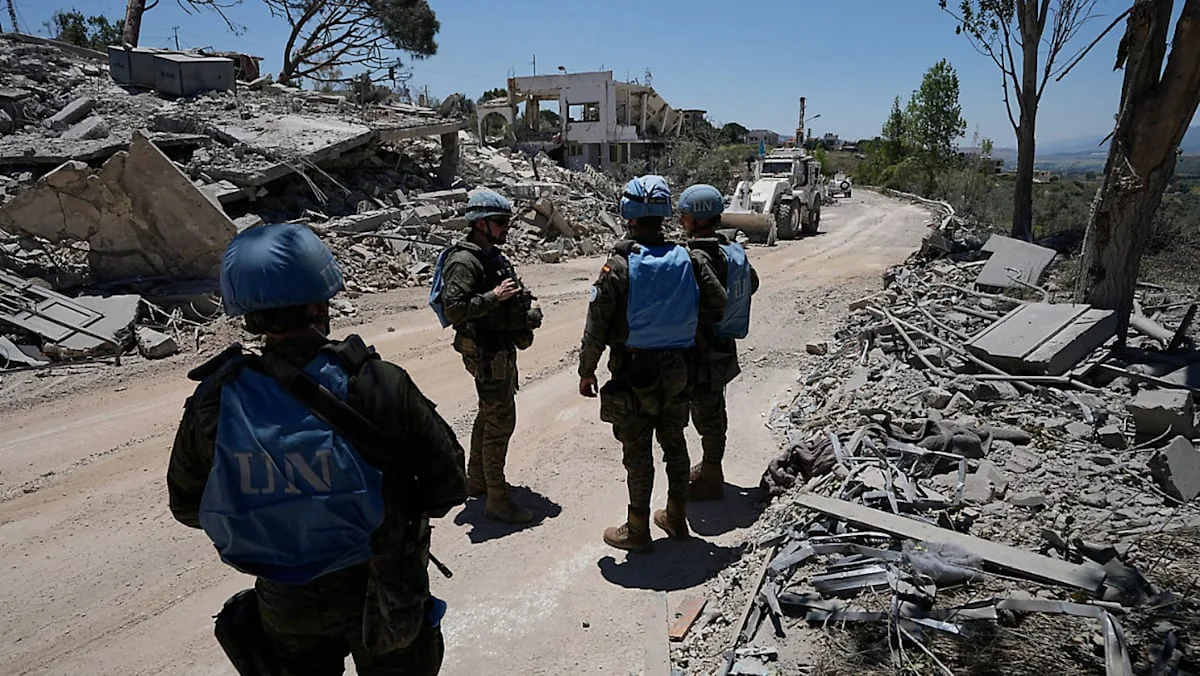
The Lebanese armed forces will take full control of these two small pilot zones as part of the phased withdrawal [1, 2, 3, 4, 5]. A US military delegation arrived in Beirut this week to discuss implementation mechanisms with the Lebanese army for the initial pilot zone [2, 4]. US Central Command will coordinate the withdrawal and the restoration of Lebanese sovereignty in the affected areas [1, 2, 3]. An anonymous US official said, "The first pilot zone will launch in a matter of days, and further pilot zones are being mapped out and planned" [1].
The agreement requires the disarmament of non-state armed groups such as Hezbollah before Lebanon can fully control the zones [1, 2, 4]. Israeli officials have pledged to maintain a 10-kilometer-deep security zone in southern Lebanon as long as Hezbollah remains armed [1, 2, 4]. Hezbollah rejects the framework and opposes direct Lebanon-Israel talks, preferring a ceasefire agreement between the US and Iran that includes Lebanon—though the group has held fire despite renewed clashes this week, according to Al Jazeera’s Heidi Pett [1, 2, 4].
New technical talks between Lebanon and Israel are scheduled to take place in Rome on July 14-15, closed to the press, focusing on details of the withdrawal process [1, 5]. US Ambassador Michel Issa noted moving negotiations to Rome was due to travel logistics for delegates [5]. Lebanese President Joseph Aoun plans to visit Washington on July 21 for talks with US President Donald Trump on implementing the framework agreement [5].
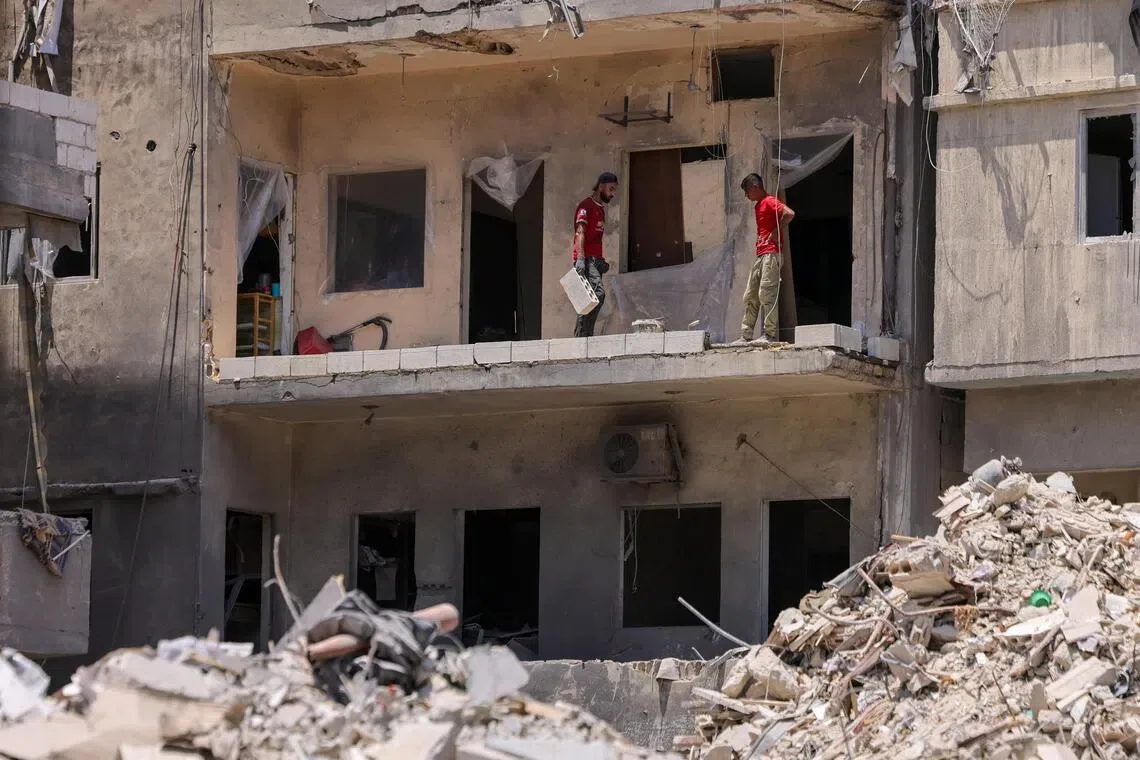
The ongoing conflict in Lebanon, which began in early March 2026, has displaced over 1 million people, with around 430,000 remaining displaced as of early July [4]. Israel has maintained intermittent military strikes in southern Lebanon despite the ceasefire framework agreement [2, 4].