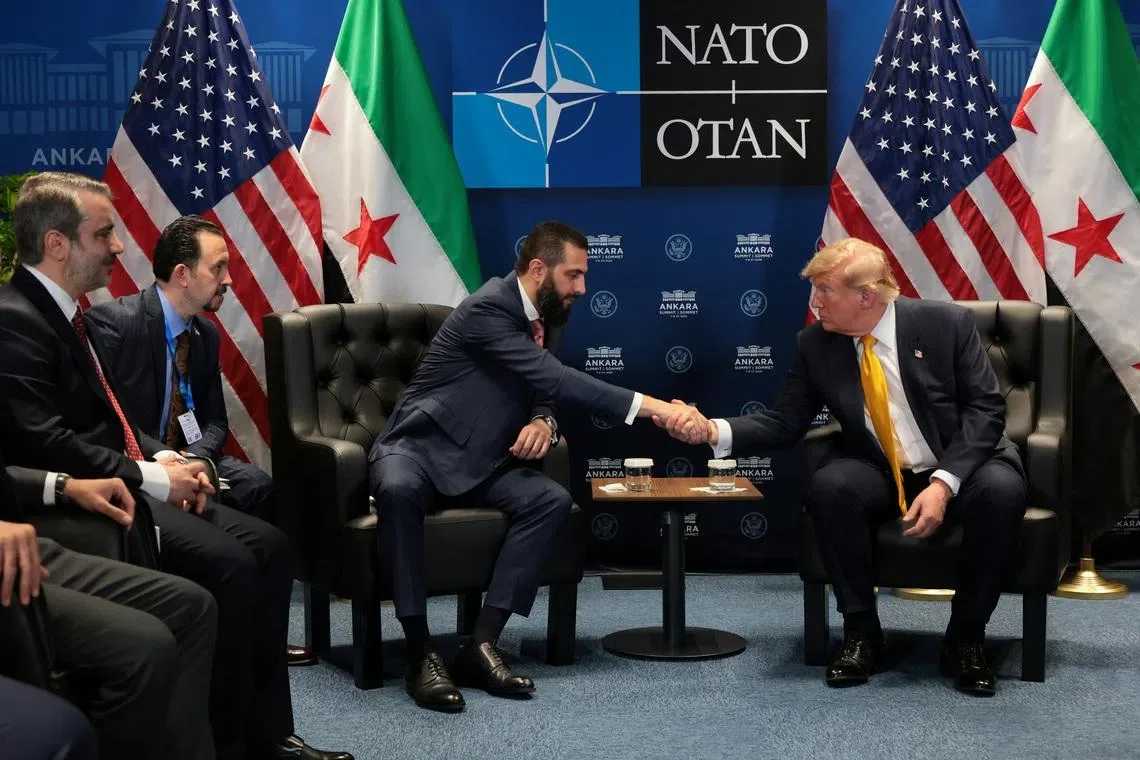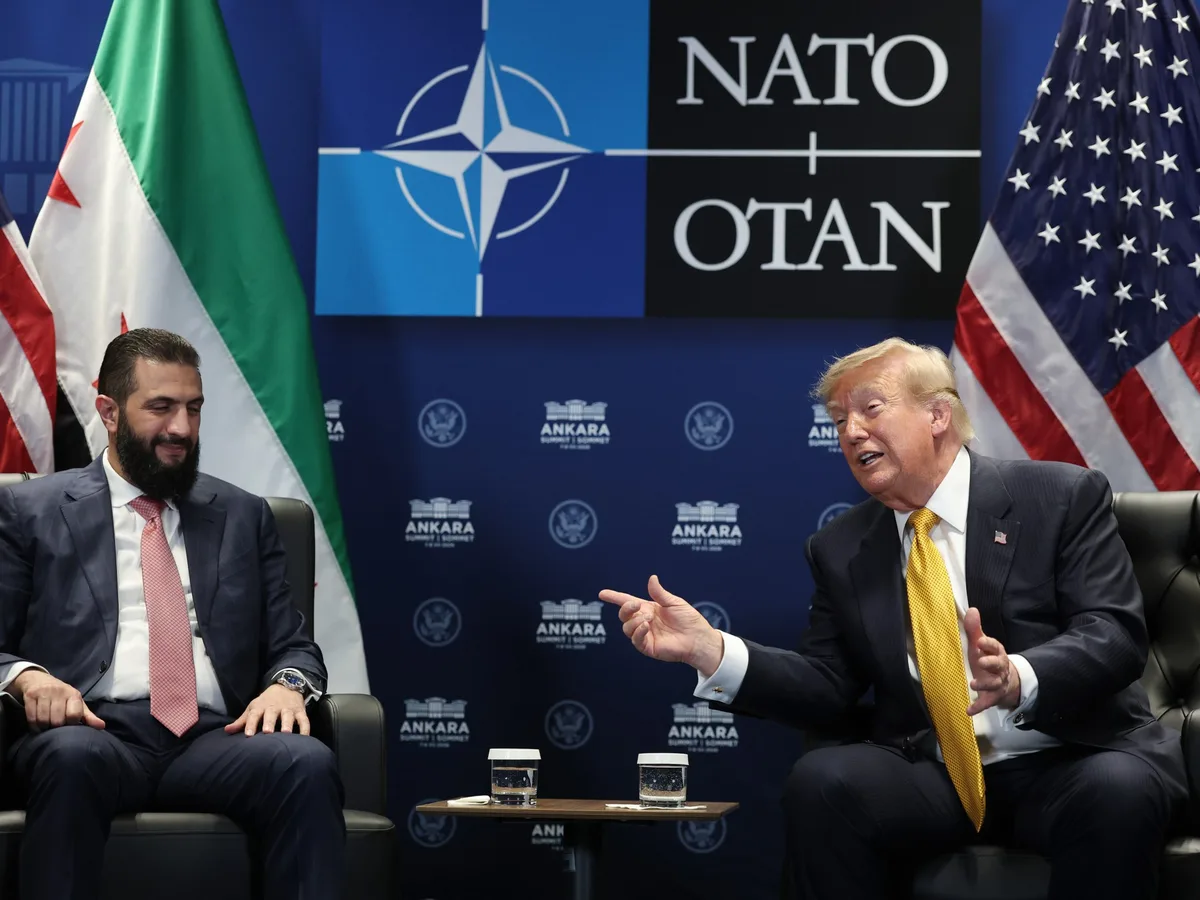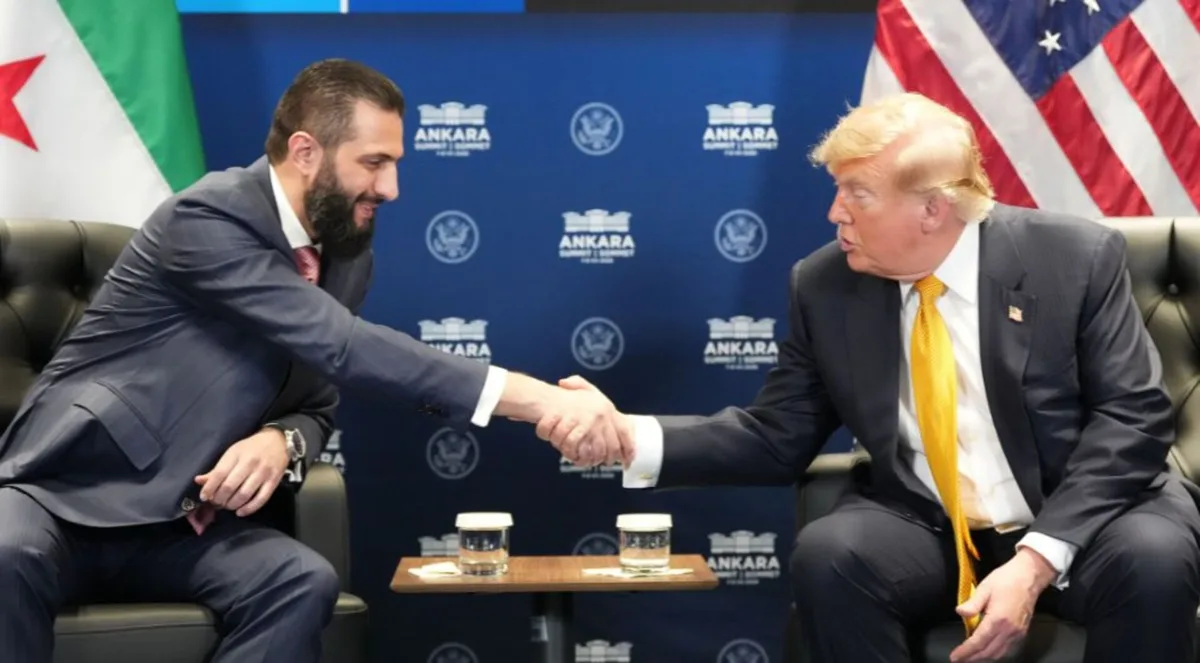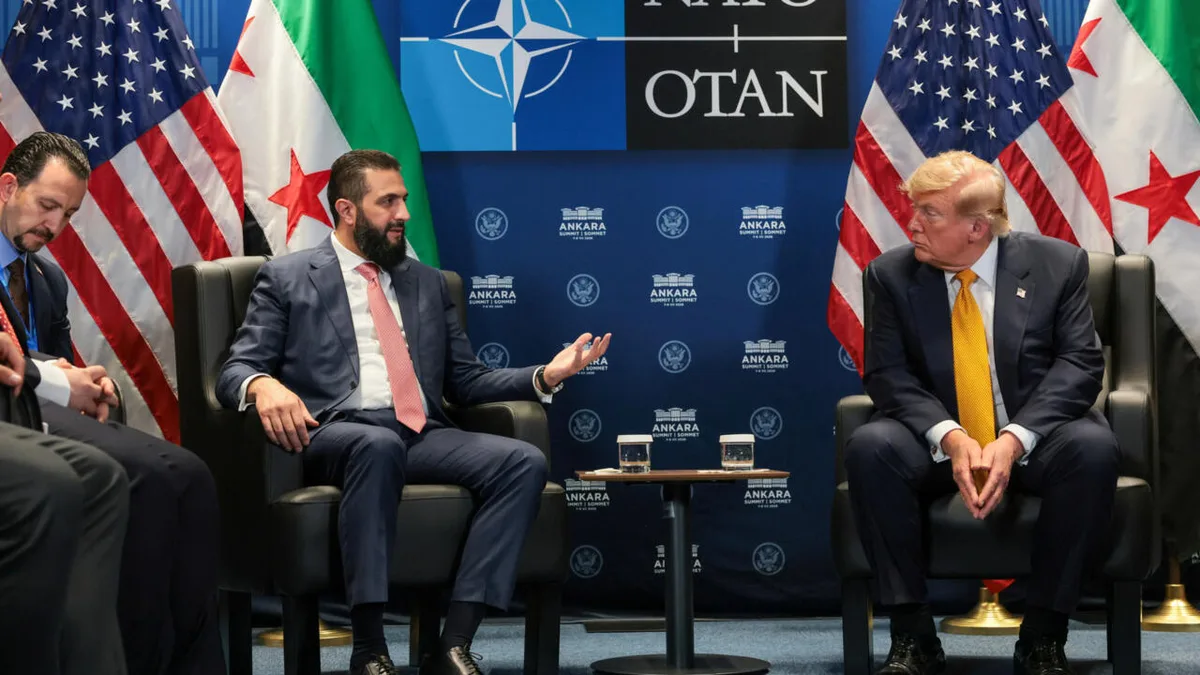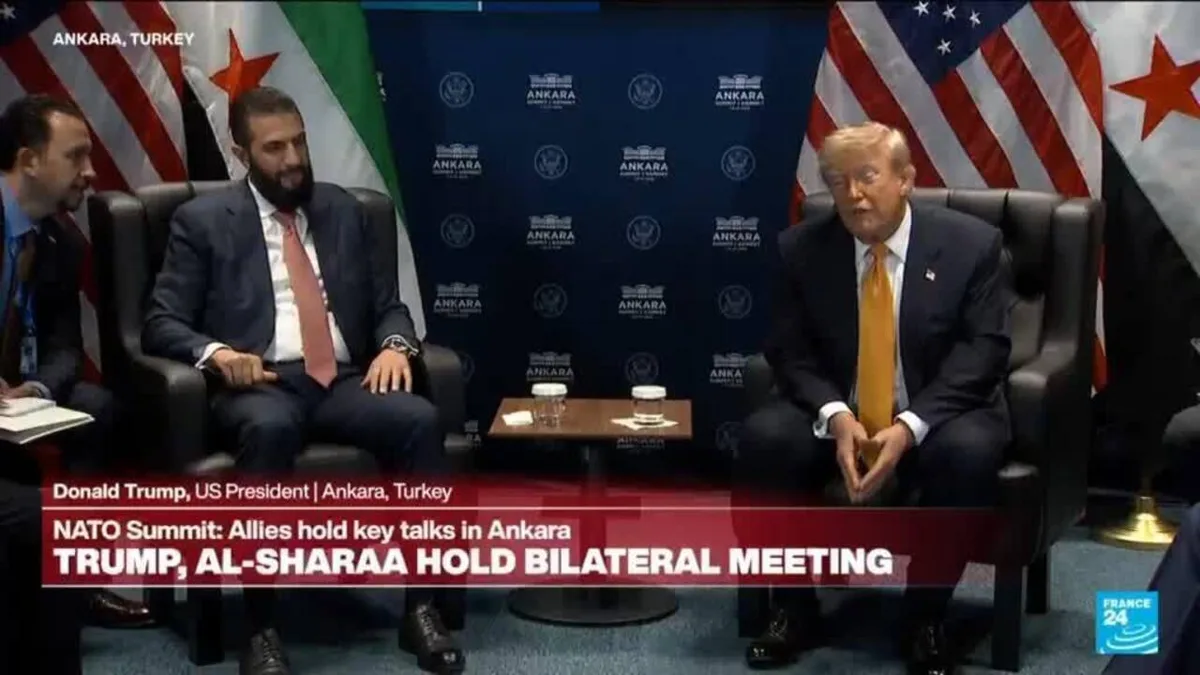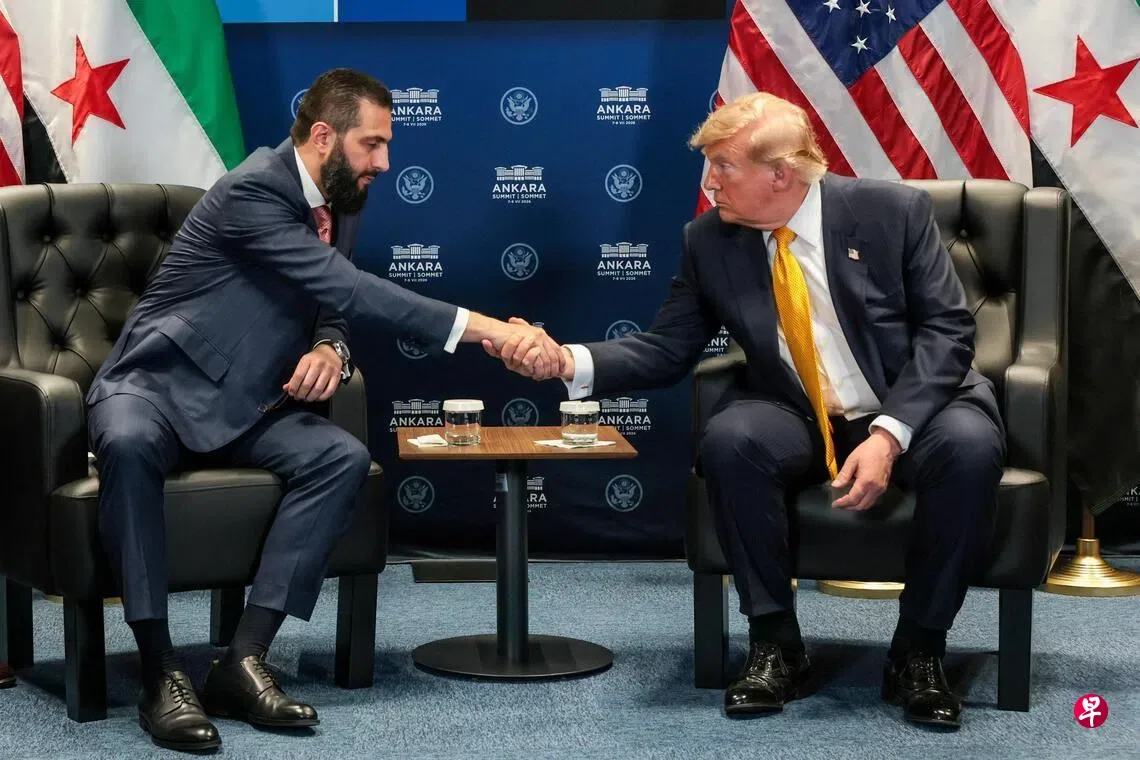
US President Donald Trump informed Congress on July 8, 2026, that he will remove Syria from the US list of designated state sponsors of terrorism, a status held since 1979 [1, 2, 3, 4, 5, 6, 7, 8, 9]. The decision came during a meeting in Ankara, Turkey, where Trump met Syrian interim President Ahmed al-Sharaa on the sidelines of a NATO summit [1, 2, 3, 4, 5, 6, 7, 8, 9]. Trump praised al-Sharaa, saying, "He's respected by everybody, including me," and credited him with unifying Syria [1, 2, 3, 4, 5, 6, 9]. Trump added, "I promised to remove all barriers stopping you from rebuilding your country, and very soon, you will finally be able to do so," and emphasized US companies were ready to invest in Syria [1].
Al-Sharaa was a former commander of the al-Qaeda affiliated Nusra Front who severed ties in 2016 [1, 3, 4, 5, 8]. He led the coalition that toppled Bashar al-Assad's regime in December 2024 [1, 3, 8]. Since 1979, Syria's designation as a state sponsor of terrorism has restricted US foreign aid, defense exports, and certain financial transactions [1, 3, 4, 5, 8, 9]. Trump's administration took prior steps toward normalization, including signing an executive order last month ending a US sanctions program on Syria to allow re-entry into the international financial system [1, 3, 5, 8].
Saudi Arabian and other Gulf firms have pledged billion-dollar investments and aid to support Syria's recovery, signaling growing regional backing [1, 3, 5, 8, 9]. Trump commended al-Sharaa's efforts against the Islamic State militant group in the region [1, 5]. However, despite US moves, Israel remains concerned and continues air strikes on Syrian targets [4, 10, 9]. Al-Sharaa has indicated Syria does not intend to militarily intervene against Hezbollah in Lebanon, contrary to some US hopes [2].
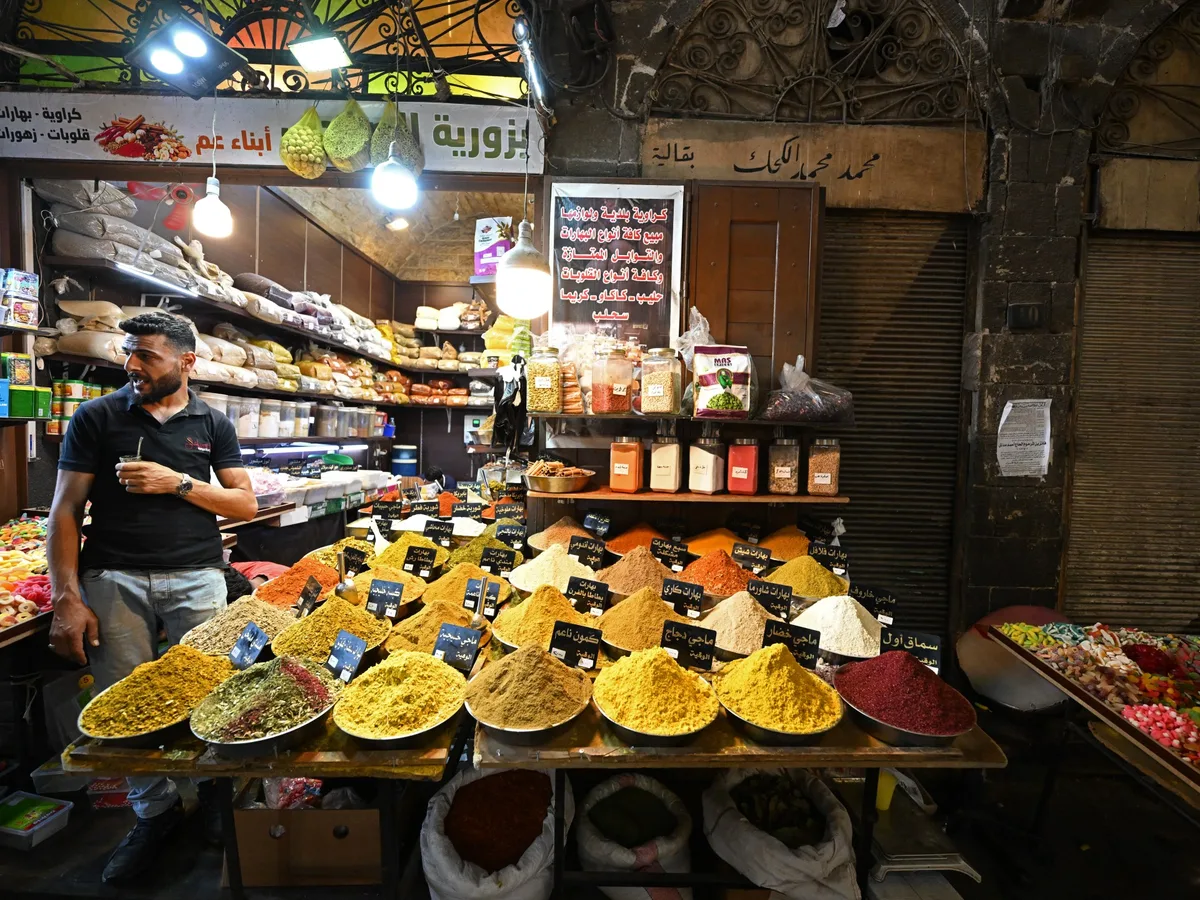
The removal will take effect 45 days after notification unless Congress objects, setting a planned effective date of August 22, 2026 [1, 2, 3, 4, 5, 6, 7, 8, 9]. Senator Marco Rubio called the step "yet another historic step by President Trump to give the Syrian people a chance at greatness," adding that it would "unlock international trade and investment" and "open up a new chapter for the Syrian people" [4, 9]. Many Syrians are reportedly cautiously optimistic about prospects for economic recovery following the sanctions lift [11].