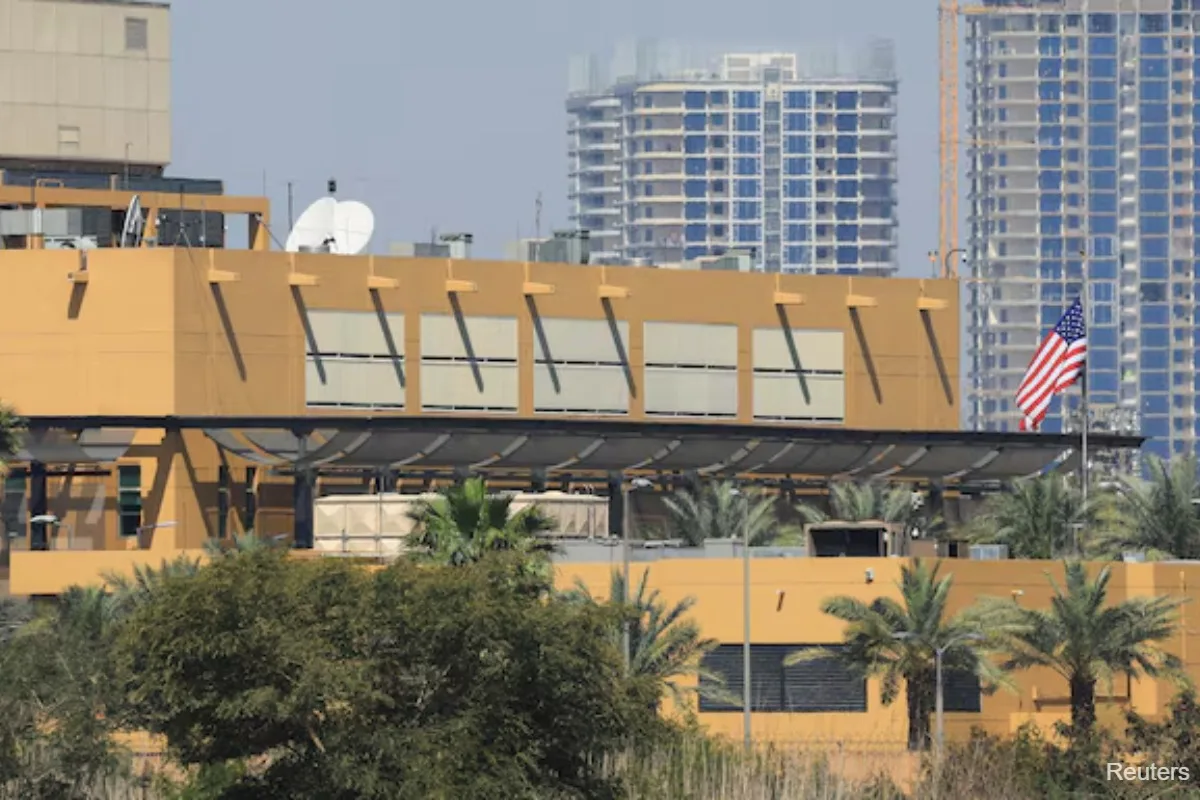
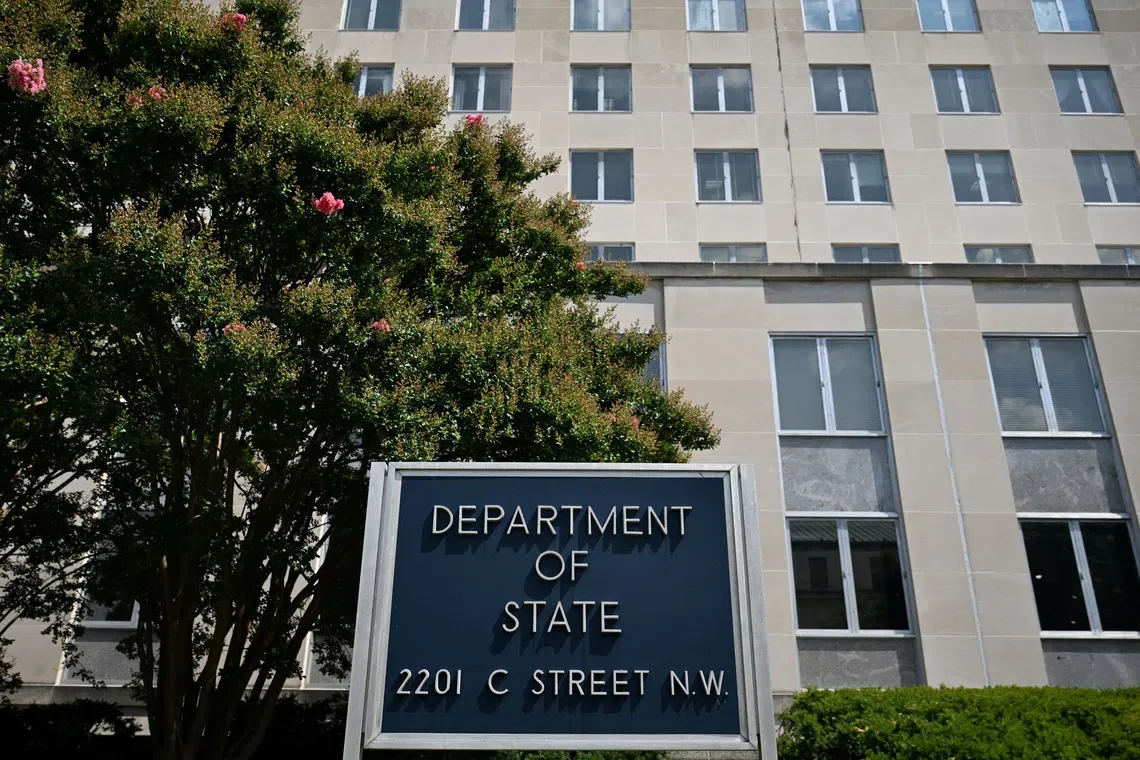
The US State Department is preparing to return diplomats to Middle East embassies that were evacuated or downsized earlier this year amid escalating tensions with Iran. The return process could start as early as the week of August 25, 2026, officials said [1, 2, 3].
The initial diplomat redeployments will begin at the US Embassy in Lebanon. However, full staffing will not be restored there immediately, reflecting ongoing security concerns [1, 3]. The embassies in Israel, Jordan, and Oman are expected to eventually return to full staffing levels [1, 2].
Several other posts will resume operations with reduced personnel. The staffing at embassies in the United Arab Emirates, Saudi Arabia, Qatar, and Lebanon will be capped at around 85% of their authorized personnel levels. Iraq, Kuwait, and Bahrain will initially have staffing limited to approximately 75% [1, 2, 3]. Restrictions will remain on diplomats bringing family members to posts in the Gulf states and Lebanon due to security risks [3, 4].
The US began evacuating diplomatic personnel and family members from Middle East missions in late February 2026 following joint US-Israeli strikes on Iran. This followed a series of attacks on US embassies in Gulf countries, including Saudi Arabia and Kuwait, that forced some temporary closures [1, 2, 5].
The decision to return diplomats suggests that the Biden administration believes the immediate risk of a renewed full-scale conflict with Iran has decreased. Dan Shapiro, former US ambassador to Israel, said returning personnel "suggests the administration believes the war is winding down" [3, 6]. However, former officials caution that the deployments do not rule out future military action, and evacuation could happen again if threats escalate. Robert Danin, a former deputy assistant secretary of state, said, "Bringing back embassy staff does not tie their hands for taking action against Iran in the future. They did it once. They can do it again." [6]
Despite stalled US-Iran talks and fresh US sanctions targeting Iranian military and economic activities announced on August 24, 2026, the US government is proceeding with the phased diplomatic staff return [3, 7, 8]. Pakistani military chief visits to Tehran earlier this week aimed at facilitating a ceasefire signal continuing diplomatic efforts amid the stalemate [8].
Several embassy posts will continue to operate below full capacity for security reasons, and family member restrictions remain in place across the Gulf and Lebanon posts [2, 9, 6].
The redeployment of diplomats will start this week in Lebanon, with follow-on moves planned to other Middle East embassies including Israel, Saudi Arabia, Qatar, Jordan, Oman, Iraq, Kuwait, and Bahrain [1, 2, 3].