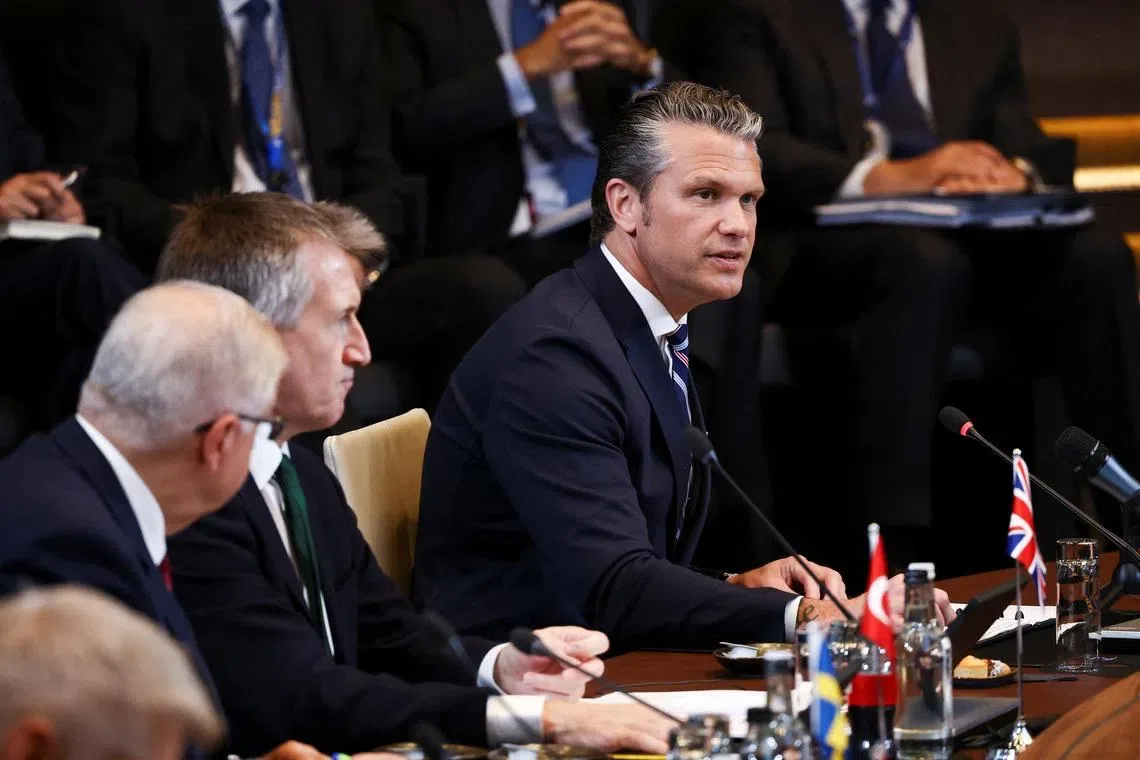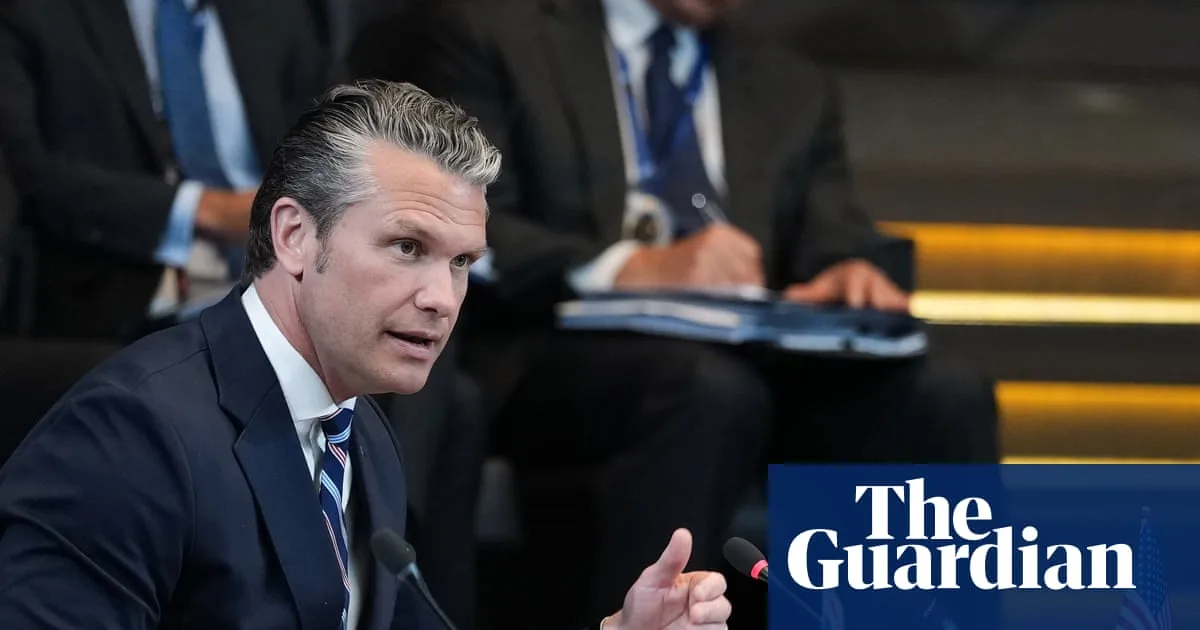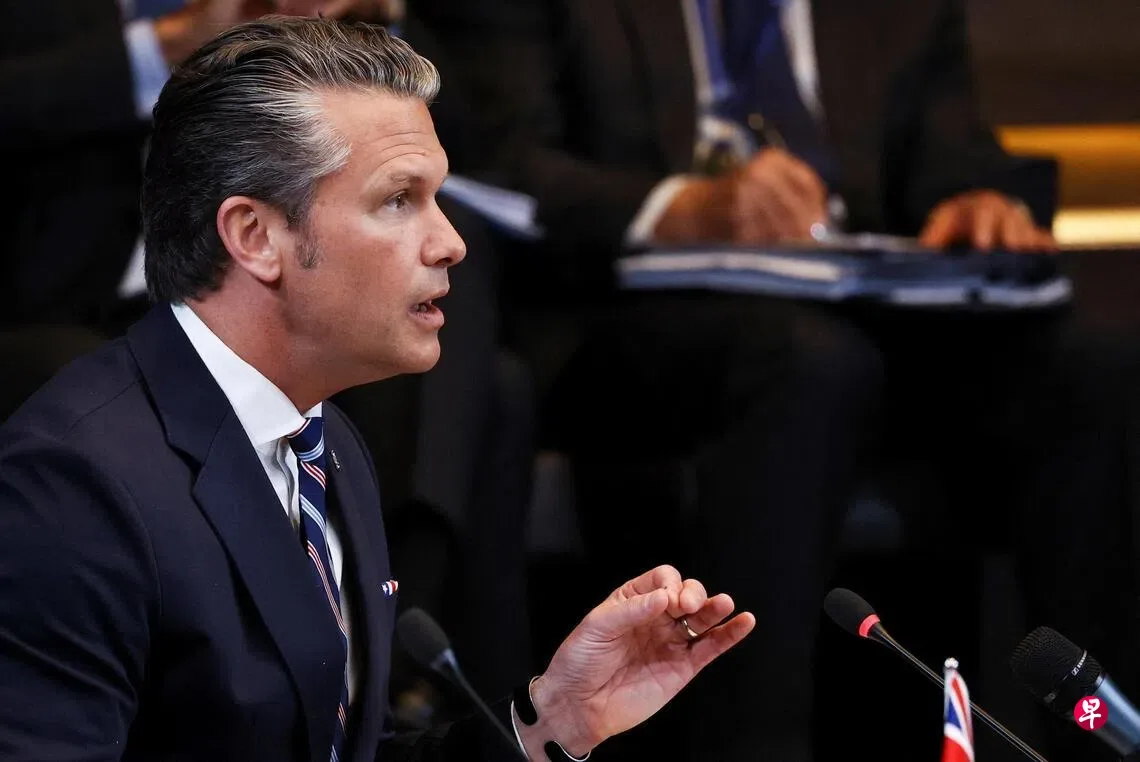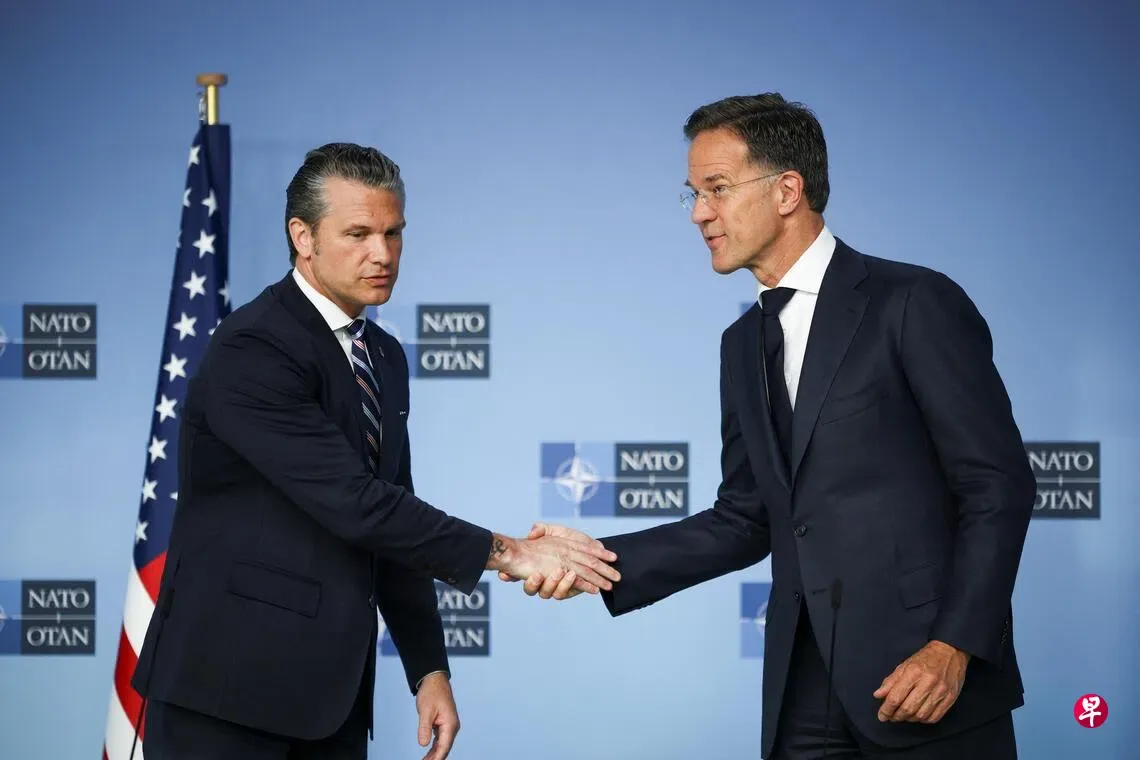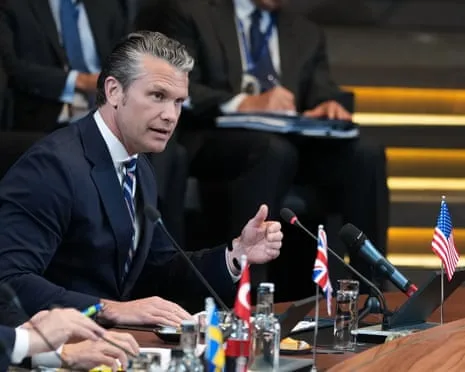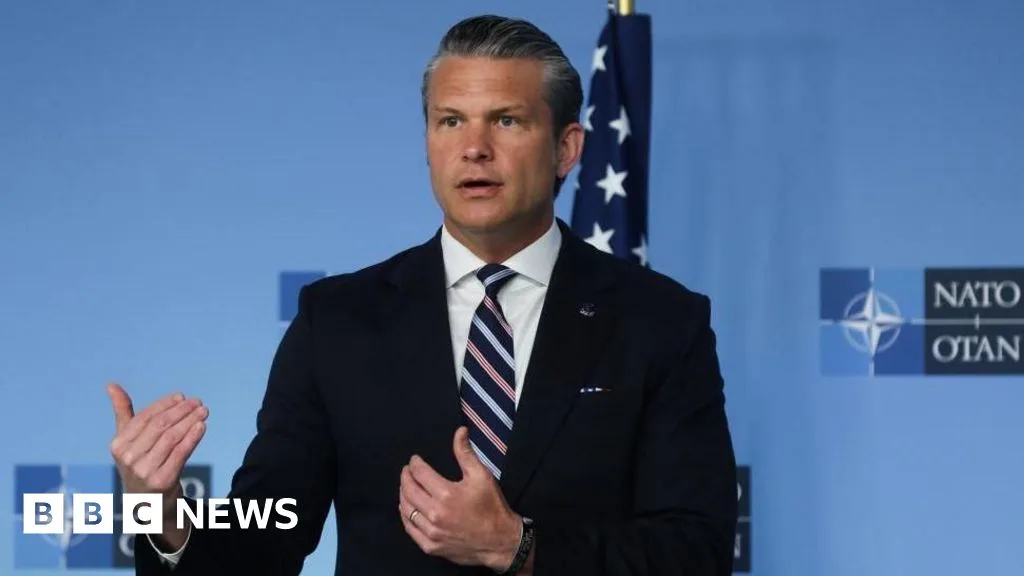
US Defense Secretary Pete Hegseth announced a six-month review of the American military presence in Europe to ensure NATO members take primary responsibility for their own defense [1, 2, 3, 4, 5, 6, 7, 8, 9, 10]. Hegseth said, "Make no mistake about it, this will be a real review. It will be designed to ensure that NATO is moving fast and irreversibly toward Europe leading, stepping up to take primary responsibility for the defense of Europe" [2]. He added, "Some countries will fail, and others will pass with flying colours" [1, 6].
The review aims to pressure European NATO allies to increase defense spending to meet agreed targets that include 5% of GDP on defense-related costs, covering 3.5% core defense and 1.5% infrastructure [1, 2, 3, 4, 5, 6, 7, 8, 9, 10]. Hegseth sharply criticized some allies for "free riding" and failing to support US forces during the recent US-Israel conflict with Iran by restricting access to bases and airspace. "It was shameful. These allies, they put America's sons and daughters, our sons and daughters, at risk. There's no excuse for that," he said [1, 2, 3, 4, 5, 6, 7, 8, 10]. He warned NATO would no longer tolerate such behavior, saying, "NATO is no longer a paper tiger or a one-way street. Now all of that ends" [10].
At the same time, Hegseth acknowledged progress by many countries. "Some of our allies have gotten the message and stepped up. You know who you are, and we very much appreciate it," he said [3, 6, 7, 9]. NATO Secretary-General Mark Rutte noted European defense spending rose by nearly 20% last year, increasing about €90 billion ($103 billion) compared to 2024. "We are witnessing huge sums flowing in," Rutte said [1, 9, 10]. However, some countries like Slovenia and the Czech Republic are expected to miss the 2% GDP defense target this year [9].
The US has already cut contributions to NATO's high readiness crisis force, reducing strategic bombers, fighter jets, reconnaissance drones, and naval vessels available for NATO missions [1, 2, 4, 8, 10]. There is some disagreement on the scale of cuts. One account says strategic bombers will be cut by 30%, fighter jets by a third, and naval vessels halved [4]. Another says a third of 150 US F-16 and F-15 jets will be redeployed with other aircraft and ships impacted [5]. The US will maintain its nuclear weapons presence in Europe, with NATO’s nuclear planning group reaffirming the role of strategic nuclear forces as the security cornerstone [4, 10].
Germany’s defense minister urged better coordination with the US to ensure troop reductions do not leave Europe vulnerable in a conflict [4]. NATO members worry these cuts could reduce deterrence, especially regarding Russian submarine tracking [5]. Meanwhile, Hegseth criticized some European allies for focusing too much on issues like gender equality and climate change instead of defense [10]. But others disagree, stressing substantial increases in defense budgets and rebuilding capabilities [1, 6, 9].
Future US payments of around $790 million in NATO organizational dues this year will depend on whether other countries meet spending commitments, Hegseth said. "Where other allies do not spend with urgency, our dues contributions will go down," he warned [3, 4, 6, 7, 8, 9, 10].
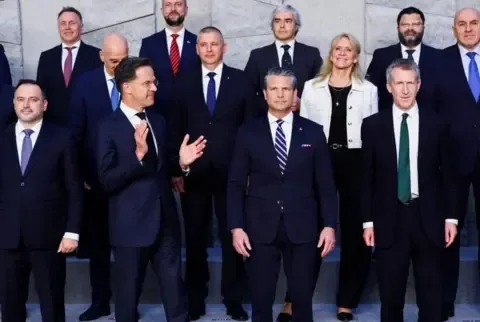
The review was announced on June 18 during the NATO defense ministers meeting in Brussels [1, 2, 3, 4, 5, 6, 7, 8, 9, 10]. The upcoming NATO summit in Ankara on July 7-8 will likely focus heavily on defense spending and burden-sharing [2, 4, 8, 9, 10].