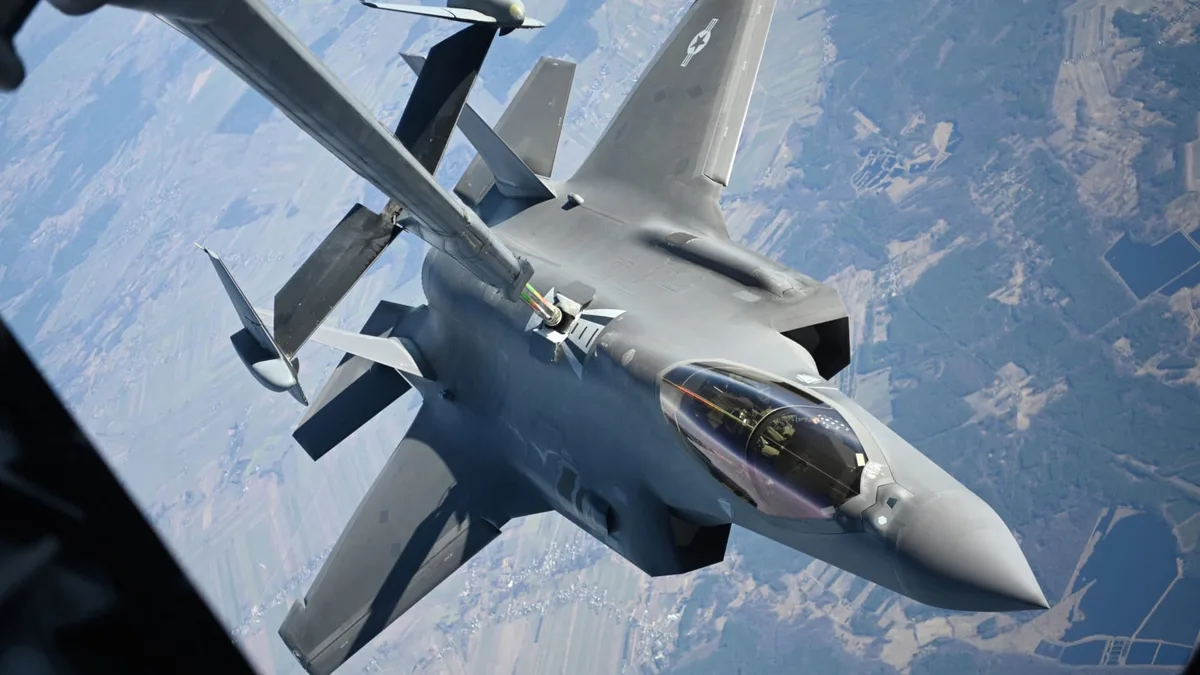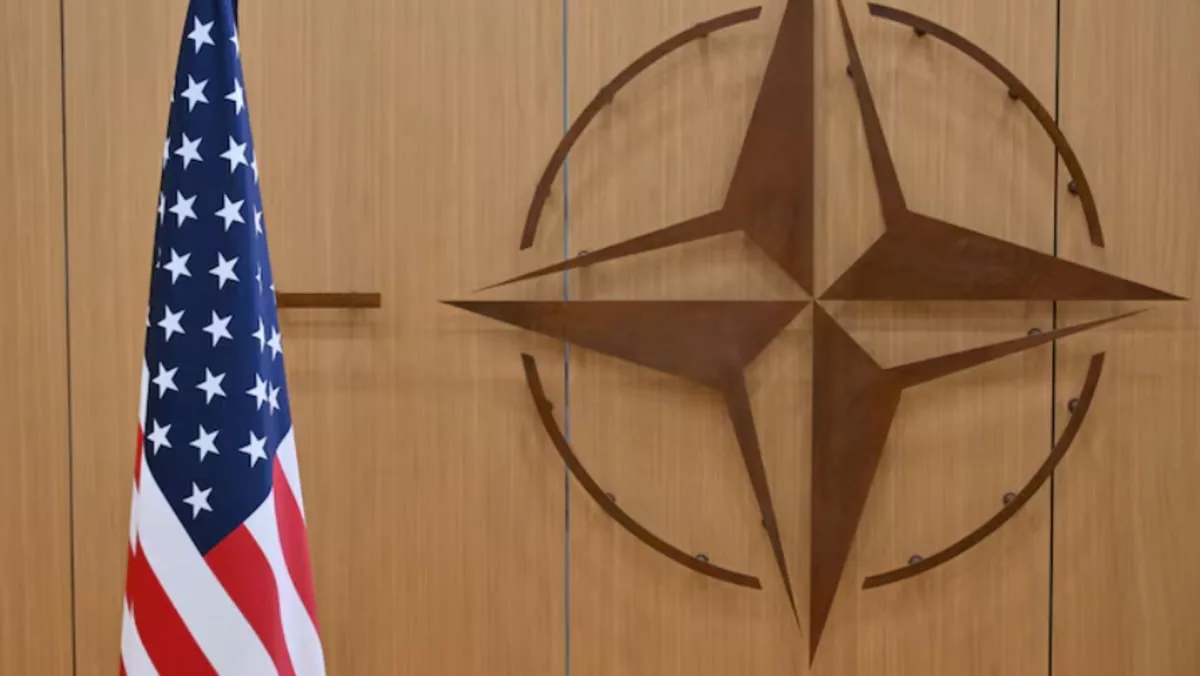
The United States is discussing expanding the presence of its nuclear-capable dual-use aircraft to more NATO members in Europe beyond the current six host countries: Belgium, Germany, Italy, Netherlands, Turkey, and the UK [1, 2, 3, 4, 5, 6, 7, 8]. Potential new hosts include eastern NATO members such as Poland and the Baltic states [1, 2, 4, 5, 6, 7, 9, 8]. These discussions remain confidential with no finalized agreements yet [1, 2, 3, 4, 5, 6, 7, 9, 8].
The expansion effort coincides with US plans to withdraw about 5,000 troops from Germany, a move announced at the end of May 2026 and initially expected to take 6 to 12 months [10, 11, 8]. The troop reduction timeline is now being accelerated, with details to be presented to NATO allies next month at the NATO Force Sourcing Conference [10, 11].
The US maintains full control over its nuclear weapons deployed in Europe, with allied aircraft authorized to carry out nuclear missions only under US command [1, 4, 5, 6, 8]. Lithuania’s Defense Minister Robertas Kaunas confirmed ongoing classified talks, stating, "Lithuania is certainly not standing on the sidelines" in these discussions [9]. Eastern NATO countries are pushing for greater nuclear deterrence assurances amid Russia’s invasion of Ukraine and President Vladimir Putin’s repeated nuclear threats [1, 4, 5, 7, 8].
A NATO official said the alliance has been reviewing its nuclear deterrence posture for several years, clarifying the process is unrelated to the US conventional troop adjustments in Europe [3]. Meanwhile, the US Pentagon announced on June 4 that it will reduce brigade-level troop rotations in Europe, including withdrawals from Baltic countries like Lithuania and Estonia, returning troop levels to those of 2021 [12].
Market analyst Dan Coatsworth of AJ Bell noted that increased nuclear deployments could generate significant jobs and economic opportunities [3]. The US plans to present its accelerated troop withdrawal and military adjustment proposals to NATO members in June 2026 [10, 11].