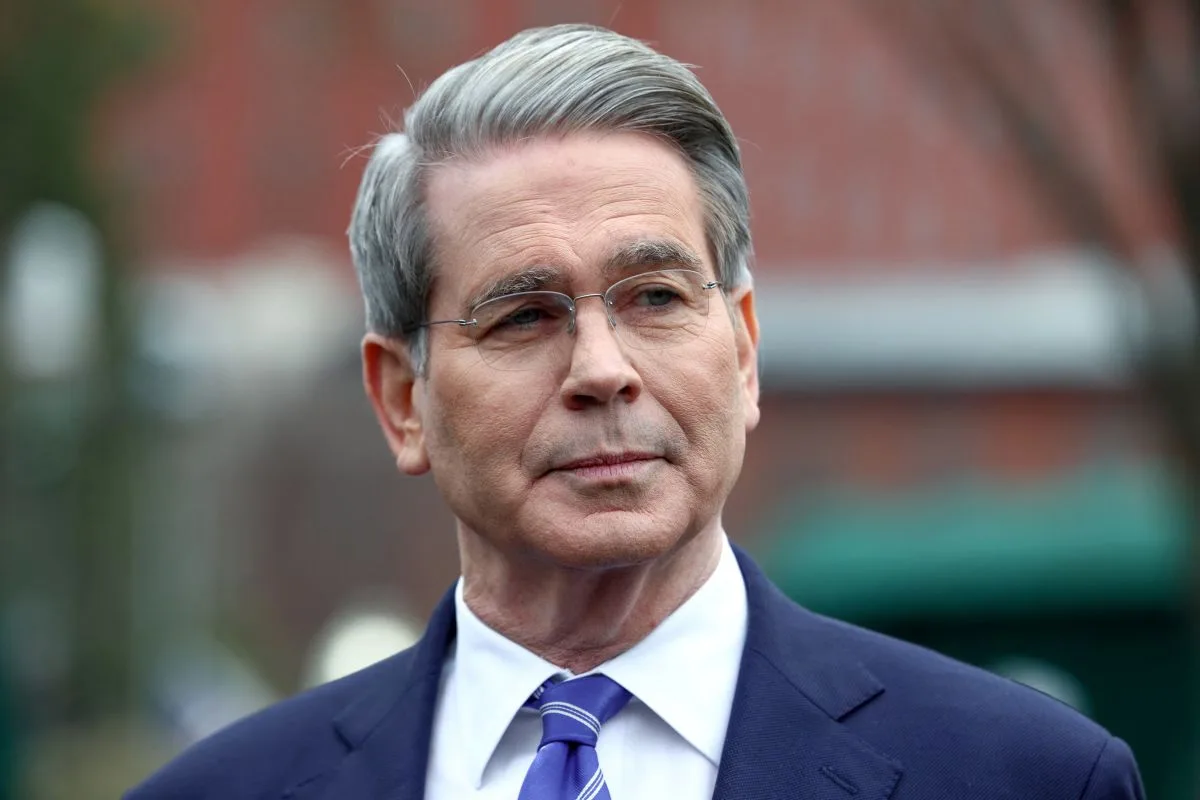
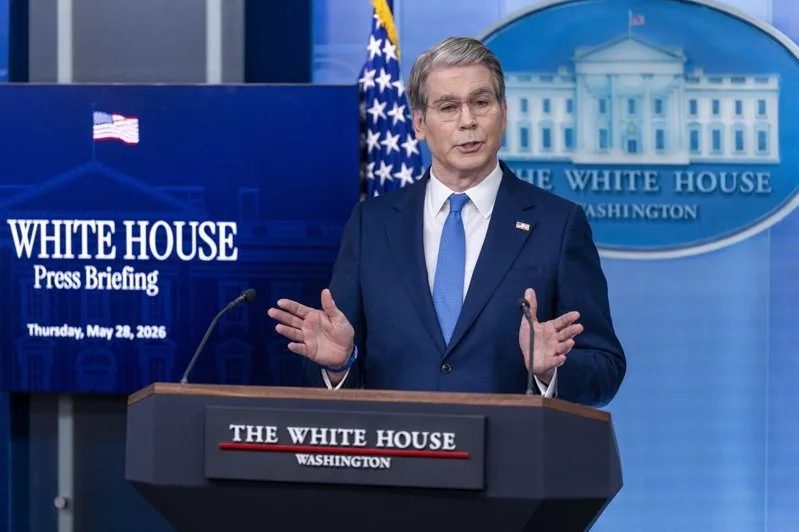
US Treasury Secretary Scott Bessent said on May 29 at the Ronald Reagan Presidential Library in California that President Donald Trump's economic policies are addressing long-standing US policy failures that weakened economic security and increased reliance on foreign rivals including China [1, 2, 3, 4, 5, 6].
Bessent argued that the US had been "asleep" for years, confusing comfort and consumption with real strength by prioritizing efficiency over resilience [1, 2, 3, 4, 5, 6]. He said, "Somewhere along the way, we lost sight of a foundational principle that previous generations understood instinctively: economic security is national security" [1]. He repeated this in Chinese as well, underscoring the point [2].
He cited policy errors by both parties, such as allowing China to join the World Trade Organization and relying too heavily on rules-based trade systems that failed to account for non-market economies. These decisions eroded the US industrial base and made the country overly reliant on foreign suppliers for critical materials and inputs [1, 2, 3, 4, 5, 6].
Bessent said dependence on rivals undermines the US's ability to defend the international order, posing a national security risk [1, 2, 3, 4, 5, 6].
He credited Trump’s "America First" agenda, including tariff actions grounded in national and economic security concerns, along with government efforts to rebuild American shipbuilding and domestic supply chains for critical minerals and pharmaceuticals. These policies aim to begin correcting past mistakes and restore economic and security resilience [1, 2, 3, 4, 5, 6].
Bessent’s prepared remarks did not introduce any new economic initiatives nor mention current economic threats such as the Iran war or potential disruptions at the Strait of Hormuz [2, 3, 4, 5, 6].