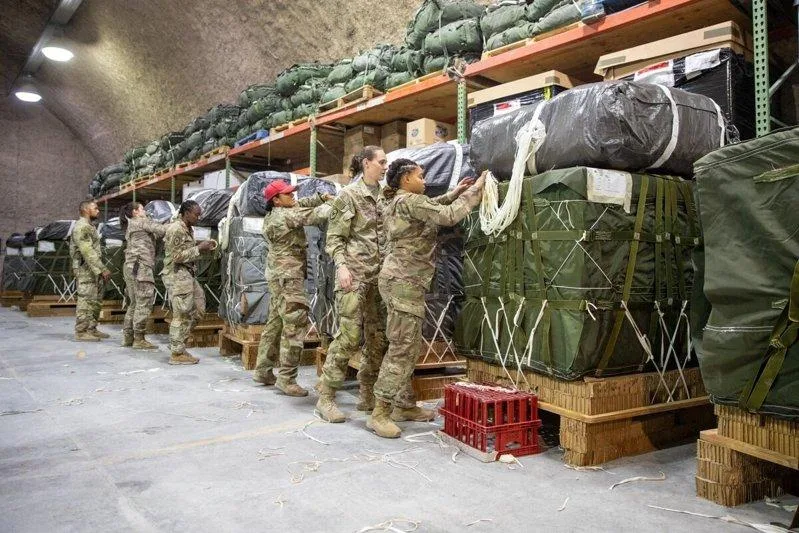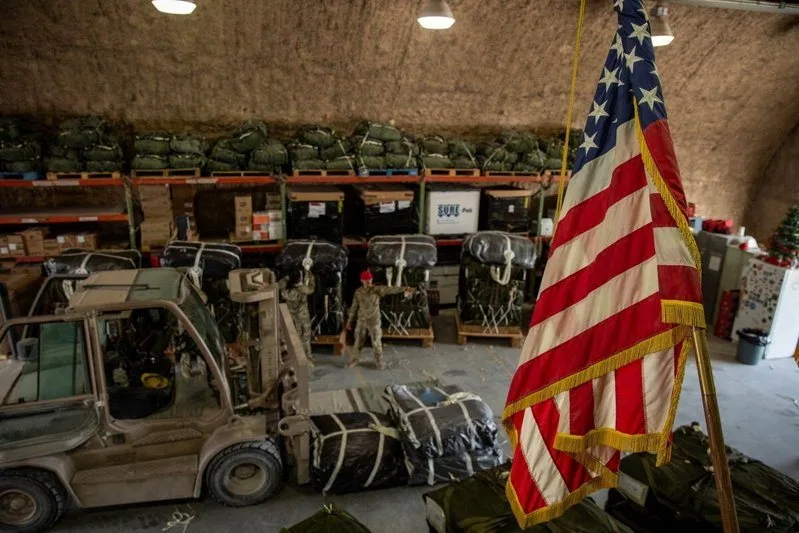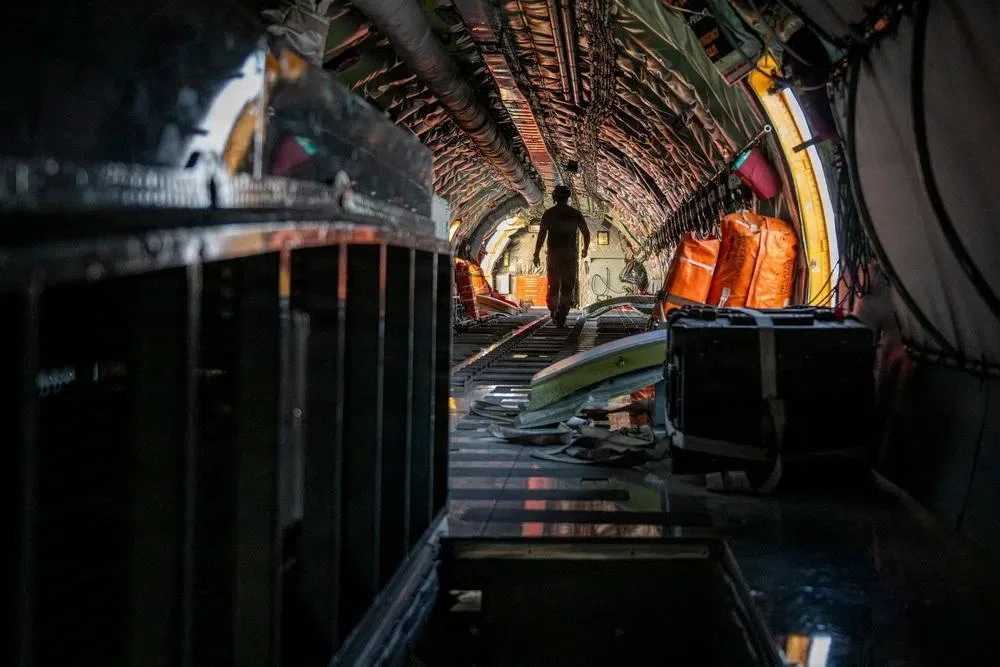
The conflict between the US and Iran has lasted 14 weeks, described as neither full-scale war nor peace, with a fragile ceasefire holding amid ongoing hostilities [1, 2, 3]. US troops in the Middle East remain at a constant level 10 alert, prepared to respond immediately to any escalation, reflecting the tense environment on the ground [1, 2, 3].
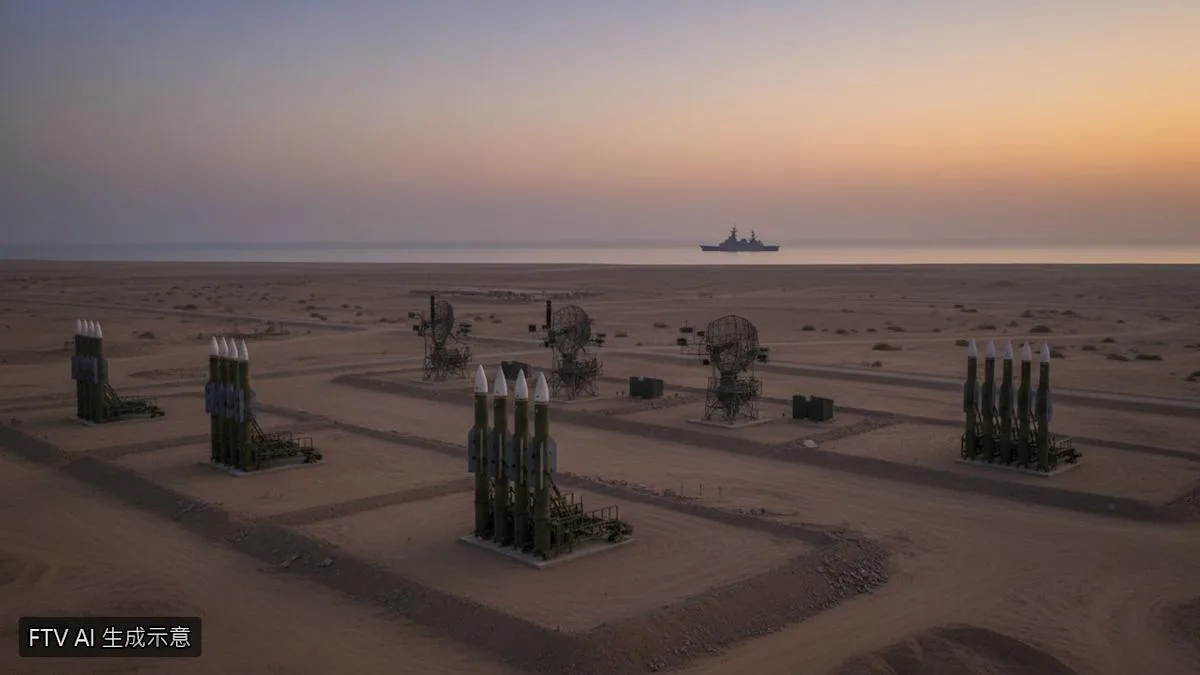
Iran continues to blockade the strategic Strait of Hormuz and has launched ballistic missile attacks on US allies Bahrain and Kuwait as recently as June 5, intensifying regional tensions [1, 3]. The US Navy is actively blockading Iranian ports as part of its operations in the area [1, 3].
The prolonged conflict and high readiness posture have taken a toll on US forces. About 400 service members have been wounded, many sustaining traumatic brain injuries, and 13 have died [2, 3]. Despite these casualties, over 90% of wounded personnel have returned to duty following treatment [2].
US military leadership is under considerable strain. Former Central Command commander Joseph Votel called the situation "a very, very dangerous period for us," adding it "puts on a lot of pressure on leaders to make sure that people are still at their edge" [1, 2]. The conflict's protracted nature is causing significant psychological and physical stress among troops and anxiety within their families [1, 2, 3].
Defense officials warn of serious munitions depletion. US Defense Secretary Pete Hegseth said, "The US cruise missiles and air defense missiles may take years to fully replenish" due to high usage [2, 3]. Despite material constraints, Pentagon spokesperson Sean Parnell praised the troops, saying, "They have courage, readiness, toughness, and unmatched professionalism, which make them the strongest fighting force in human history" [1, 2].
Public support for the military action remains low. A May 2026 Reuters/Ipsos poll found only about 25% of Americans believe the military action in Iran is justified [2, 3].
The conflict was triggered around February 16 when US President Donald Trump ordered the attack that started hostilities, followed by a declared ceasefire in April that failed to end the fighting [1, 3].
US forces are expected to maintain their high alert status amid the ongoing stalemate and regional provocations.