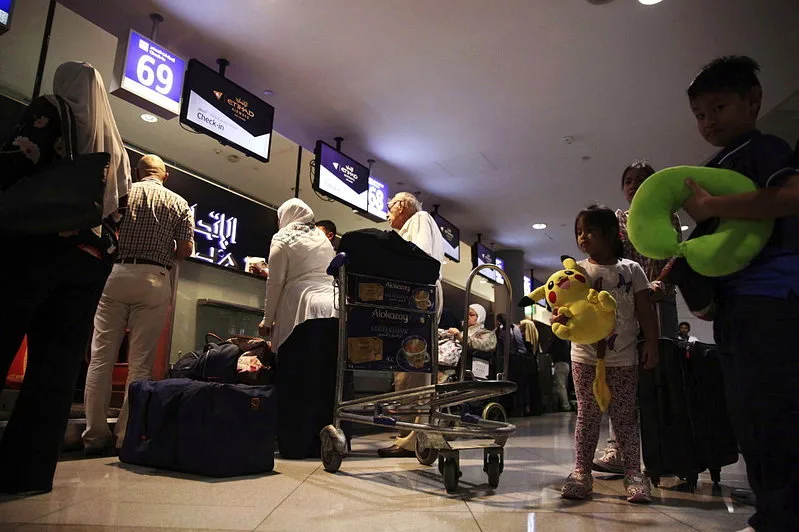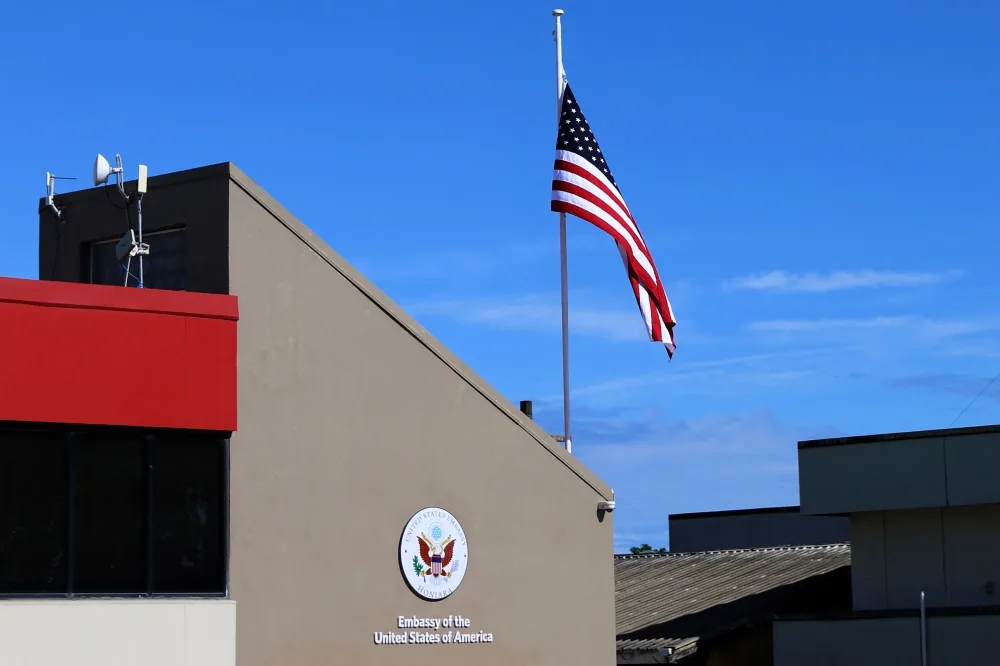
The US State Department on August 1 issued a security advisory urging American citizens in Bahrain, Egypt, Iraq, Israel, Jordan, Kuwait, Lebanon, Oman, Qatar, Saudi Arabia, and the UAE to consider departing or be ready to leave due to potential escalation in regional conflict [1, 2, 3]. The advisory warned of possible flight cancellations, periodic airspace closures, and other travel disruptions that could affect Americans in these countries [1, 2, 3, 4].
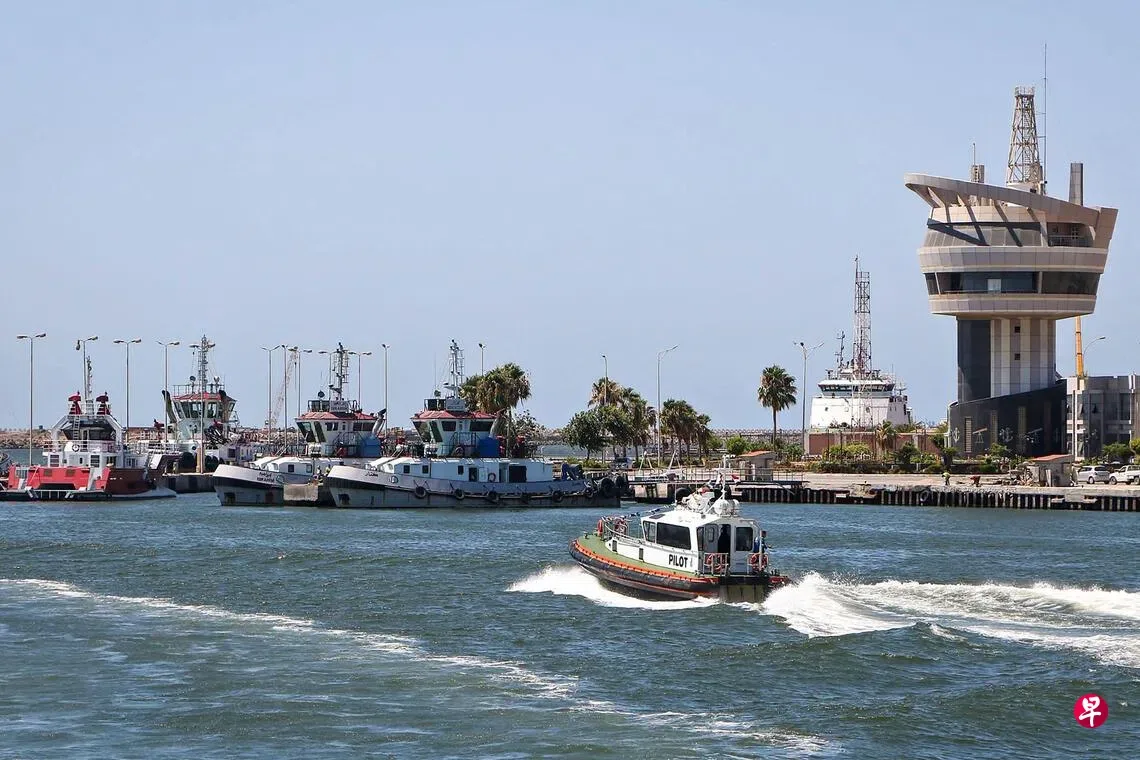
In Jordan, US citizens were advised to avoid areas near recently attacked US military bases, while those in Israel were urged to seek the nearest bomb shelters [1, 3]. The warning came after a drone attack on July 29 targeted a US liquefied natural gas tanker docked in Damietta, Egypt, causing a fire; Egyptian authorities are investigating but have not assigned blame [1].
The tensions stem from a six-month conflict that began February 28 between the US and Iran. Despite a brief ceasefire in June, hostilities resumed with intense airstrikes by both sides [2, 3]. US President Donald Trump threatened to strike Iran "very hard," and Iran vowed retaliation, including missile and drone attacks intercepted by Kuwaiti forces on August 1 [2, 3, 4]. Ali Abdollahi, head of Iran's military central command, said "any country serving as defensive shield for criminal and aggressive America will be engulfed by the flames of war" [3].
Iranian military advisers warned that attacks on Iran's infrastructure would "awaken the fault lines on which 250 years of your hegemonic architecture have been built," according to Mohammad Mokhber, adviser to Iran’s supreme leader [3]. Iranian forces claimed to have destroyed several US F-35 fighter jets in Jordan with ballistic missiles on August 2, though US and Jordanian officials have not confirmed this claim, leaving it unverified [4, 1, 2, 3].
The US Central Command deployed a CH-47 Chinook heavy transport helicopter to the region to support potential movement of personnel and equipment amid rising risks [4]. Meanwhile, US and Israeli officials are reportedly discussing possible expanded strikes on Iranian power plants and oil refineries, though it is unclear if final authorization has been granted [4]. US officials have made no explicit confirmation of new military target lists [2, 3].
The advisory signals heightened concern as the conflict’s risks grow. The State Department emphasized that Americans in the Middle East "should exercise caution and heightened vigilance and should be prepared for flight cancellations, periodic airspace closures, and potential travel disruptions" [2].
The US and Iran have yet to reach a lasting ceasefire, with Iranian forces rejecting calls to halt attacks while threatening further retaliation against Gulf energy facilities including those in Saudi Arabia, UAE, Qatar, and Israel [4]. The situation remains volatile as diplomatic channels appear stalled. The State Department advisory remains in effect for Americans in the region.
The US government has not announced a deadline for departure but has clearly urged readiness to leave if conditions worsen. Authorities continue to monitor developments closely amid fears of sudden escalations.