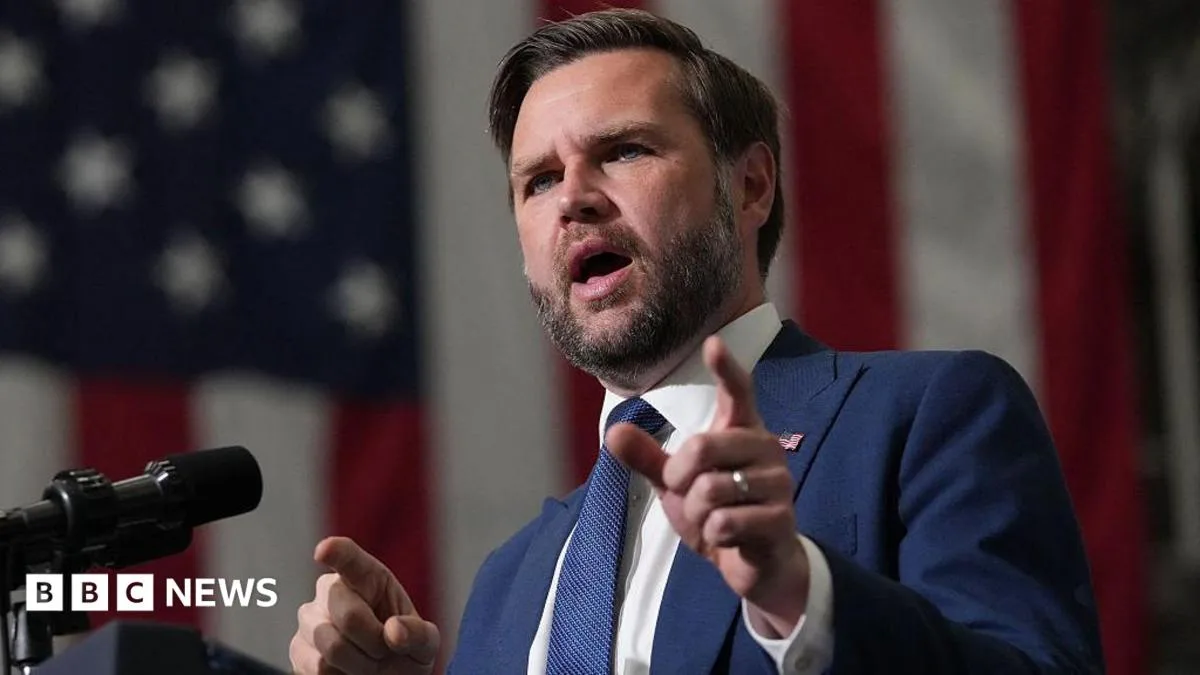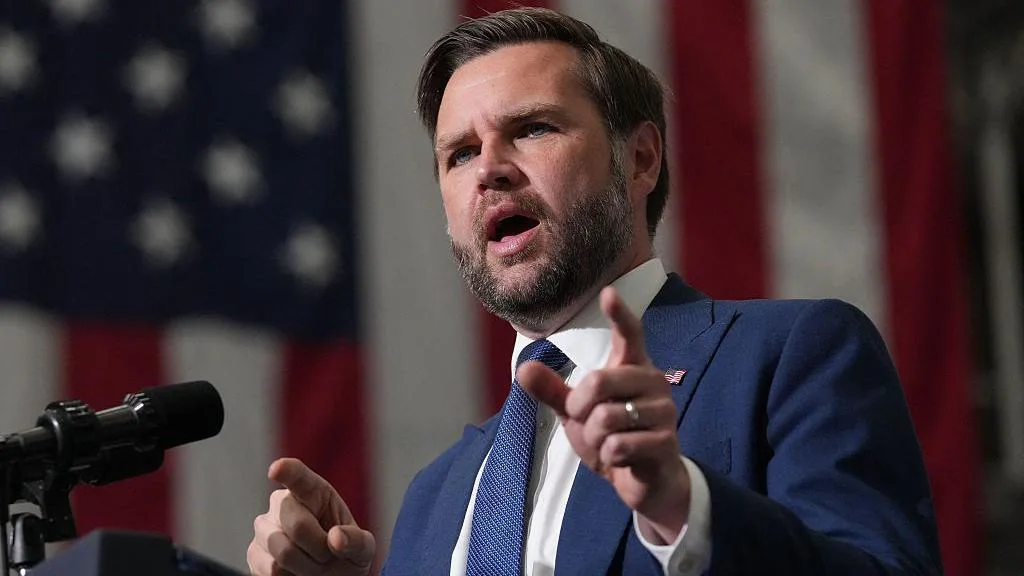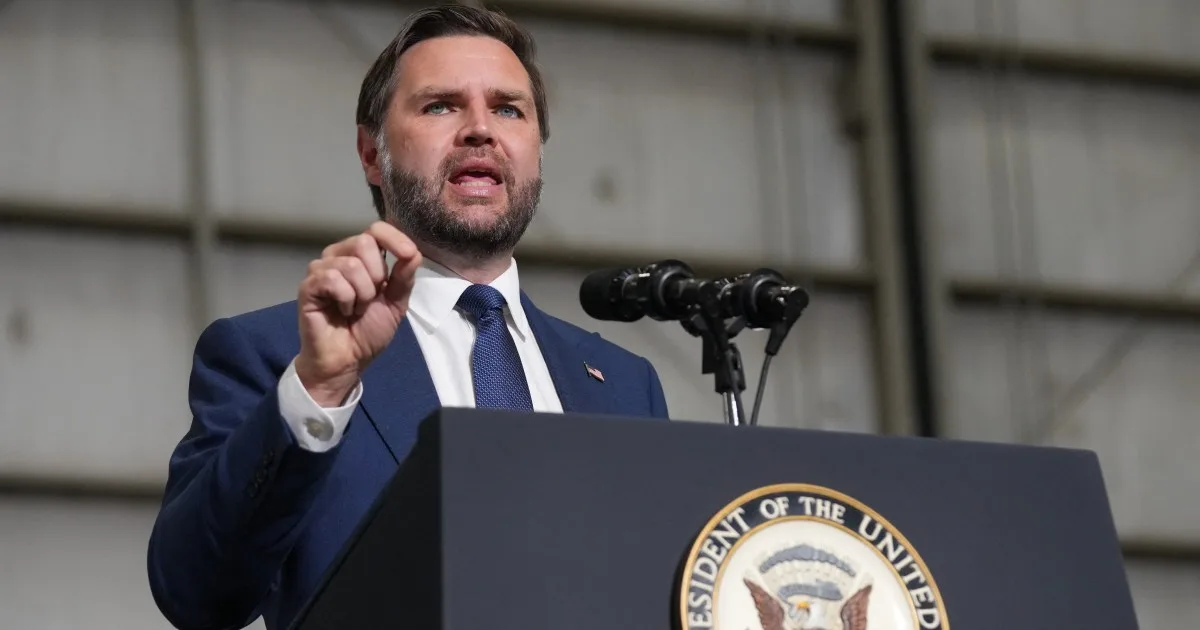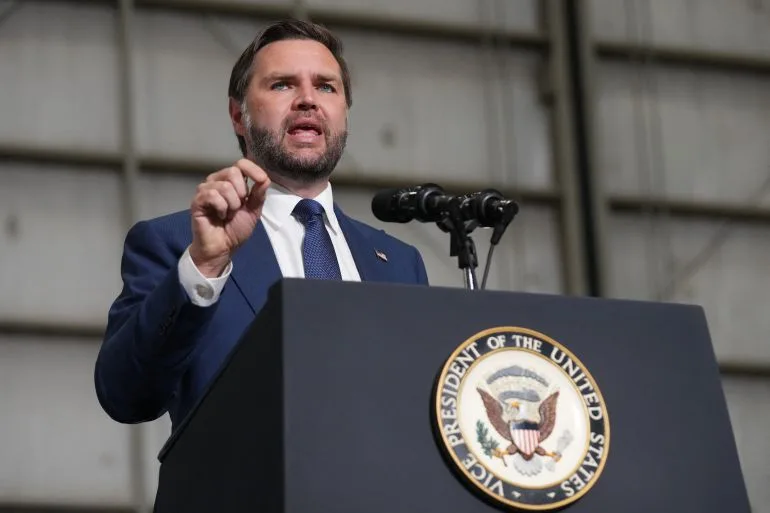
US Vice President JD Vance accused some members of the Israeli government of funding a foreign influence campaign to manipulate US public opinion and block the US-Iran war negotiations, during a July 15 interview on The Joe Rogan Experience podcast [1, 2, 3].
Vance said the campaign was well-funded and discreet, aiming to keep the war going indefinitely and opposing the US-Iran agreement reached last month [4, 1, 2, 3]. "There's a literal foreign influence campaign being funded to tank the very deal that I was pursuing," he stated [2]. He added, "I know beyond a shadow of a doubt that there have been people within the Israeli government who are trying to actually shift us away from that policy because they want to continue the military campaign" [1].
The US-Iran memorandum of understanding, signed in June in Switzerland, included a 60-day ceasefire and the reopening of the Strait of Hormuz, but tensions have recently resumed, raising doubts about the agreement's durability [4].
Vance noted he maintains good relations with some Israeli officials but criticized others for attempting to influence US policy against negotiations with Iran [4, 1, 3]. "I'm actually just the guy advocating for a normal relationship with a normal country that's based around shared interest," he said [3]. When asked about the foreign interference, Vance responded bluntly, "My response to that is: 'Well, go to hell.' I'm going to do what I have to do for the American people" [2].
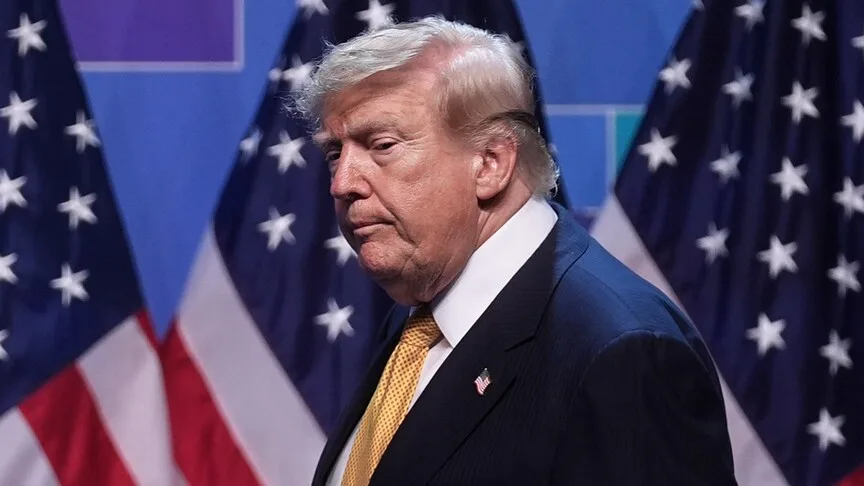
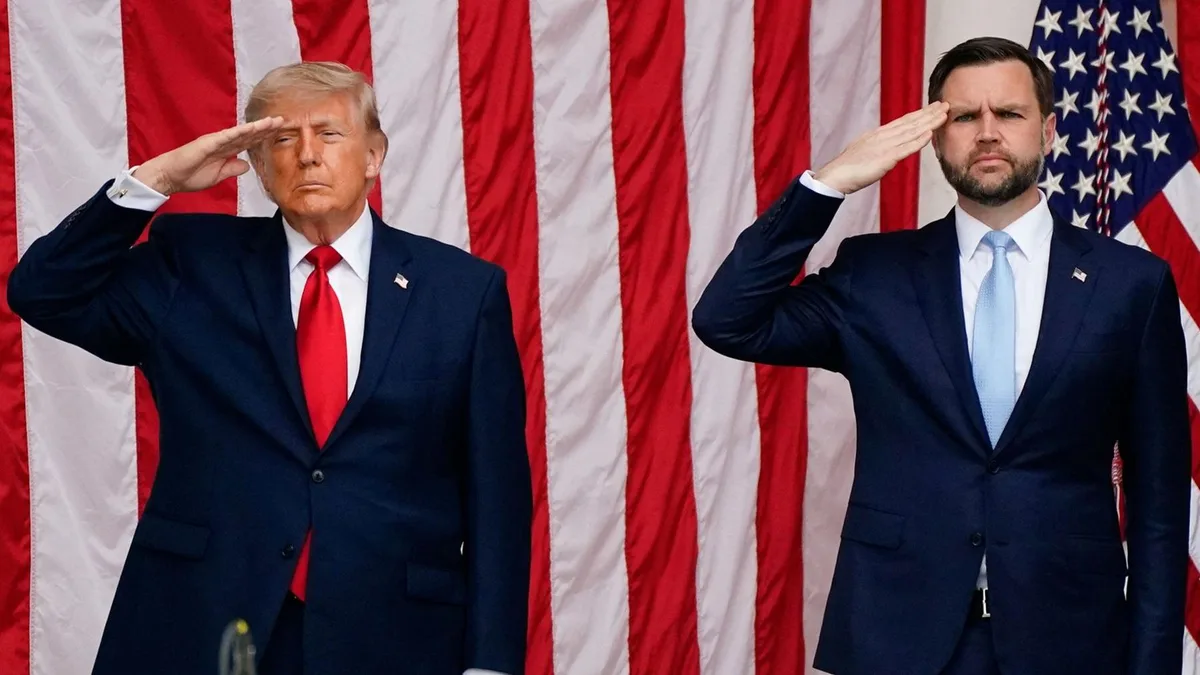
White House Press Secretary Karoline Leavitt acknowledged that foreign countries attempt to influence American public opinion. "I think the president would certainly agree that yes, foreign countries certainly do try to persuade American public opinion. There's no doubt about that. I think it's just a basic fact," she said on July 16 after Vance's comments surfaced [4, 5]. President Donald Trump reportedly agreed with this assessment [5].
Vance attended the US-Iran negotiations in Pakistan in April and traveled to Switzerland in June for the signing of the memorandum of understanding [4]. The White House confirmed the acknowledgment of foreign influence on July 16 [5].
The situation remains tense as the ceasefire expired, and diplomatic efforts face pressure from foreign political campaigns. The next key development will likely come as the Biden administration reviews how to respond to these foreign interference claims.