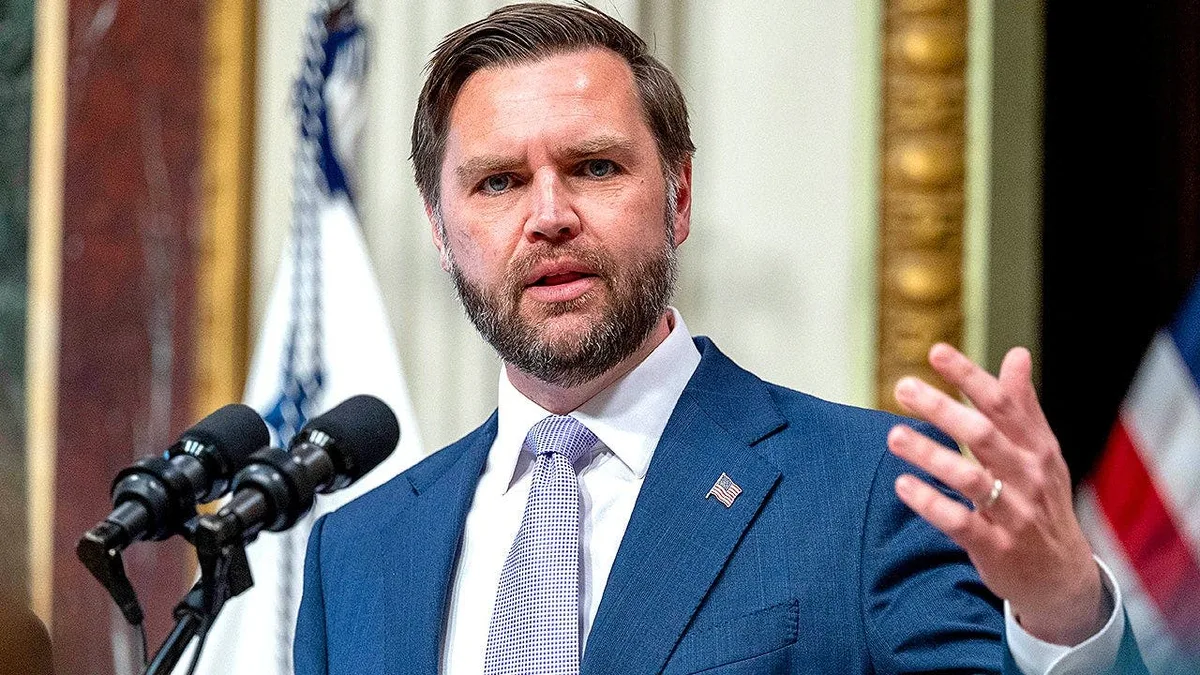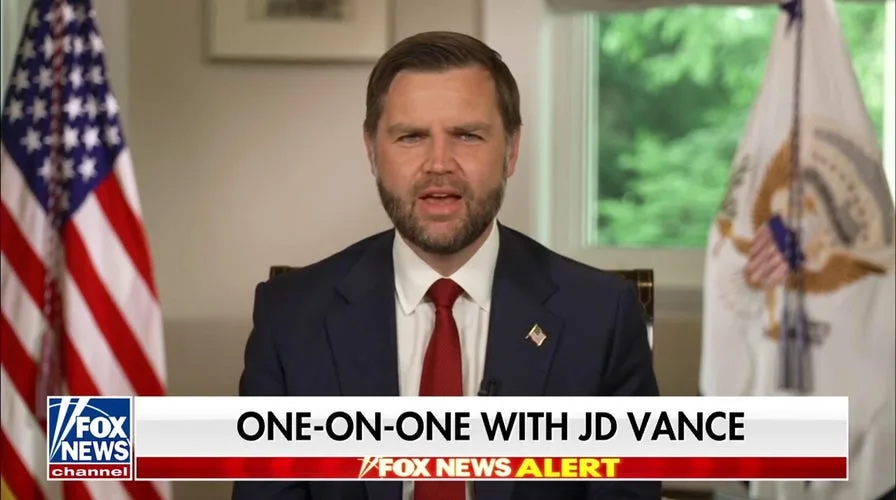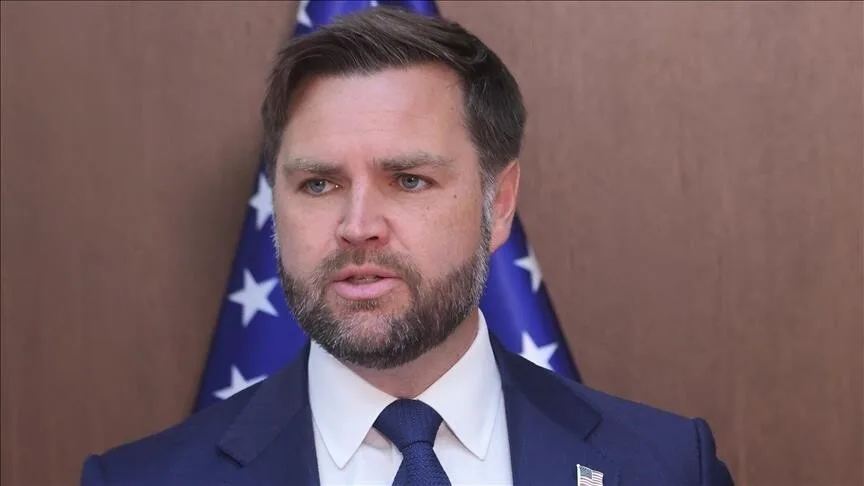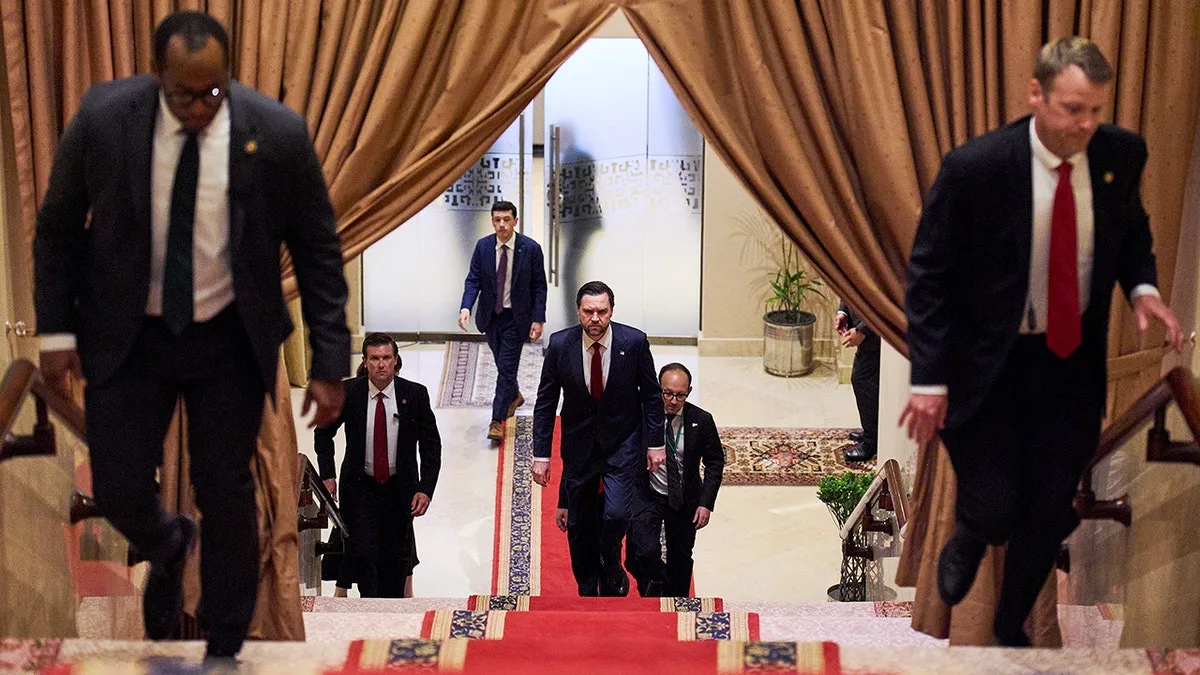
US Vice President JD Vance confirmed on August 29 that the United States will continue to pursue a nuclear deal with Iran regardless of Israeli opposition[ s1, s2]. Vance said, "Israel may like that, they may not like that, but fundamentally, we think this is in the best interest of the United States of America" [1]. He acknowledged that while the US and Israel share many interests, "we also have some situations where our interests diverge" [2].
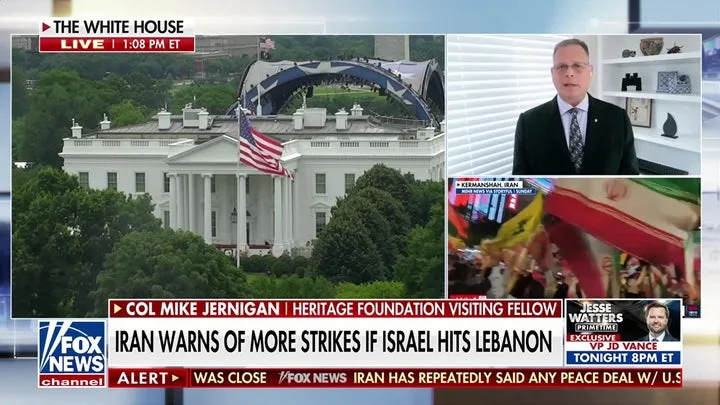
Tensions between Israel and Iran escalated sharply earlier this year after the US and Israel launched airstrikes on Iran in late February. Iranian retaliatory strikes led to a temporary ceasefire brokered by the US on April 8, but that ceasefire has largely stalled since[ s1]. More recently, violence flared when Israel bombed Beirut on June 7, prompting Iranian missile attacks on northern Israel followed by Israeli airstrikes on Iran[ s1].
Iran’s military announced a halt to attacks on Israel on June 8 but warned of a "crushing response" if Israeli strikes on Lebanon continued[ s1]. At the same time, reports indicated that Israel agreed to pause airstrikes on Iran, though it would maintain operations in southern Lebanon[ s1].
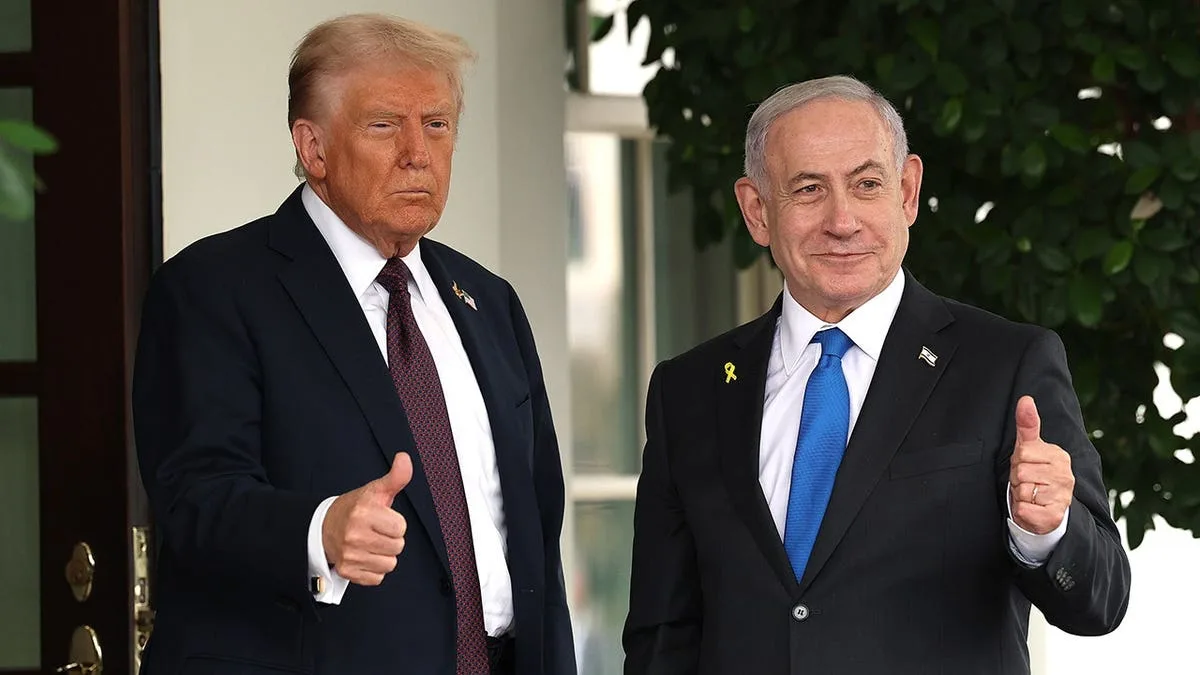
The US-Israel relationship has shown strains amid these events. President Trump reportedly demanded Israel refrain from retaliating after Iranian missile strikes, a request Israel ignored[ s1, s2]. US intelligence agencies have also raised concerns that Israel conducted surveillance on American negotiators involved in talks with Iran[ s2]. The rift was underscored by reports of Trump calling Israeli Prime Minister Netanyahu "f---ing crazy" over military actions in Lebanon[ s2].
Despite the tensions, Vance said progress is being made in negotiations with Iran. He noted, "The Iranians don't want this war to continue. It's not in their best interest, and I think they're coming to the table, putting some real things on the table"[ s2].
The recent exchange of hostilities began with the US-Israel airstrikes on Iran in late February, triggering retaliations leading up to the ceasefire on April 8 and reopening hostilities in June[ s1]. Vice President Vance’s statement on June 9 reinforced Washington’s commitment to the diplomatic track alongside continued military vigilance[ s1, s2].