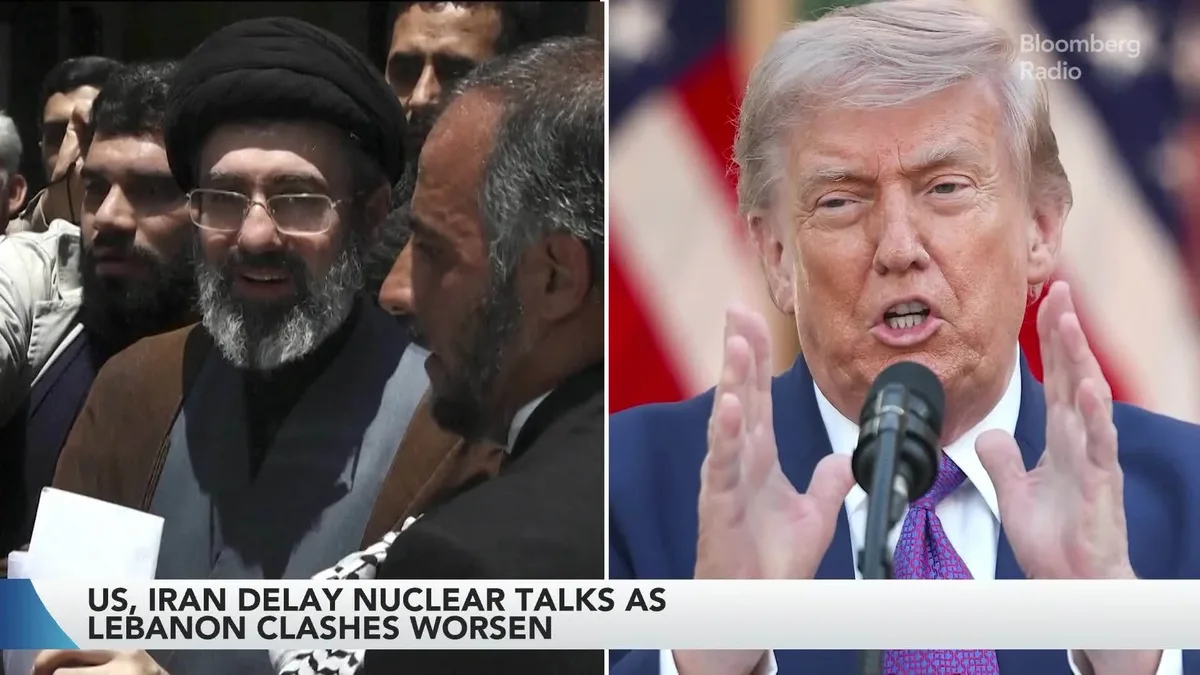
The United States and Iran postponed their planned negotiations in Switzerland on June 19-20, 2026, which aimed to finalize a permanent peace deal and restrict Iran's nuclear program, citing rising violence in southern Lebanon between Israeli forces and Hezbollah militants backed by Iran [1, 2, 3, 4, 5, 6].
The postponement was directly linked to ongoing clashes in southern Lebanon, where Israeli military strikes overnight reportedly killed at least 16 people amidst fighting with Hezbollah fighters [5, 6]. Iran had demanded a ceasefire in Lebanon as part of the interim peace accord signed earlier this month with the US [1, 3, 5, 6]. The accord suspended hostilities and extended the ceasefire for at least 60 days but deferred key issues including Iran’s nuclear ambitions and support for regional militant groups to future discussions [7, 8, 9, 6].
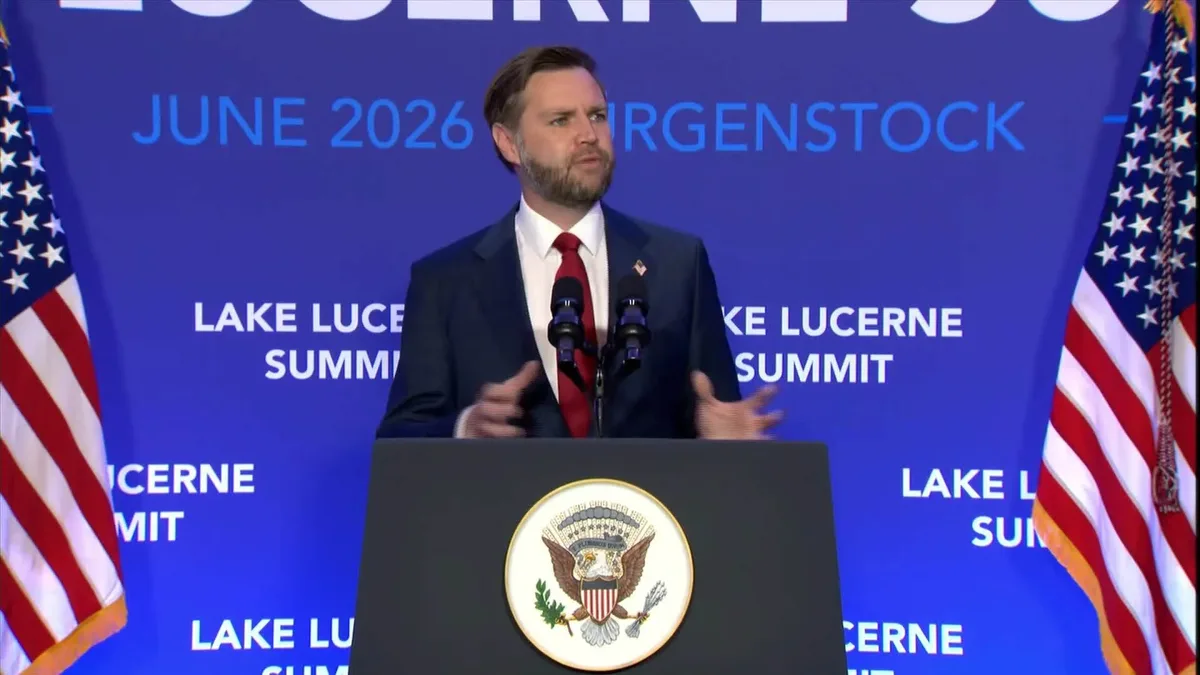
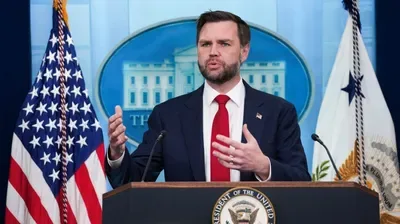
US Vice President JD Vance, who was expected to head the American delegation, postponed his trip to Switzerland due to the worsening clashes [10, 2, 7, 8, 4, 6]. Despite the delay, US officials said the delegation remains ready to travel at the earliest opportunity, acknowledging the "logistics of these negotiations have never been simple or predictable," according to a White House spokesperson [2, 7, 4, 6].
President Donald Trump and Iranian leaders signed the 14-point interim memorandum of understanding on June 17, which laid the groundwork for peace talks by suspending conflict for 60 days but left core nuclear and regional proxy issues unresolved [7, 8, 9, 6]. The US lifted its naval blockade of Iranian ports and Iran signaled reopening the strategic Strait of Hormuz following the interim deal, though these points carry medium confidence [4, 5, 6].
Israel, which is not a party to the US-Iran talks, has continued military operations against Hezbollah in southern Lebanon, complicating the regional situation [7, 5, 6]. The number of fatalities in related regional conflicts has reached at least 7,000 so far [7].
JD Vance framed the negotiations as crucial to his political future and warned that without behavioral change from Iran, "their military and their nuclear program is still destroyed," but with change a "transformative relationship" could be possible between the Middle East and Iran [8, 9]. After recent Swiss talks, Vance said the sides had "laid a very good foundation for a successful final deal" [10]. However, Iran's Supreme Leader Ayatollah Mojtaba Khamenei criticized the interim agreement, saying Trump signed it "out of desperation" [7, 11], while some Republican allies questioned whether Trump conceded too much [7].
Disagreements remain over the need for a formal signing ceremony for the deal in Geneva; US officials planned one, but Iran’s foreign ministry said it was unnecessary since presidents already signed on June 17 [7].
US-Iran negotiations remain complex and unpredictable due to political disagreements and regional violence [2, 7, 4, 5, 6]. The next round of talks is expected once conditions stabilize enough to resume discussions safely.