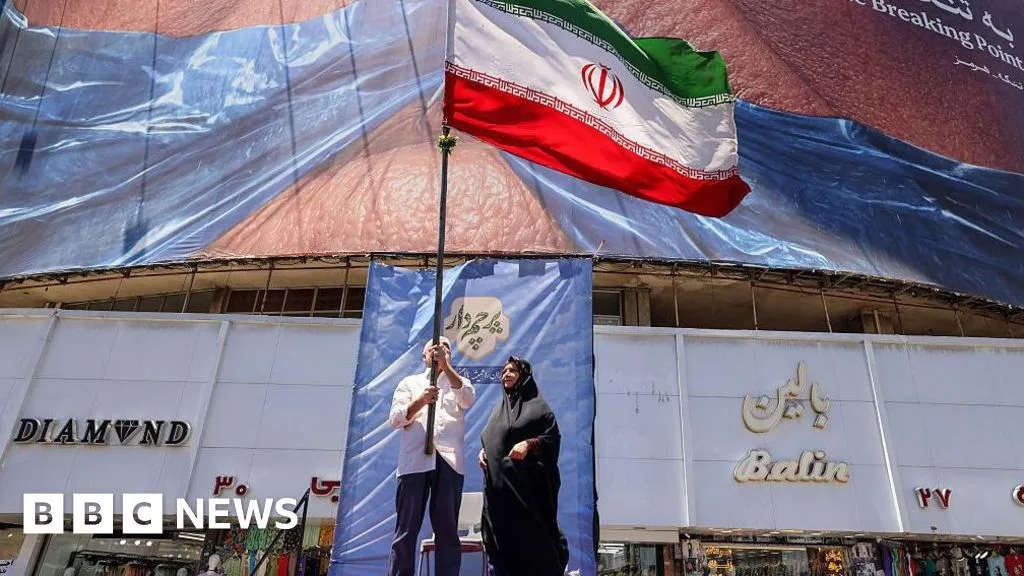
US and Iranian negotiators have reached a tentative agreement to extend their ceasefire by 60 days and start negotiations on Iran's nuclear program, sources said this week [1, 2, 3, 4]. The potential deal also includes reopening the Strait of Hormuz for unrestricted shipping, a vital route that handles 20% of the world's oil and LNG exports [1, 3, 4, 5].
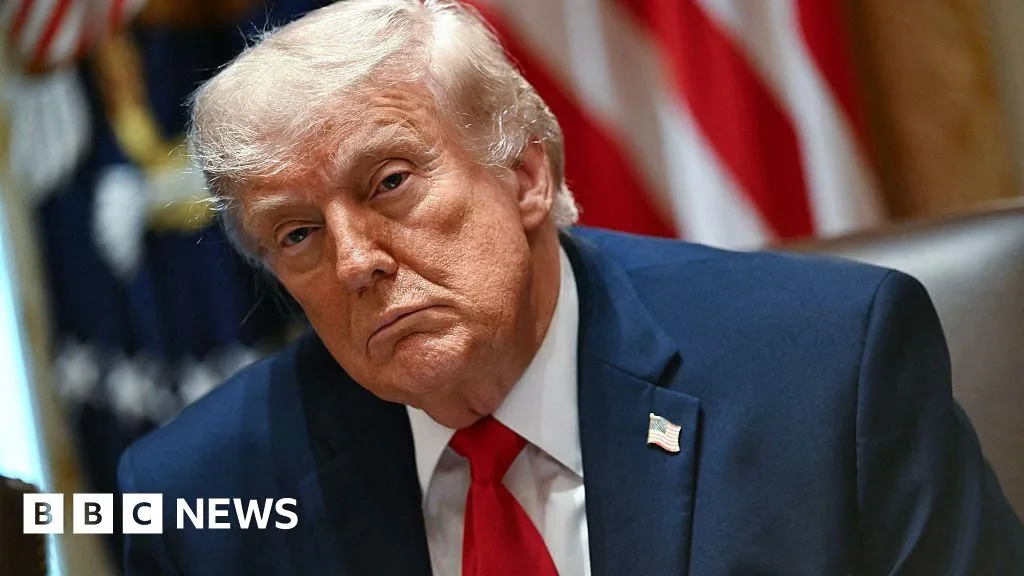
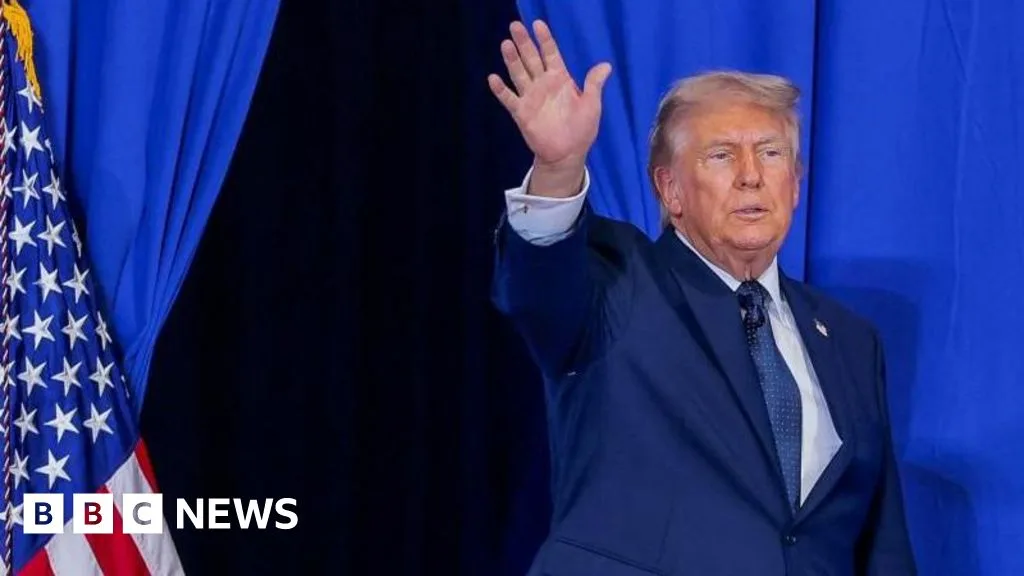
President Donald Trump met in the Situation Room last week to make a "final determination" on the deal, instructing negotiators not to rush. Trump said, "I will only sign a deal where we get everything we want. We're going to have a deal, or we're going have a situation where no country will ever be hit as hard as they're about to be hit" [3, 5, 2]. He stressed, "Both sides must take their time and get it right. There can be no mistakes!" [3].
Iran's foreign ministry, however, said nuclear weapons are not part of the initial proposals and denied negotiating on the nuclear program as part of the talks. Spokesperson Esmail Baqaei said the US and Iranian positions are converging but key agreements remain unresolved [2, 5]. This contrasts with US officials who indicate the framework includes actual nuclear discussions [1, 3].
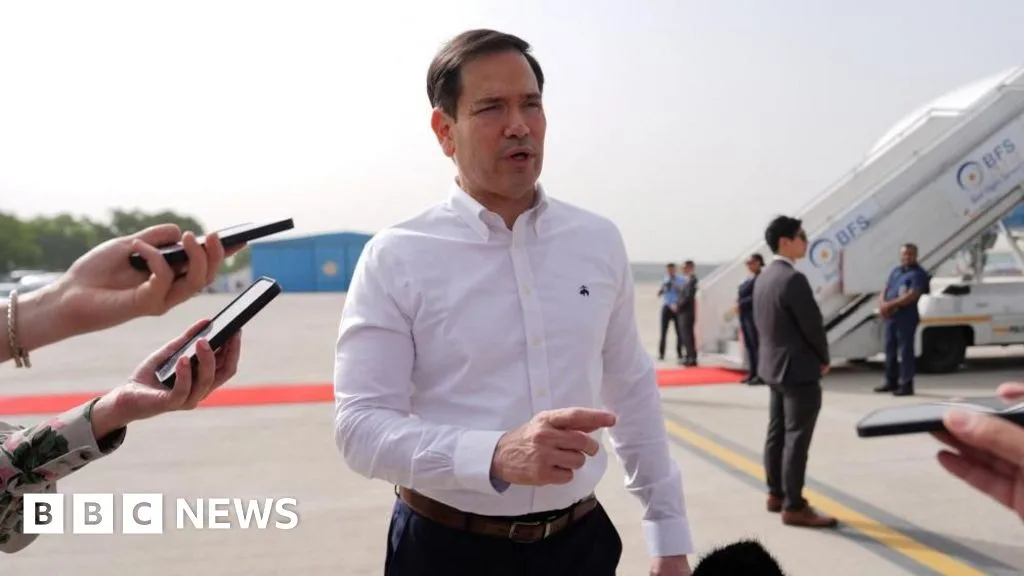
US Secretary of State Marco Rubio called the progress "slight" but acknowledged a "pretty solid thing on the table" regarding reopening the Straits [6, 4]. Rubio noted major sticking points remain over both the Strait of Hormuz and Iran's nuclear program [6, 4, 2, 3]. Meanwhile, US Vice President JD Vance said "We've made a lot of progress" but reaffirmed preventing Iran from obtaining a nuclear weapon remains the core US goal. He added, "This is not a forever war. We're going to take care of business and come home" [7, 8, 9].
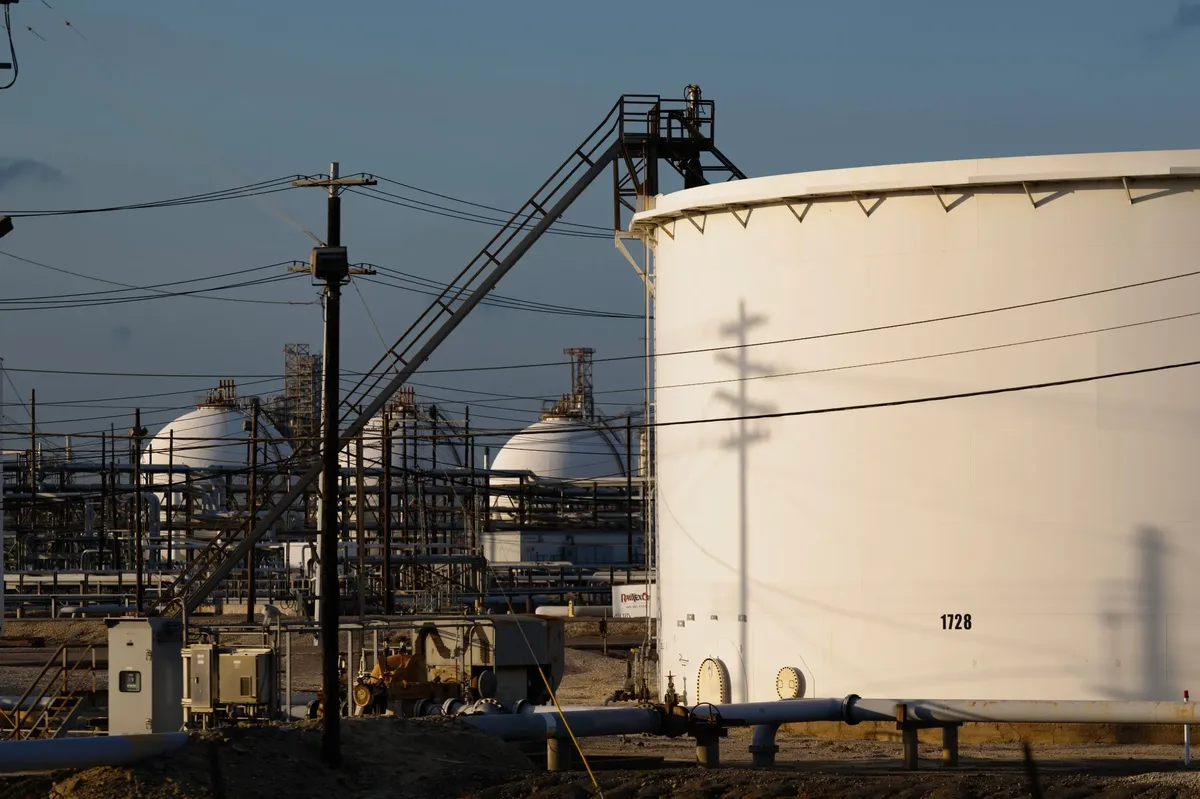
The ceasefire, first put into effect on April 8, followed a series of military escalations including Israeli and US air strikes in late February and Iranian drone and missile retaliations [3, 1, 1, 10]. Tensions flared anew in late May with US strikes on Iranian military and drone sites near the Strait of Hormuz, causing oil prices to plunge about 5.5%, then rebound sharply to $97.83 a barrel for Brent crude [11, 10, 12]. The US-traded crude price settled near $92.22 after the strikes [10].
Iran reportedly is considering a 14-point memorandum of understanding, though no final agreement has been reached [2, 1]. Tehran also discussed with Oman the possibility of a permanent toll system in the Strait of Hormuz, which the US rejects to maintain free passage [6].
The tentative deal awaits final approval by President Trump and Iranian leadership [1, 4]. Trump has ruled out releasing funds to Iran "until further notice," saying other lesser issues have been agreed upon [5].
The next step hinges on decisions by both governments and any agreement to concrete terms on the Strait of Hormuz and nuclear limits. Talks continue amid ongoing uncertainty over ceasefire compliance and regional security.