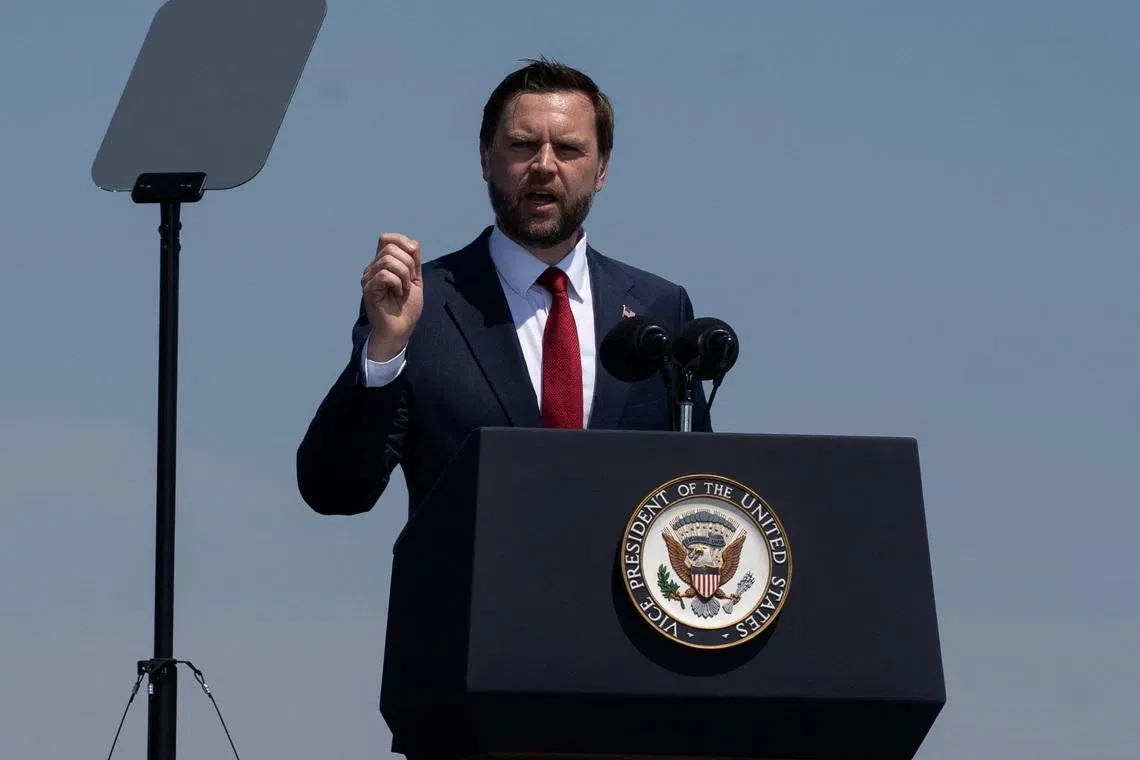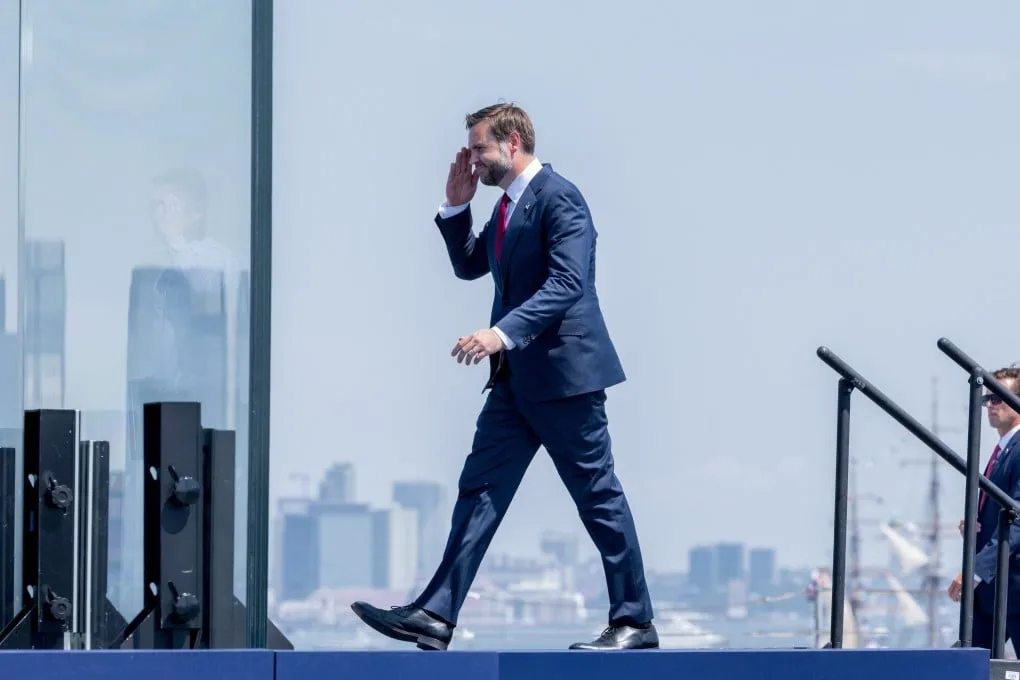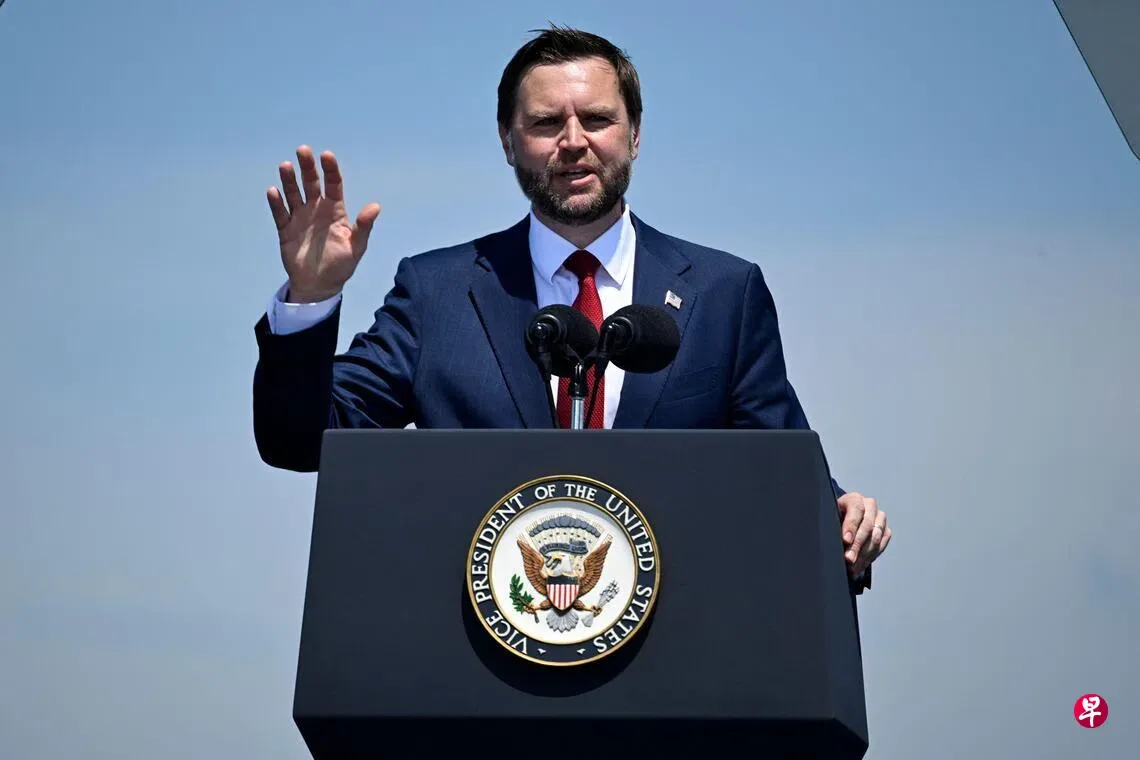
US Vice President J.D. Vance said Britain has been "failed by its leadership for a long time" and warned that the frequent changes in UK prime ministers show deep political problems [1, 2, 3, 4, 5]. Speaking in an interview with the Sunday Times on July 4, Vance highlighted that the UK has seen six prime ministers in recent years and is about to appoint its seventh in a decade, following Prime Minister Keir Starmer's resignation last month after two years in office [1, 2, 3, 4, 5]. "What I see is six prime ministers in the last few years. What that says to me is that something is very broken about British politics and that people are really crying out for significant structural change," Vance said [1].
Lawmaker Andy Burnham is widely expected to succeed Starmer as the next UK prime minister, emerging as the sole candidate [1, 2, 3, 4, 5]. Vance expressed hope that Burnham, or whoever takes the role, can deliver the reforms voters want and restore stability. "I hope that Andy Burnham – and if not Andy Burnham, somebody else – is able to deliver it. Whoever the prime minister is figures out how to get Britain back on track," Vance said [3].
Vance has personal ties to Britain, as his wife Usha studied at the University of Cambridge. He has spoken warmly of the UK, calling it an "amazing place" with the "most amazing people in the world" outside the US [1, 2, 3].
Former US President Donald Trump weighed in on Britain's leadership turmoil, describing Starmer as "a lovely man" but criticizing his record on immigration and energy policy. Trump also labeled Burnham "extremely liberal" and suggested the next prime minister might oppose further North Sea oil and gas development, which Trump had urged Starmer to support [1, 2, 4, 5]. Trump expressed dissatisfaction with the UK government and said in March that the US-UK "special relationship is no longer what it was," lamenting "Now we are not dealing with Winston Churchill" [4].
Despite differences on foreign policy issues like Iran, Gaza, and Ukraine, the US and UK continue to maintain a functional special relationship focused on trade and investment ties [1, 2].
Keir Starmer announced his resignation in June 2026. The UK is preparing to appoint its seventh prime minister in 10 years as Andy Burnham positions to assume the role, with expectations that the new leader will steer efforts to address the political instability Vance described [1, 2, 3, 4, 5].