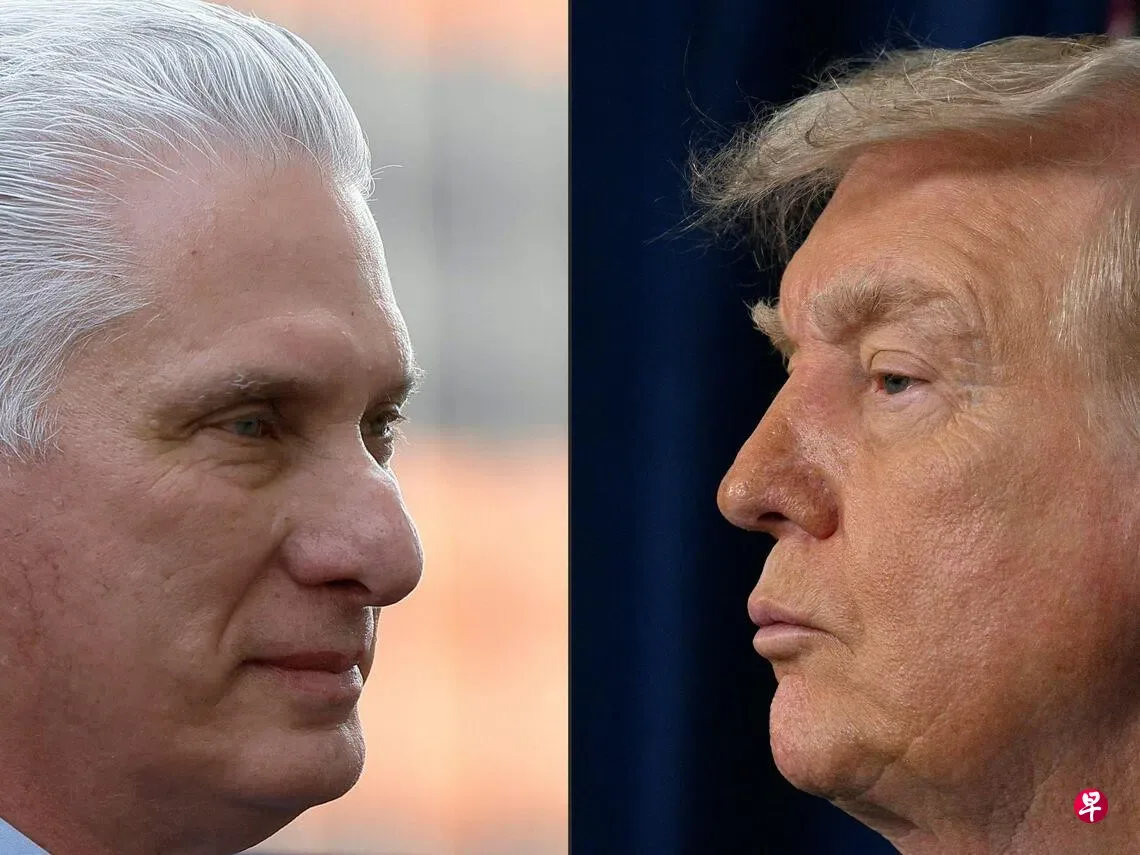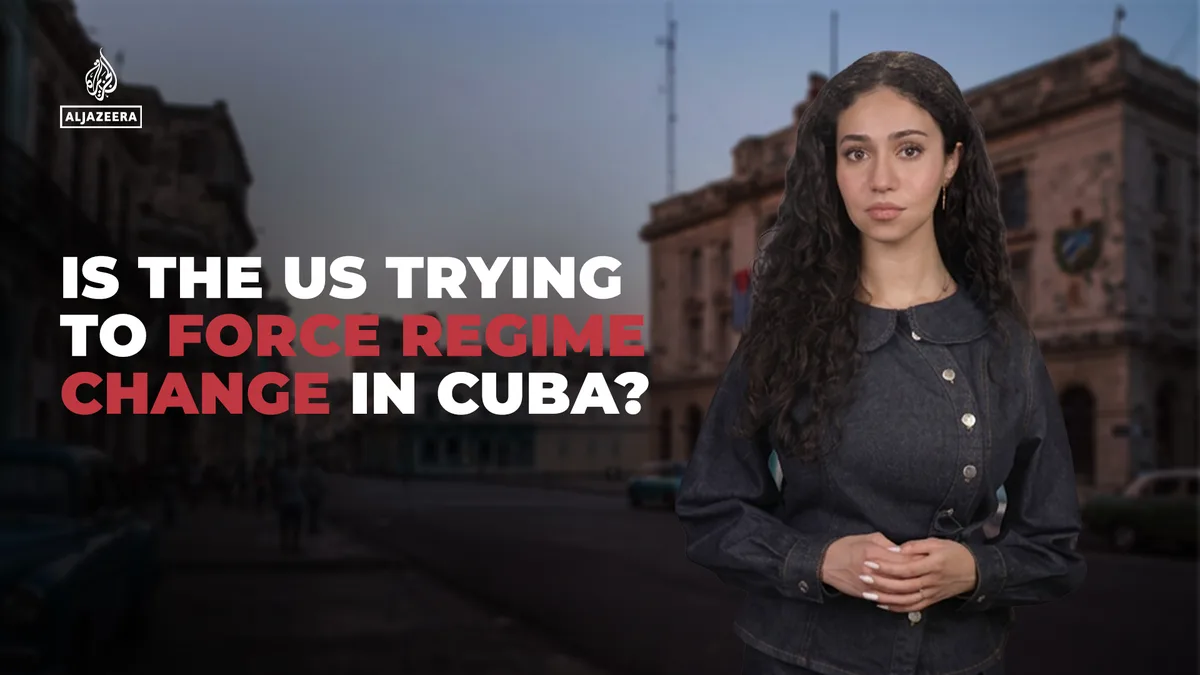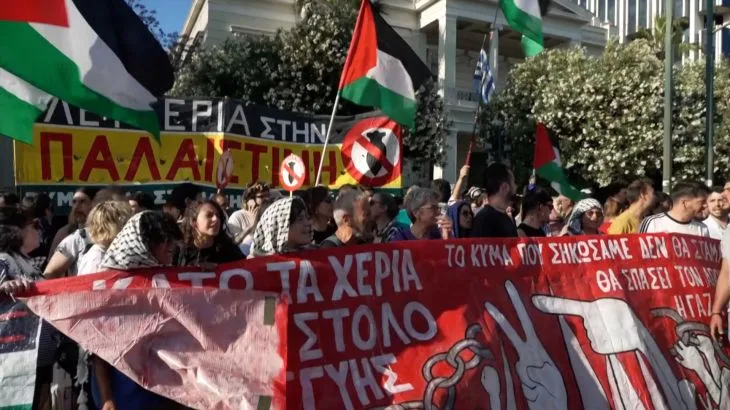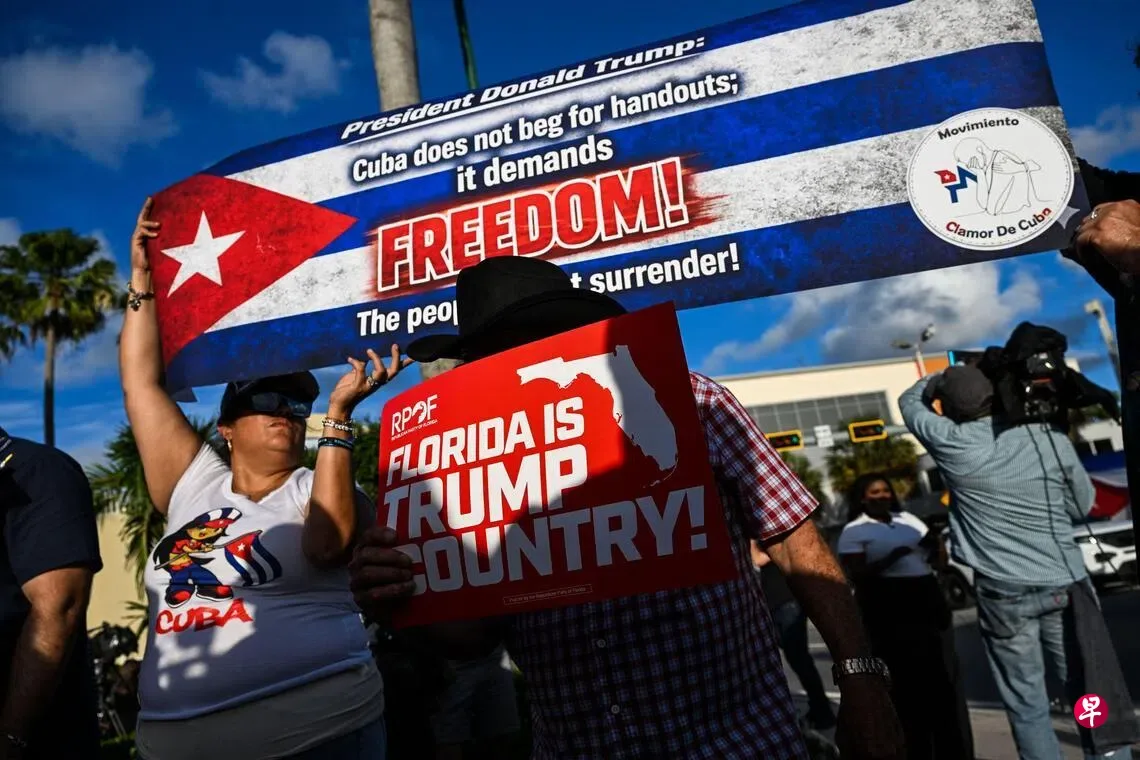
US President Donald Trump and senior officials have become frustrated as sanctions and economic pressures on Cuba since January 29, 2026, failed to produce the desired political results, prompting consideration of more serious military options against the island nation [1, 2]. The US Southern Command and other military branches have begun drafting plans that include possible airstrikes and ground invasions, but no final decision to launch these operations has been taken yet. An unnamed White House official said, "The Pentagon's role is to be prepared to give the commander-in-chief the widest range of options. But that does not mean the president has made a decision" [1].
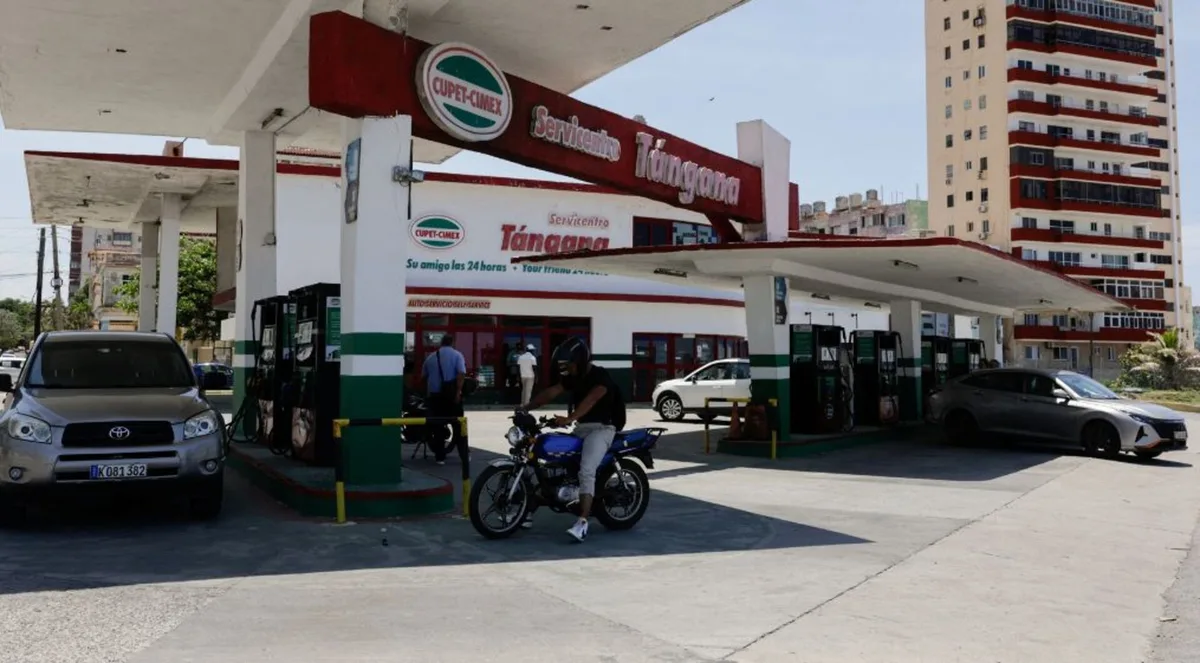
US intelligence and Pentagon analysts are assessing potential Cuban responses to military action, including how Cuba’s government and its allies might react [3, 4, 5]. This analysis follows surveillance of a sanctioned Russian-flagged oil tanker, Universal, en route to Cuba, raising concerns over strategic fuel supplies and possible retaliation [3, 4, 5]. The US imposed expanded sanctions this year targeting Cuba’s military, intelligence officials, fuel shipments, and shipping channels, which have created a severe fuel shortage and widespread electricity blackouts across the island [1, 3, 6, 7, 2, 4]. Cuban authorities confirmed the country has completely run out of fuel oil and diesel, leaving the national electricity grid in critical condition without reserves [6, 2, 4].
The US Justice Department announced criminal charges against former Cuban leader Raul Castro related to a 1996 plane shootdown, accusing him of murder and terrorism. Cuba condemned the indictments as politically motivated and without legal basis. Cuban President Miguel Diaz-Canel dismissed US accusations as fabrications intended to justify military aggression. He said, "This further confirms their fabrication of facts to find an excuse to launch military aggression against Cuba" [3, 4]. Diaz-Canel also stated the humanitarian crisis would be easier to solve by lifting the embargo, calling the current suffering "coldly calculated and induced" [2].
Reports suggest Cuba possesses over 300 military drones and has explored plans to use them against the US naval base at Guantanamo Bay if conflict breaks out [4, 5]. Despite the tension and indictments, President Trump downplayed chances of escalation or military conflict, stating, "No, there won't be escalation. I don't think there needs to be" [3, 4].
The US has also proposed $100 million in aid to Cuba conditioned on political reforms and economic opening. Cuba rejected the offer, demanding an end to the US embargo instead [3, 7, 2].
On May 14, CIA Director John Ratcliffe held rare talks in Cuba with Cuban intelligence officials and Raul Castro's grandson in an attempt to gauge the situation [4, 5]. By May 18 and 20, media reported increased US military and intelligence planning and analysis of potential action and Cuban responses [1, 3, 6, 7, 2, 4, 5]. The indictment of Raul Castro was announced on May 20 [3, 4].
No further meetings or decisions have been publicly scheduled, leaving US military planners in preparation mode amid mounting tensions.