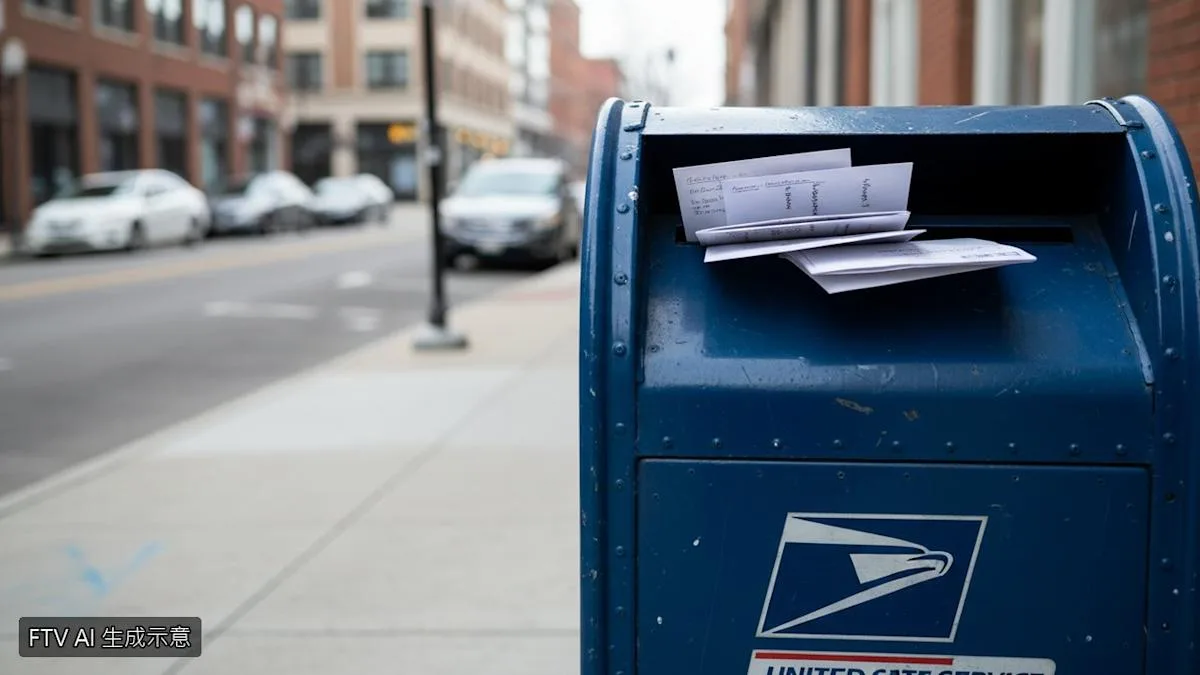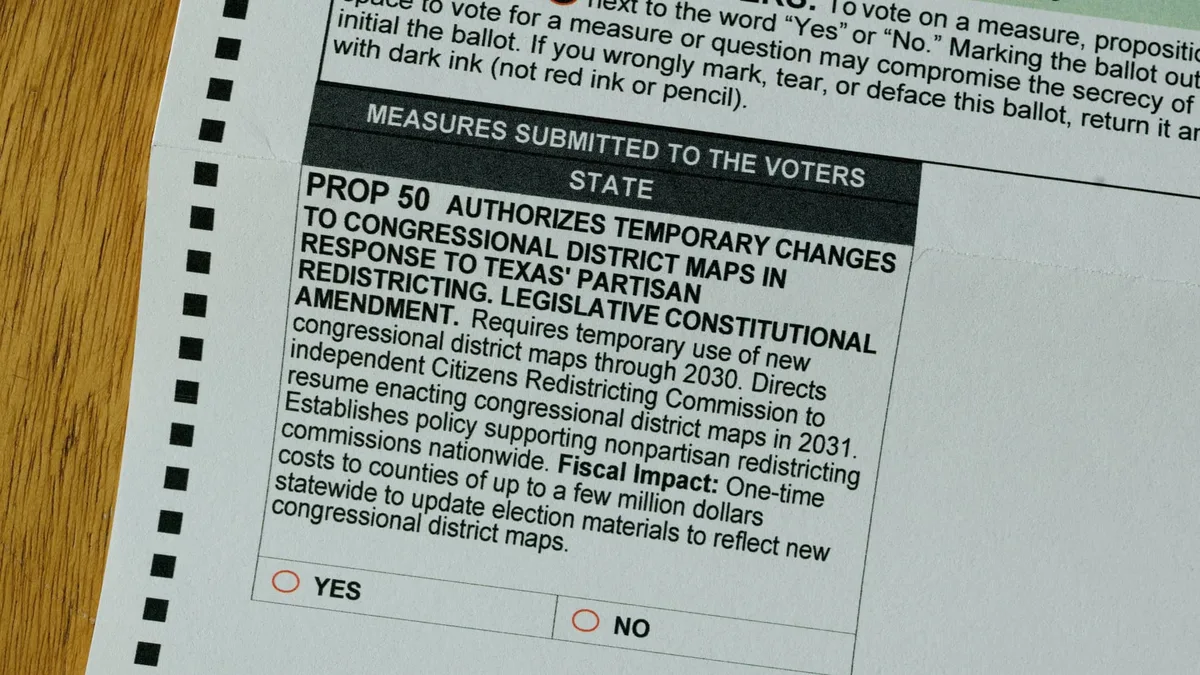
The U.S. Postal Service (USPS) proposed new rules requiring states to provide names and addresses of voters who receive mail-in or absentee ballots along with unique barcodes tied to each voter's ballots for federal elections. The rule aims to help USPS determine how many ballots were mailed and returned to identify issues for investigation [1, 2].
The proposal covers general, special, and runoff federal elections but excludes primaries and military or overseas ballots. It was published in the Federal Register on June 2, 2026, with a 30-day public comment period following the publication date [1].
Under the proposal, USPS would create state-specific "Mail-In and Absentee Participation Lists" using the data via a Federal Ballot Mail Portal. The rule would allow USPS to return outbound federal ballot mail that does not meet the new standards or that is not tied to state voter lists [1, 2].
This rule follows an executive order signed by former President Donald Trump on March 31, 2026, directing USPS to tighten mail-in voting procedures. The Trump administration has defended the changes as necessary election-integrity measures, while Democrats have criticized them as illegal USPS involvement in elections that intrudes on state election authority [1, 2].
A federal judge, Carl Nichols, declined on May 28, 2026, to immediately block the mail-voting provisions of Trump's order, calling the legal challenge premature [1, 2]. Meanwhile, Democratic state attorneys general have initiated a lawsuit challenging the executive order, with hearings scheduled in Boston courts [2].
In March 2025, David Steiner replaced Louis DeJoy as USPS Postmaster General. Steiner warned of severe financial pressures on USPS that could lead to insolvency early in 2027 [2].
The public comment period for the new USPS proposal will end 30 days after its Federal Register publication on June 2, 2026 [1, 2].