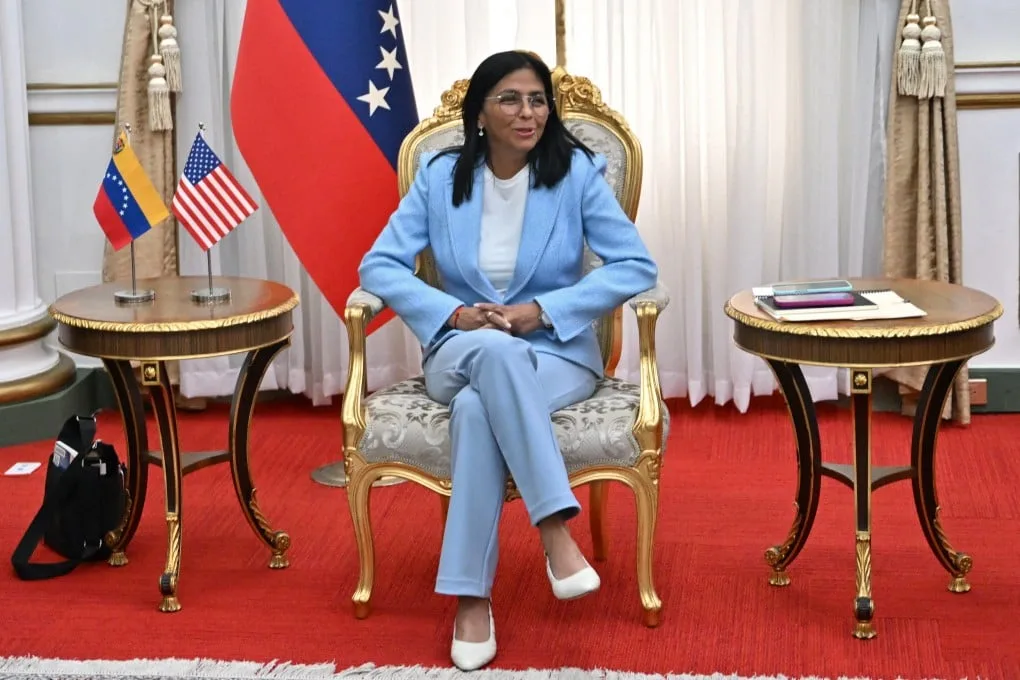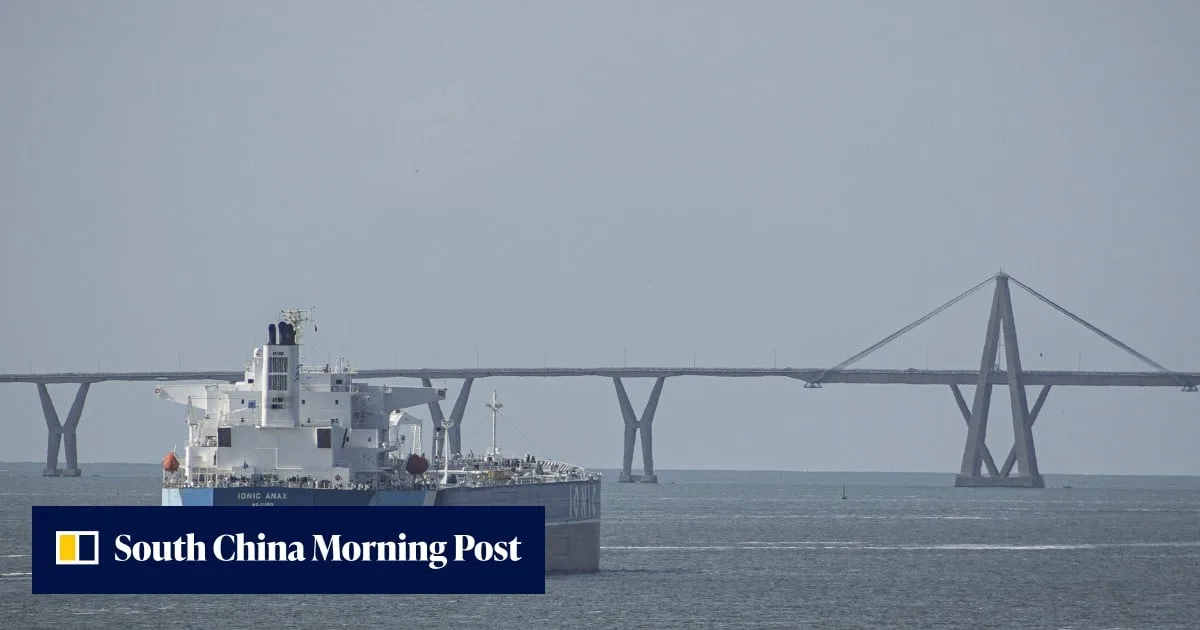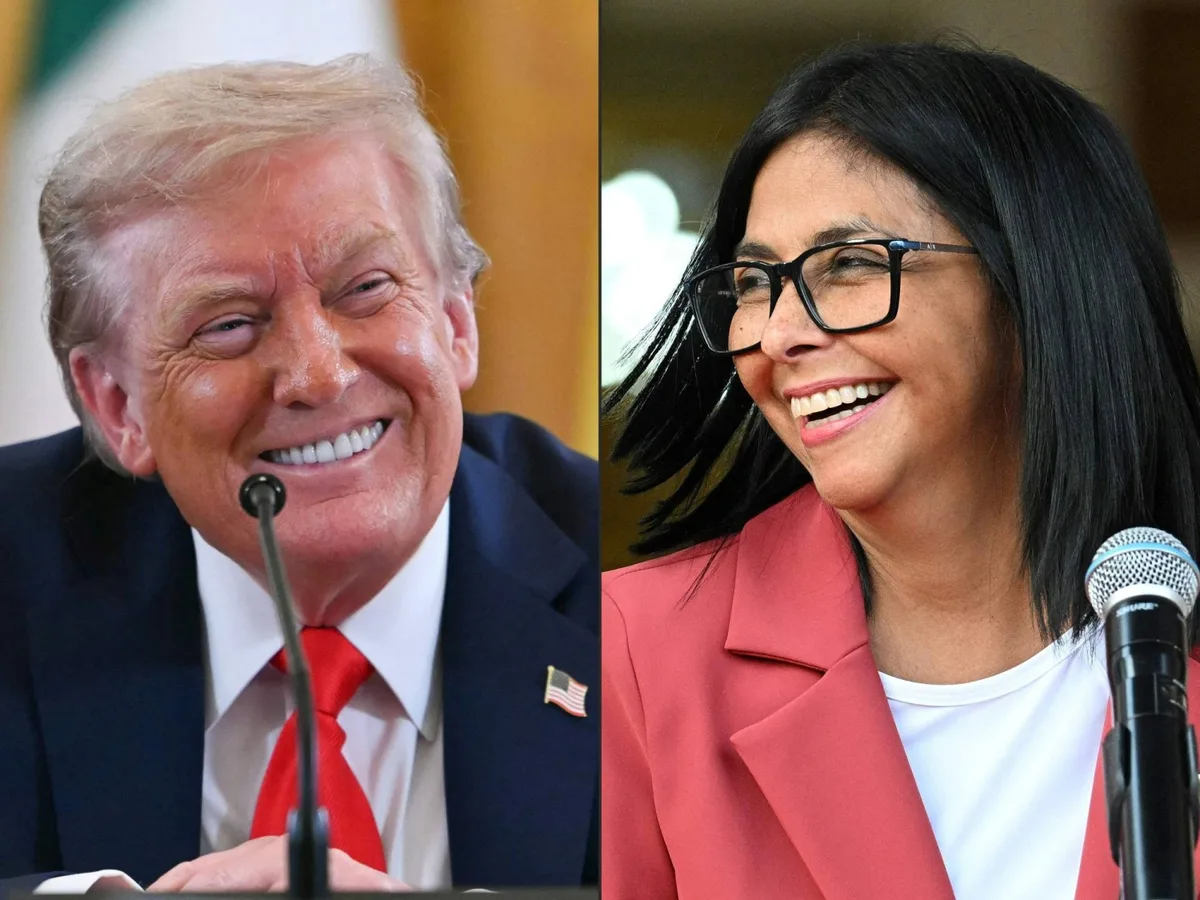
Venezuela's acting President Delcy Rodríguez agreed to grant the United States exclusive majority control over 65 billion barrels of Venezuelan crude oil, a deal announced on August 28 by former US President Donald Trump [1, 2, 3].
Trump called it "the biggest oil deal in world history" and claimed it would increase US oil supplies and substantially lower gasoline prices [3]. The announcement came Friday evening after US oil futures markets closed, raising concerns about potential market manipulation [3].
The agreement is expected to provide Venezuela approximately US$19 profit per barrel produced under the deal [1]. Rodríguez defended the deal on August 29 in televised comments, saying it would bring prosperity and jobs to Venezuela [1].
However, the agreement has sparked fierce criticism across Venezuela. Both hard-line supporters of the Chavista movement and opposition forces denounced Rodríguez for agreeing without involving opposition leaders, including María Corina Machado [1, 2]. Some commentators accused Rodríguez of conceding the country's oil under US pressure [2].
Latin America analyst Risa Grais-Targow said the deal may benefit Rodríguez by reinforcing Trump’s commitment to work with her and reducing pressure for quick elections. But she called it politically sensitive for Rodríguez due to perceptions of betraying Chavismo’s principles and national resource sovereignty [1, 2]. Grais-Targow said, "I think it can benefit Delcy to the extent that it reinforces Trump’s commitment to working with her and thus probably diminishes incentives to move quickly to a new vote... But it’s also politically challenging for Delcy given sensitivities around resource nationalism and the perception that she’s betraying Chavismo’s principles, giving away valuable resources" [2].
The deal was negotiated entirely without Venezuela’s opposition involvement [2]. It risks becoming a major political liability for Rodríguez amid accusations of national sovereignty abdication [1, 2].
The next key development will be how Venezuela’s domestic political factions respond in the coming days, as Rodríguez balances economic promises against growing opposition pressure.