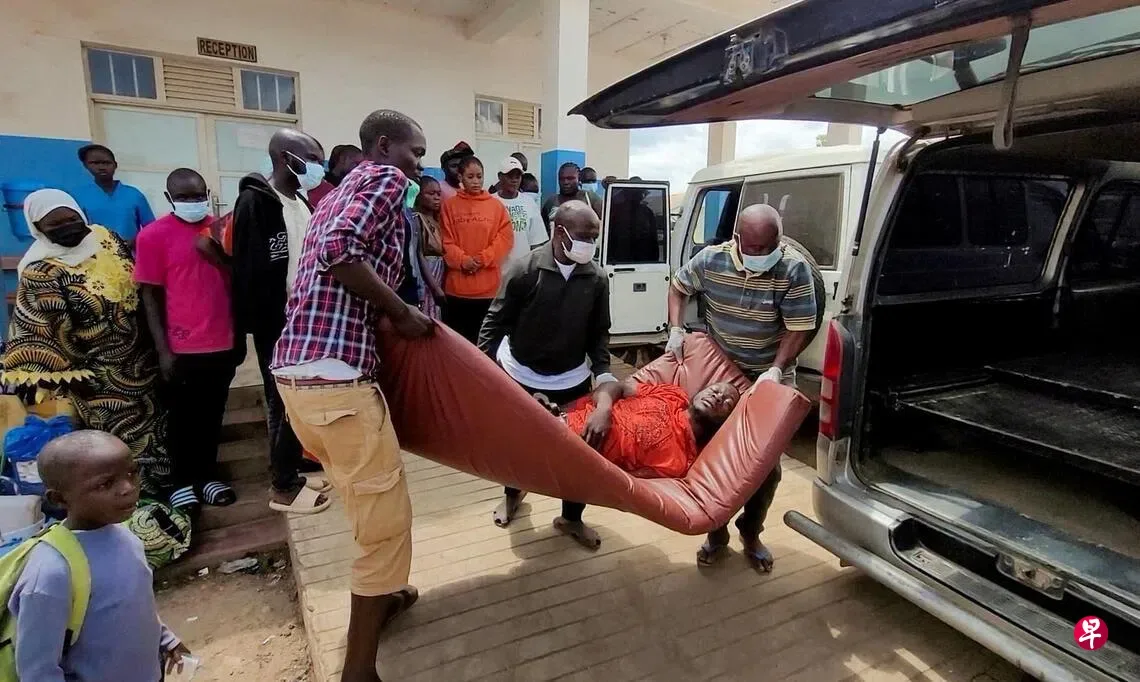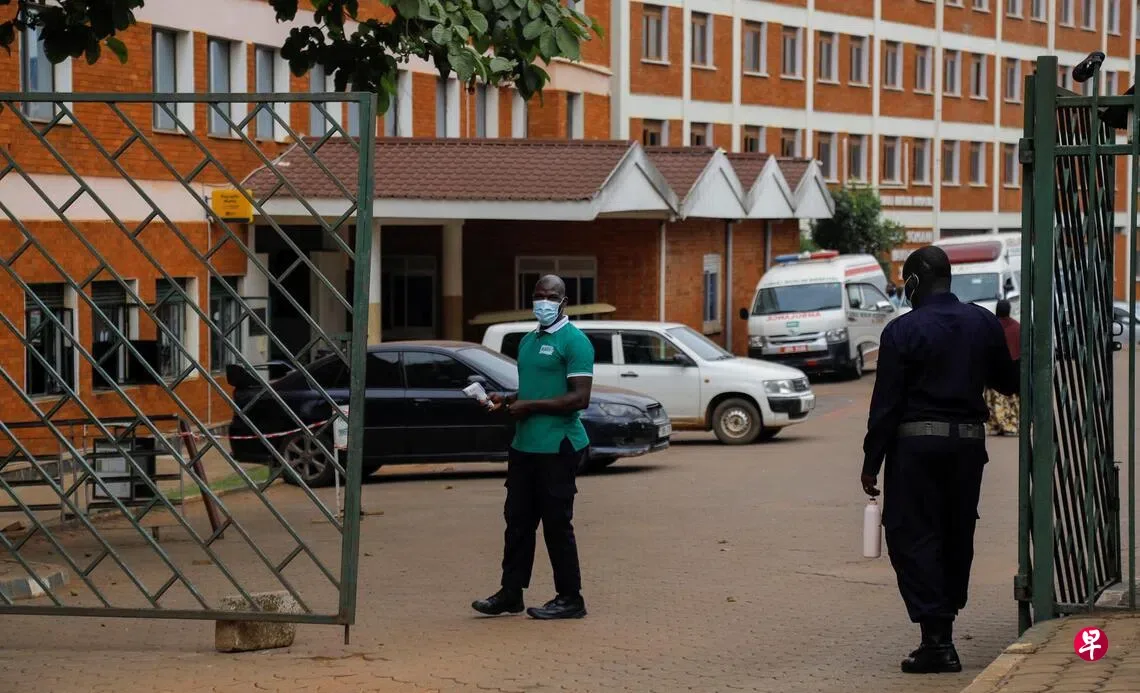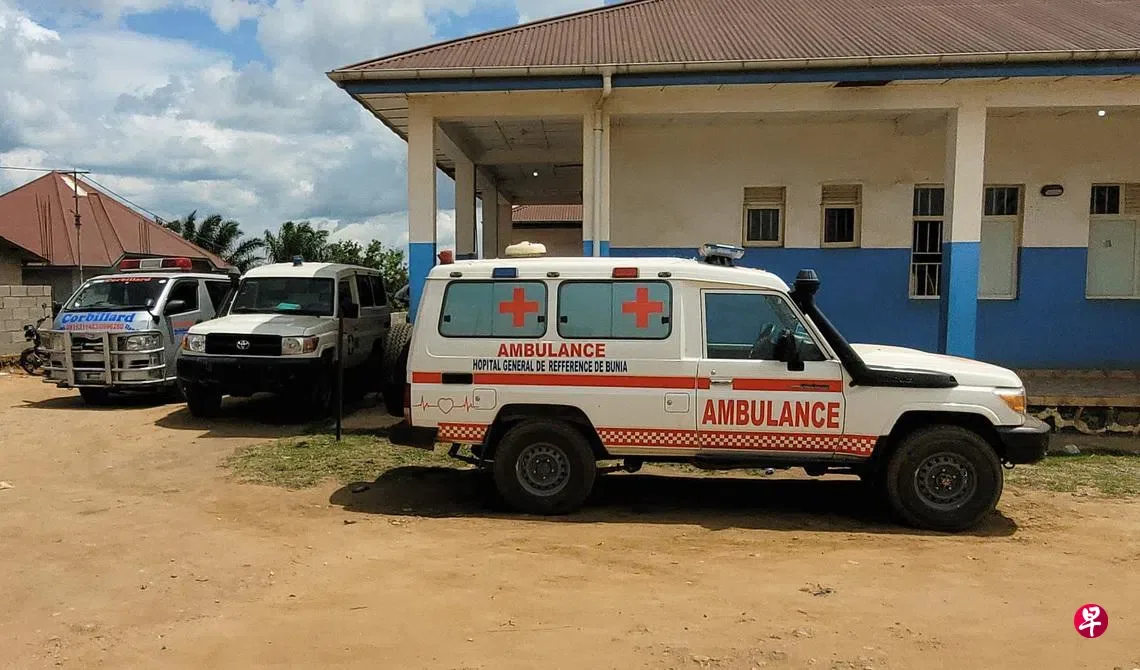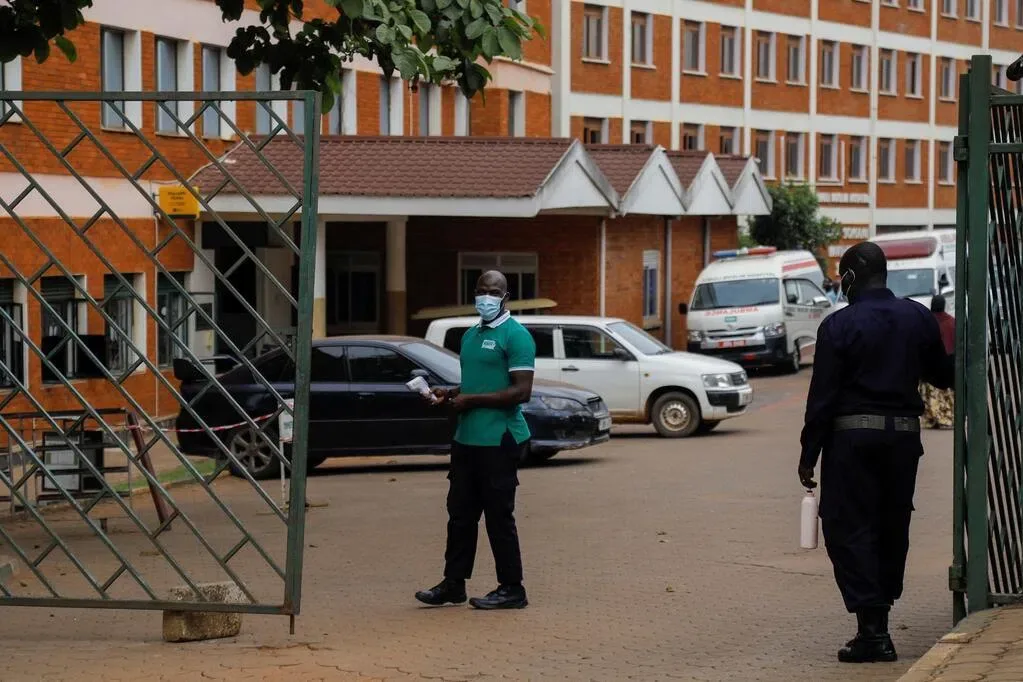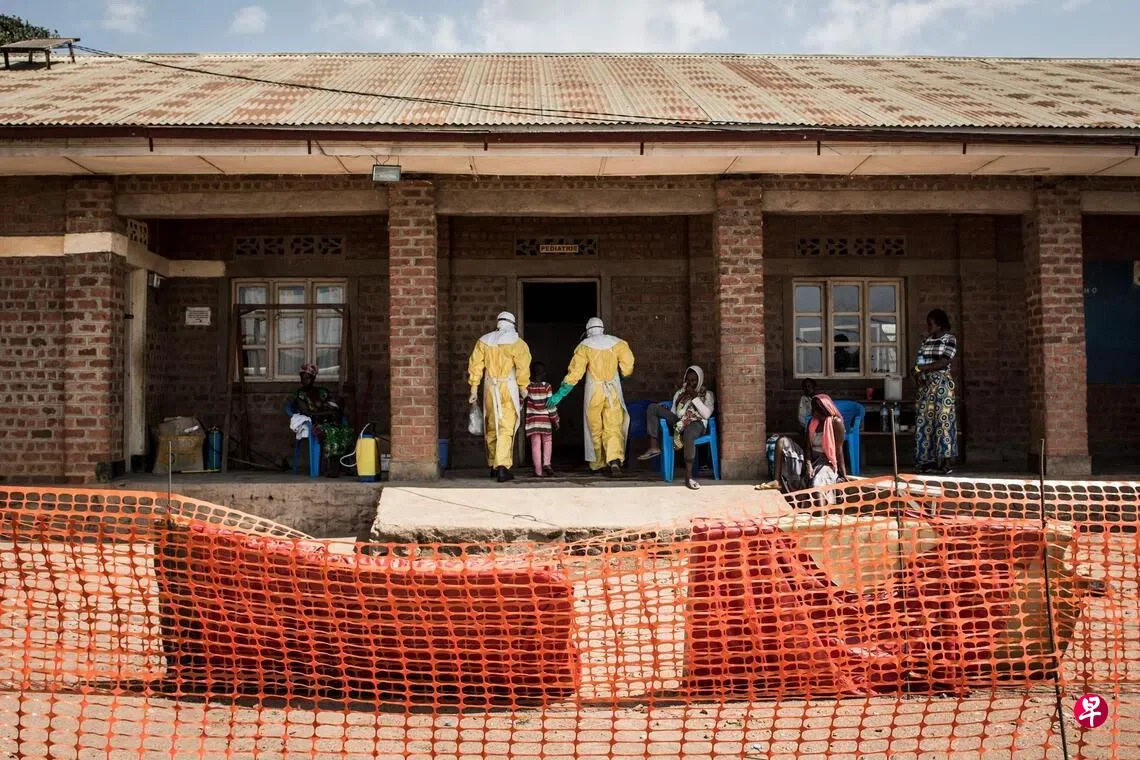
The Democratic Republic of Congo (DRC) is facing a new Ebola outbreak in the eastern Ituri province that began in early May 2026, spreading into neighboring Uganda[ s1,s3,s10,s12]. The virus strain involved is the rare Bundibugyo ebolavirus, for which no approved vaccine or specific treatment exists, according to Congo’s health minister Kangba, who said the strain has a fatality rate reaching 50% [1].
As of mid-May, suspected Ebola cases reported in DRC range between about 246 and 350, with deaths from 65 to 91, reflecting differences in reporting dates and sources [2, 1, 3, 4, 5, 6, 7]. Uganda has confirmed at least two cases, including one death, marking the outbreak’s cross-border spread [3, 4, 8, 9].
WHO declared the outbreak in both countries a Public Health Emergency of International Concern (PHEIC) on May 17, citing the rapid spread and uncertainty around total infections and geographic reach. WHO Director-General Tedros Adhanom Ghebreyesus said, "Significant uncertainty remains about the actual number of infections and their geographic distribution" [1, 3, 4, 9].
The outbreak covers urban centers complicated by insecurity, frequent population movements, and limited infection control, which experts warn increase risks. Africa CDC Director John Nkengasong stressed the urgency for regional coordination due to frequent movement between affected areas and neighboring countries [2, 3, 4, 8, 9].
Typical Ebola symptoms include fever, fatigue, vomiting, diarrhea, and bleeding, with an incubation period of 2 to 21 days [3, 8, 10, 9]. The Bundibugyo strain’s case fatality rate is estimated at 30% to 50%, though some Ebola outbreaks have seen mortality up to 90% [2, 1, 3, 4, 8, 10, 9].
The US Centers for Disease Control and Prevention (CDC) upgraded its response by deploying additional staff to affected areas, implementing enhanced airport screening, imposing travel restrictions banning non-citizens from DRC, South Sudan, and Uganda, and confirming at least one infected US citizen who was evacuated to Germany for treatment [11, 5, 6]. CDC’s incident manager, Steve Pillai, said, "The risk to the United States remains low, but Ebola can spread when symptoms appear" [11].
WHO and Africa CDC are coordinating with DRC, Uganda, South Sudan, and other international partners to strengthen surveillance, contact tracing, and infection control efforts [2, 1, 3, 4, 12, 9]. The latest outbreak marks the 17th Ebola epidemic recorded in DRC since 1976 [3, 12, 9]. WHO allocated $500,000 from its emergency fund for response activities [12].
On May 18, CDC imposed travel restrictions and confirmed an infected US citizen, demonstrating the outbreak’s growing international concern [6]. The ongoing spread and regional coordination efforts remain central in containment attempts.